

What is Cotton Fiber Powder Handling Equipment? And What Are Its Design Principles?
Shandong HeadPowder Engineering Co., Ltd. is a professional manufacturer specializing in powder handling equipment, headquartered in Shandong Province, China. The company focuses on providing efficient solutions for transporting cotton fiber and other fine powders in industrial applications. This article explores the concept of cotton fiber powder handling equipment and its underlying design principles, highlighting how these systems ensure reliable and safe material transport.
Understanding Cotton Fiber Powder Handling Equipment
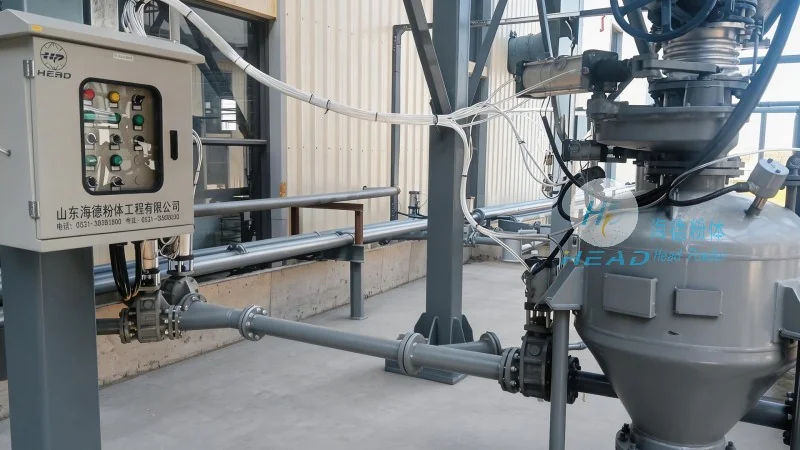
Cotton fiber powder handling equipment is a specialized system designed to transport cotton fiber and other fine powders from one location to another within industrial processes. These systems are crucial for maintaining the continuity of production lines, especially in industries such as textile manufacturing, paper production, and chemical processing. The primary goal of such equipment is to move the material efficiently while minimizing issues like dust dispersion, material loss, and operational disruptions. By employing advanced engineering solutions, these devices ensure that cotton fiber, which is lightweight and prone to dispersion, can be handled safely and effectively.
Key Design Principles for Cotton Fiber Powder Handling Equipment
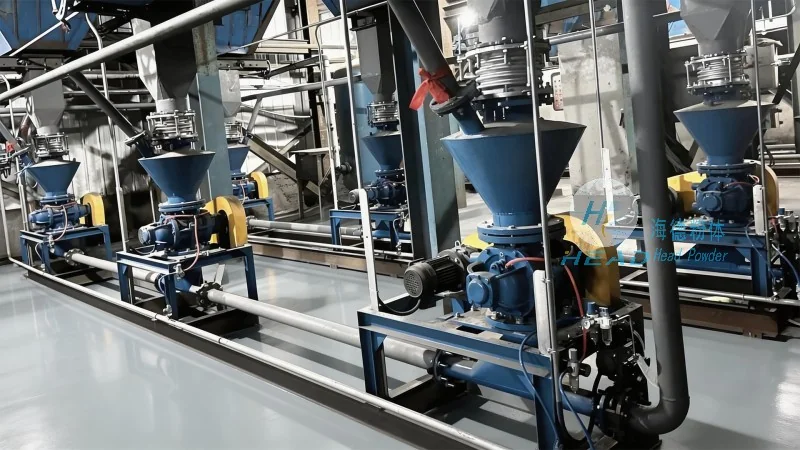
The design of cotton fiber powder handling equipment is guided by several critical principles that address the unique properties of cotton fiber. First, the equipment must be capable of handling lightweight, fine particles without causing excessive dust generation. This is achieved through the use of enclosed systems, which contain the material throughout the transport process. Second, the design considers the material's tendency to adhere to surfaces or form clumps, requiring features like anti-adhesion coatings on internal components and appropriate agitation mechanisms to maintain a free-flowing state. Third, the system is engineered to minimize energy consumption while ensuring high throughput, balancing performance with operational efficiency. Additionally, safety is a paramount consideration, with designs that include explosion-proof features and dust suppression systems to protect both personnel and the environment.
Core Components and Their Functions
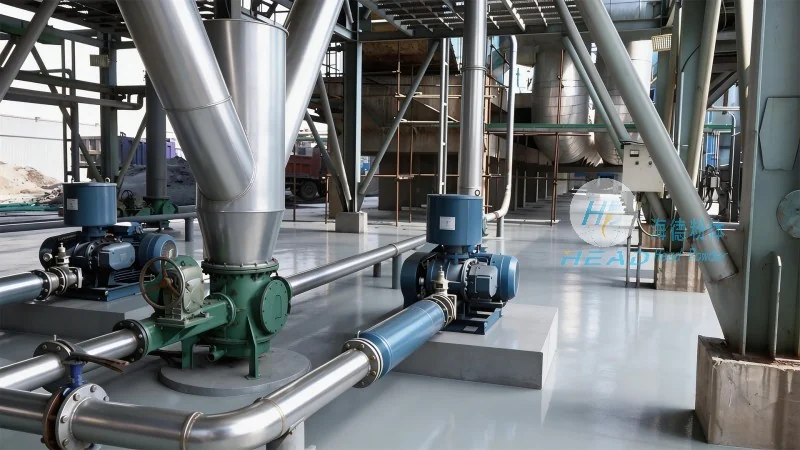
The cotton fiber powder handling equipment typically consists of several key components, each playing a vital role in the overall operation. The feed hopper is the initial component, responsible for receiving and storing the cotton fiber before it enters the transport system. It is designed with a wide opening to facilitate easy loading and often includes a vibration or agitation system to prevent material bridging or caking. The conveying section, which may be pneumatic or mechanical, is the heart of the system. In pneumatic systems, compressed air is used to create a flow of air and material through a pipeline, while mechanical systems use components like screw conveyors or belt conveyors to move the material. The pipeline itself is constructed from materials that are resistant to the abrasive nature of cotton fiber, such as stainless steel or special plastics, to prevent wear and ensure longevity. Control valves and regulators are integrated to manage the flow rate and pressure, allowing for precise control over the transport process. Finally, the discharge unit is responsible for releasing the material at the destination point, often equipped with a dust collection system to capture any particles that may escape during the process.
Application and Operational Benefits
Cotton fiber powder handling equipment is widely used in various industrial settings where the efficient transport of fine powders is essential. In textile manufacturing, for example, these systems are used to move raw cotton fiber from storage to processing machines, ensuring a consistent supply of material for spinning and weaving. In paper production, the equipment helps transport cotton fiber as a raw material for making high-quality paper, improving the overall production efficiency. The operational benefits of these systems include reduced labor costs due to automated material handling, lower maintenance requirements through robust design, and improved safety by minimizing exposure to dust and airborne particles. Additionally, the enclosed design of the equipment helps in maintaining a clean and controlled environment, which is crucial in industries where dust control is a regulatory requirement.
Conclusion
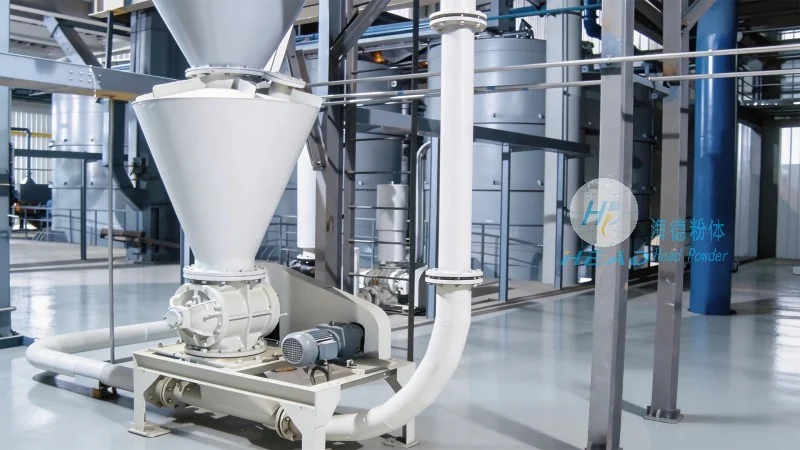
Shandong HeadPowder Engineering Co., Ltd. provides comprehensive solutions for cotton fiber powder handling equipment, combining advanced design principles with robust engineering to meet the demands of modern industrial applications. By understanding the unique properties of cotton fiber and implementing specialized design features, these systems ensure reliable, efficient, and safe material transport. The company's commitment to quality and innovation makes their equipment a trusted choice for industries relying on the consistent handling of fine powders. Whether for textile, paper, or other applications, the cotton fiber powder handling equipment from Shandong HeadPowder Engineering Co., Ltd. offers a reliable solution to enhance production processes and maintain operational excellence.