

What is a Potassium Hydroxide Material Handling Conveyor? And What Are Its Design Principles?
When it comes to the safe and efficient transportation of potassium hydroxide (KOH), specialized material handling conveyors play a critical role in industrial processes. These systems are engineered to manage the unique properties of KOH, ensuring that it is transported from one point to another with minimal risk of spillage, contamination, or operational hazards. Understanding the design principles behind these conveyors is essential for industries that rely on KOH for manufacturing, chemical processing, and other applications.
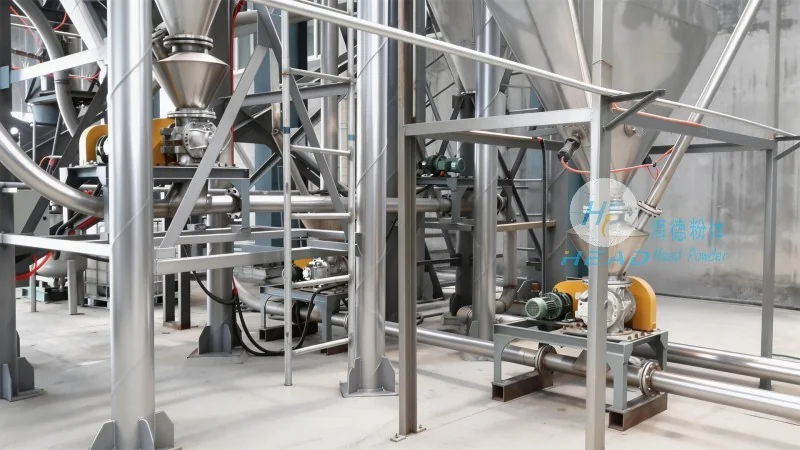
Understanding the Core Function of a Potassium Hydroxide Conveyor System
The primary function of a potassium hydroxide material handling conveyor is to transport bulk quantities of KOH from a storage or production area to a processing unit, such as a reactor or mixing tank. Unlike standard conveyor systems, KOH conveyors are designed with specific features to address the chemical's caustic nature and potential reactivity. This includes robust materials of construction, sealed components to prevent leaks, and specialized feeding mechanisms to maintain consistent flow rates. The system's effectiveness is measured by its ability to maintain the integrity of the material while minimizing downtime and operational risks.
Key Design Principles for Efficient Material Handling
The design of a KOH material handling conveyor is guided by several critical principles aimed at ensuring safety, efficiency, and durability. First, the selection of materials is paramount. Components such as hoppers, chutes, and conveyor belts are typically made from corrosion-resistant materials like stainless steel or specialized polymers that can withstand the chemical's alkaline properties. This prevents degradation and maintains the structural integrity of the system over time. Second, the system must incorporate effective sealing and containment measures. Gaskets, O-rings, and sealed joints are used to prevent KOH from escaping into the environment, which is crucial for compliance with environmental regulations and workplace safety standards. Third, the conveyor's design must prioritize smooth material flow. This involves optimizing the angle of the conveyor, the speed of the belt, and the design of the feeding mechanism to avoid blockages or agglomeration, which can lead to operational inefficiencies or equipment damage.
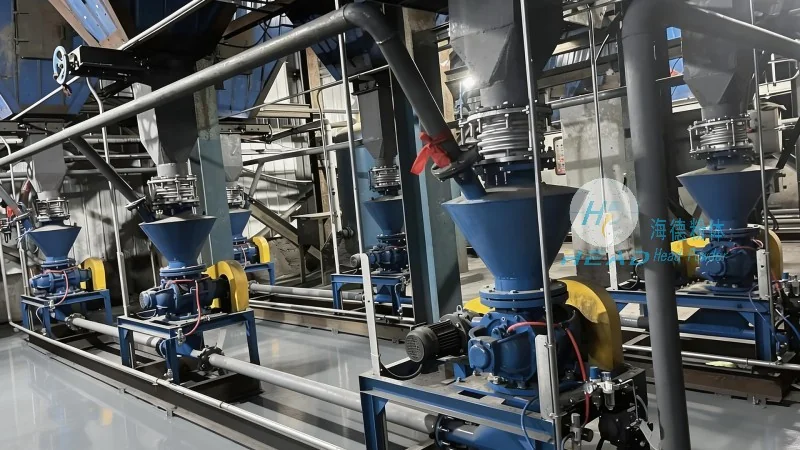
Components and Their Roles in the Conveyor System
A typical potassium hydroxide material handling conveyor consists of several key components, each playing a vital role in the overall operation. The hopper or storage bin is the initial component, where KOH is stored before being fed into the conveyor. It is designed to hold large quantities of the material and often includes a discharge valve to control the flow rate. The feeding mechanism, which may include a screw conveyor or a rotary valve, transfers the KOH from the hopper to the conveyor belt. The conveyor belt itself is made from a durable, non-reactive material and moves the material along the designated path. The idlers and rollers support the belt and ensure it remains level and stable during operation. The drive system, which may include a motor and gearbox, provides the necessary power to move the belt at a consistent speed. Finally, the discharge mechanism, such as a chute or a receiving hopper, collects the material at the end of the conveyor and directs it to the next stage of processing.
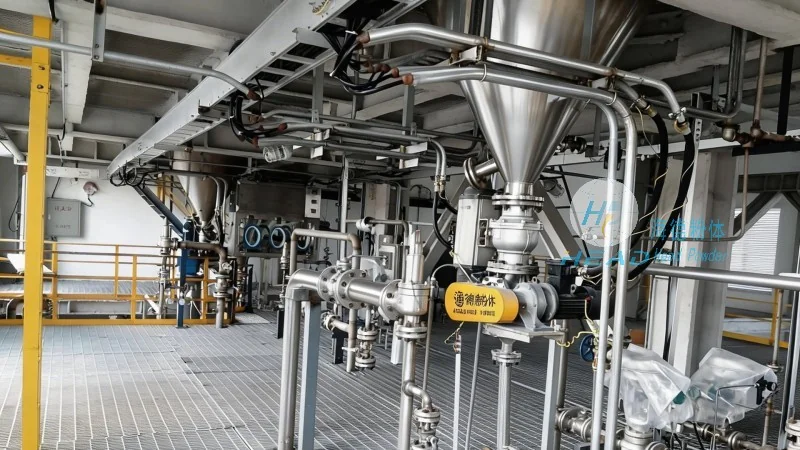
Safety and Operational Considerations for Handling Potassium Hydroxide
Handling potassium hydroxide requires strict adherence to safety protocols due to its caustic and potentially hazardous properties. The conveyor system must be equipped with safety features such as emergency stop buttons, interlocks, and alarms to prevent accidents. Regular maintenance is also essential to ensure that all components are functioning correctly and that there are no leaks or wear and tear that could compromise safety. Additionally, operators must be trained on the proper use of personal protective equipment (PPE), such as gloves, goggles, and protective clothing, to minimize the risk of exposure. The system's design should also include features that allow for easy cleaning and maintenance, reducing the time and effort required to keep the equipment in optimal condition.
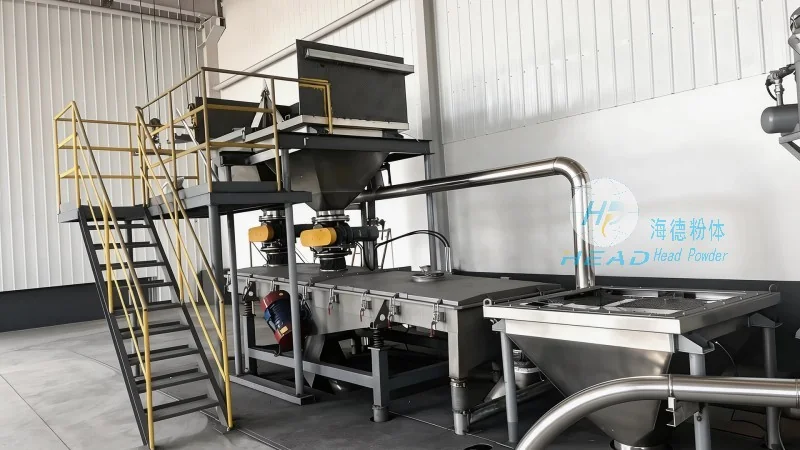
Application Scenarios and Industry Relevance
Potassium hydroxide material handling conveyors are widely used in various industries, including chemical manufacturing, pharmaceuticals, and food processing. In chemical manufacturing, KOH is often used as a base in the production of soaps, detergents, and other alkaline products. The conveyor system ensures that the material is transported safely and efficiently from storage to the production line. In the pharmaceutical industry, KOH is used in the synthesis of certain drugs and active ingredients, where precision and safety are paramount. The conveyor system helps maintain the quality and purity of the material during transportation. In food processing, KOH is used in the production of certain food additives and flavorings, where compliance with food safety regulations is critical. The system's design ensures that the material is handled in a hygienic and controlled manner, meeting industry standards.
Conclusion and Company Overview
As industries continue to rely on potassium hydroxide for a wide range of applications, the importance of reliable and efficient material handling conveyors cannot be overstated. The design principles and components discussed above are critical to ensuring that KOH is transported safely and effectively. Shandong HeadPowder Engineering Co., Ltd., a leading manufacturer of industrial conveyor systems, specializes in designing and manufacturing KOH material handling conveyors that meet the highest standards of safety, efficiency, and durability. With a focus on customer needs and industry best practices, HeadPowder provides tailored solutions that address the unique challenges of handling potassium hydroxide. Based in Shandong, China, HeadPowder leverages its expertise and experience to deliver high-quality conveyor systems that enhance operational performance and ensure workplace safety. Whether for small-scale or large-scale applications, HeadPowder's KOH conveyors are designed to meet the demands of modern industrial processes.