

What is a Cathode Material Material Handling Line? Understanding Its Design Principles
For manufacturers in the battery industry, especially those producing lithium-ion batteries, the efficient handling and processing of cathode materials are critical to production efficiency and product quality. A cathode material material handling line is a specialized system designed to manage the entire workflow of cathode material processing, from raw material input to finished product output. This article will explore the key components, design principles, and operational aspects of such a line, providing insights into how it enhances production capabilities.
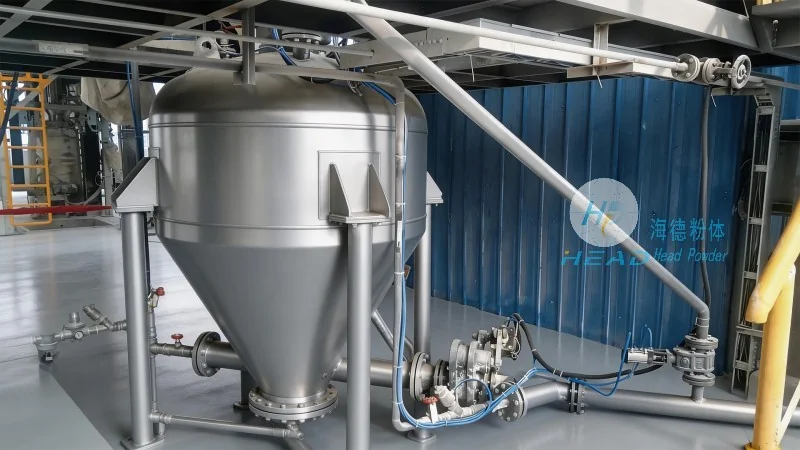
What is a Cathode Material Material Handling Line?
A cathode material material handling line is an integrated system that automates the transportation, mixing, drying, and packaging of cathode active materials used in lithium-ion batteries. These materials, typically lithium cobalt oxide (LiCoO₂), lithium nickel manganese cobalt oxide (NMC), or lithium iron phosphate (LFP), require precise handling to maintain their chemical stability and performance characteristics. The line integrates various equipment such as feeders, conveyors, mixers, and dryers, all working in sequence to ensure uniform material properties and consistent product quality.
Design Principles of Cathode Material Material Handling Lines
The design of a cathode material material handling line follows several core principles to ensure efficiency, safety, and scalability. First, the system must prioritize material integrity, preventing contamination or degradation during processing. This involves using enclosed and sealed equipment to minimize exposure to air and moisture, which can affect the material's performance. Second, the design emphasizes automation and integration, reducing manual labor and human error. Automated feeding, mixing, and packaging processes ensure consistent output and improve production speed. Third, the line is designed for flexibility and scalability, allowing manufacturers to adjust production capacity based on demand. This includes modular components that can be added or removed as needed, adapting to changes in production volume or material types.
Key Components and Their Functions
The effectiveness of a cathode material material handling line depends on its key components, each playing a crucial role in the overall process. The primary components include:
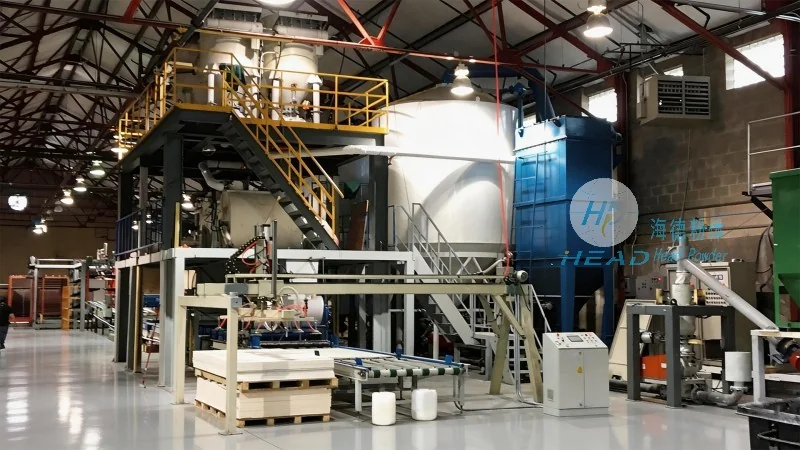
1. Feeding Systems: These systems introduce raw cathode materials into the line. They may include hoppers, screw feeders, or vibratory feeders that control the flow rate and ensure a consistent supply of material to subsequent processes. Proper feeding is essential to maintain uniform material density and prevent blockages in the system.
2. Conveyor Systems: Conveyors transport materials between different processing stages. Belt conveyors, chain conveyors, or pneumatic conveyors are commonly used, depending on the material's characteristics and the required handling speed. These systems ensure smooth material movement and minimize downtime.
3. Mixing Equipment: Mixers are critical for achieving a uniform blend of cathode materials, especially when multiple components (e.g., metal oxides, binders, and conductive agents) are used. High-shear mixers or planetary mixers are often employed to ensure thorough mixing and prevent segregation of components. The design of the mixer must consider the material's viscosity and particle size to avoid overmixing or undermixing.
4. Drying Systems: Drying is a vital step to remove moisture from the cathode material, which can affect its electrical conductivity and battery performance. Drying equipment such as fluidized bed dryers or rotary dryers are used to achieve the desired moisture content. The design of the dryer must ensure uniform heat distribution and prevent overheating, which could degrade the material's properties.
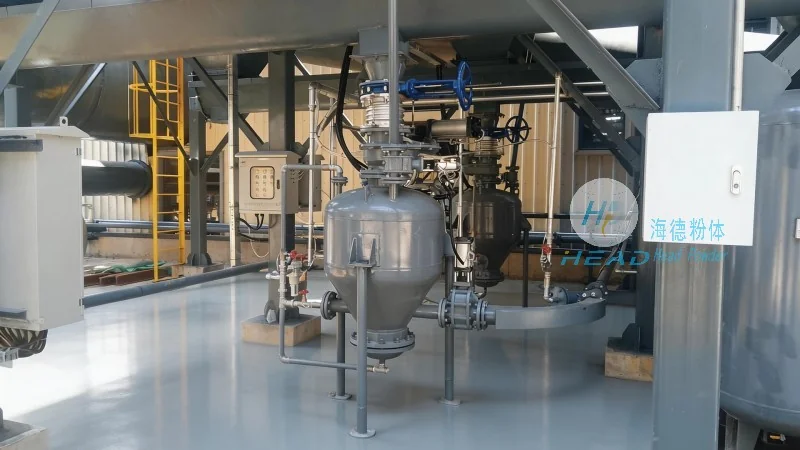
5. Packaging Systems: The final stage of the material handling line involves packaging the processed cathode material into containers for storage or shipment. Automated packaging equipment, such as fillers and sealers, ensures accurate filling and secure sealing, reducing waste and improving product safety.
Operational Considerations and Best Practices
Operating a cathode material material handling line requires adherence to best practices to maximize efficiency and minimize risks. Regular maintenance of equipment is essential to prevent breakdowns and ensure consistent performance. This includes cleaning equipment to remove material residues, checking for wear and tear, and performing routine inspections. Additionally, monitoring material quality parameters, such as moisture content and particle size distribution, is crucial to maintain product consistency. Implementing quality control measures, such as sampling and testing, helps identify any deviations from specifications and allows for corrective actions before the material is used in battery production.
Conclusion
A cathode material material handling line is a sophisticated system that plays a pivotal role in the battery manufacturing process. By integrating advanced design principles and specialized equipment, these lines enhance production efficiency, ensure material quality, and support scalability. For companies like Shandong HeadPowder Engineering Co., Ltd., based in China, developing and implementing such systems is critical to meeting the growing demand for high-performance lithium-ion batteries. The expertise and technology provided by such manufacturers help battery producers optimize their material handling processes, leading to better product outcomes and competitive advantages in the market.