

What Are Polyurethane Material Handling Equipment? And What Are Their Design Principles?
HeadPowder, a leading manufacturer based in Shandong, China, specializes in the design and production of polyurethane material handling equipment. These systems are engineered to efficiently transport a wide range of materials, from powders and granules to bulk solids, in industrial and commercial applications. The core of these systems lies in the use of polyurethane components, which offer unique properties such as high abrasion resistance, flexibility, and chemical resistance, making them ideal for demanding environments.
Key Design Principles of Polyurethane Material Handling Equipment
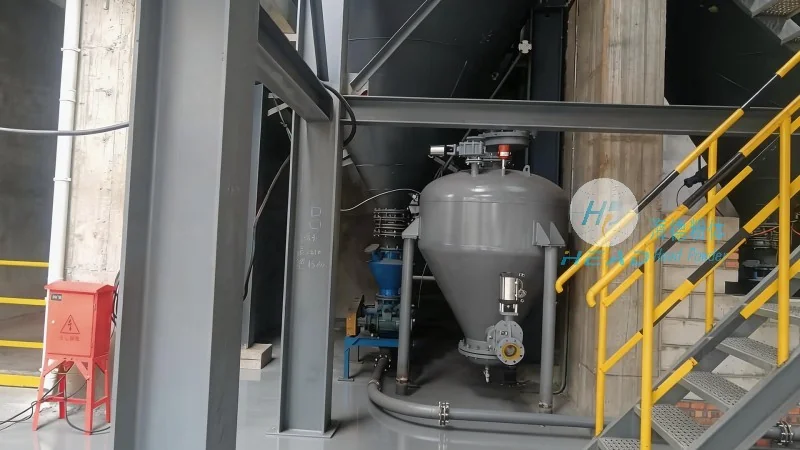
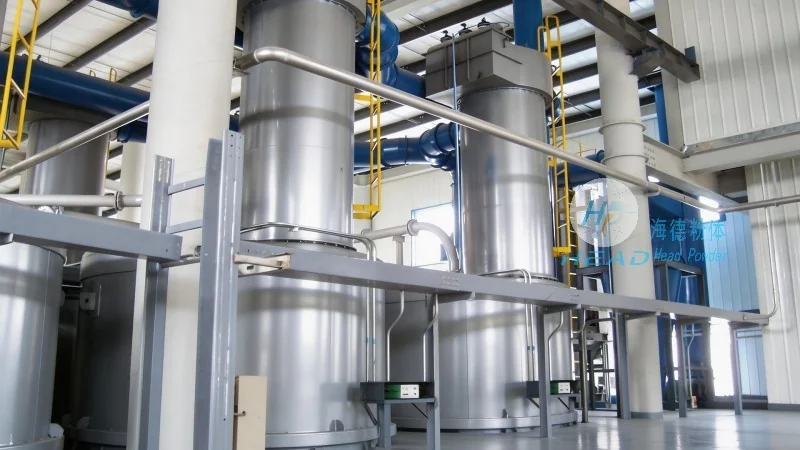
The design of polyurethane material handling equipment is guided by several critical principles that ensure optimal performance and longevity. First, the selection of polyurethane materials is based on the specific characteristics of the conveyed material and the operating conditions. For instance, equipment handling abrasive materials like sand or metal powders may utilize high-density polyurethane with enhanced hardness and wear resistance. Second, the mechanical design focuses on minimizing friction and wear. Components like conveyor belts, rollers, and idlers are engineered with smooth surfaces and appropriate durometer (hardness) to reduce material degradation and equipment wear. Third, the system is designed for durability and low maintenance. Polyurethane's resistance to chemicals, oils, and temperature fluctuations reduces the need for frequent replacements or repairs, lowering operational costs over time.
Components and Functional Aspects
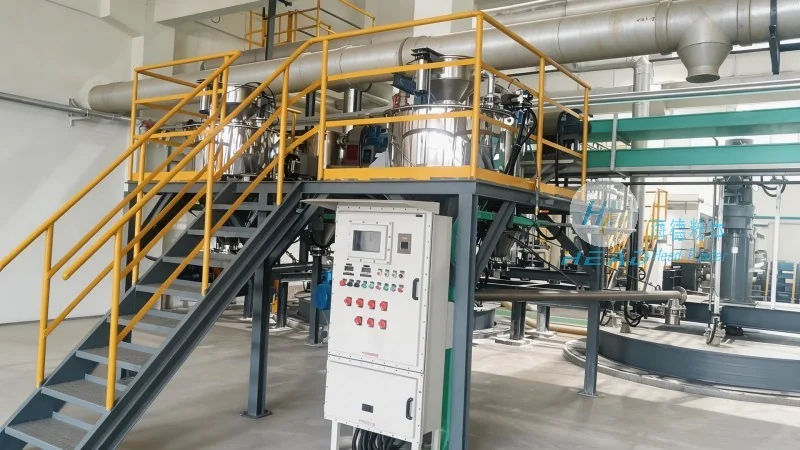
Polyurethane material handling equipment typically consists of several key components, each playing a vital role in the overall operation. The conveyor belt, often made from a durable polyurethane coating, is the primary element that carries the material. The belt is supported by rollers and idlers, which are also constructed from polyurethane or other wear-resistant materials to ensure smooth movement and reduce friction. Drive systems, such as motors and pulleys, are integrated to provide the necessary force to move the belt and, consequently, the material. Additionally, the equipment may include feeding mechanisms, such as hoppers or feeders, to control the flow of material onto the belt, and discharge systems to remove the material at the end of the conveyor. Each component is designed to work in harmony, ensuring efficient and reliable material transport.
Applications and Benefits
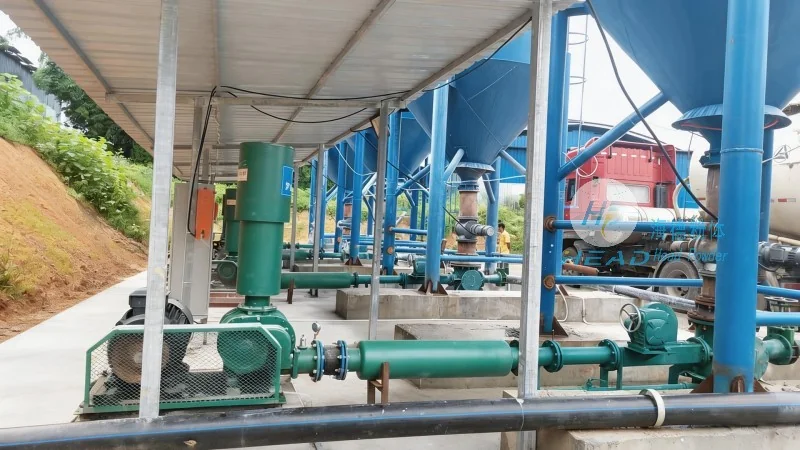
These equipment systems find extensive applications across various industries, including food processing, pharmaceuticals, mining, and manufacturing. In the food industry, polyurethane equipment is preferred for its non-toxic and hygienic properties, ensuring compliance with food safety regulations. In mining and mineral processing, the high abrasion resistance of polyurethane makes it suitable for handling harsh, abrasive materials like coal, ores, and gravel. The benefits of using polyurethane material handling equipment are multifaceted. They include increased efficiency due to reduced downtime from maintenance, lower operational costs from longer component lifespans, and improved product quality by minimizing material degradation during transport. Furthermore, the flexibility of polyurethane allows for custom designs tailored to specific operational needs, providing a versatile solution for diverse material handling challenges.