

What Are Malt Material Handling Equipment? And What Are Their Design Principles?
Malt material handling equipment is a specialized category of machinery designed to efficiently transport and manage malt, a critical ingredient in the brewing industry. These systems are essential for breweries and malting facilities to ensure smooth operations and maintain product quality. The design of such equipment is tailored to the unique physical and chemical properties of malt, including its moisture content, bulk density, and susceptibility to breakage. Understanding the design principles behind these systems is vital for optimizing performance and minimizing operational challenges. Malt, derived from barley, is a dried, germinated grain that serves as the primary source of fermentable sugars in beer production. Its handling requires careful consideration due to its delicate nature and the need to preserve its quality for optimal brewing results.
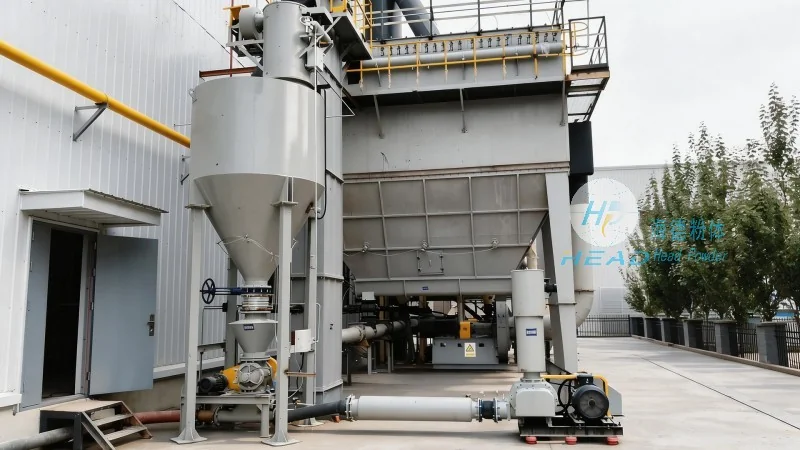
Key Components of Malt Material Handling Equipment
The core components of malt material handling equipment typically include feeders, conveyors, elevators, and storage silos. Each component plays a vital role in the overall system. Feeders are used to regulate the flow of malt from storage bins or hoppers, ensuring a consistent and controlled feed rate. This is critical for preventing overloading or underloading of downstream equipment. For instance, rotary feeders or vibratory feeders are commonly used to achieve precise flow control. Conveyors, such as belt conveyors or screw conveyors, are employed to transport malt horizontally or at an incline. Screw conveyors, in particular, are well-suited for handling dry, free-flowing materials like malt due to their ability to move material without the need for external power sources beyond the motor. This makes them energy-efficient and suitable for long-distance transport. Elevators, including bucket elevators or chain and flight conveyors, are used to lift malt vertically, often connecting different levels of a facility. These systems are designed to handle vertical lifts efficiently, minimizing the need for multiple horizontal conveyors. Storage silos or bins are also integral, providing a means to store malt before processing and ensuring an adequate supply for continuous operation. The design of these storage units often includes aeration systems to maintain optimal moisture levels and prevent spoilage.
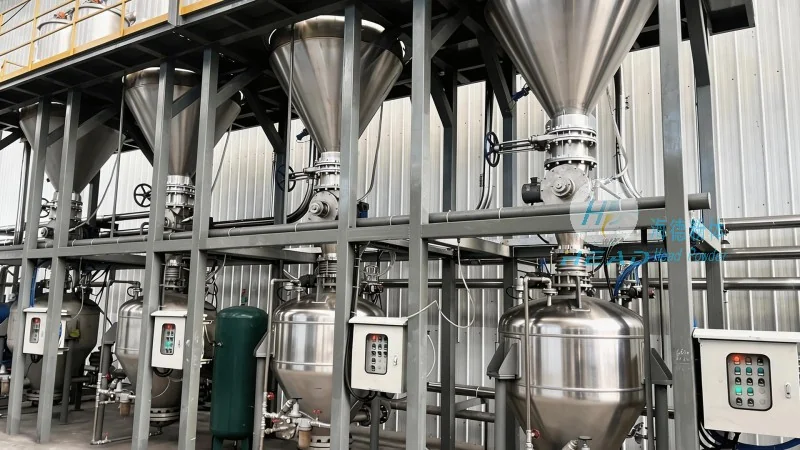
Design Principles for Efficient Malt Handling
The design principles of malt material handling equipment focus on several key factors to ensure efficiency, durability, and safety. First, material compatibility is paramount. The equipment must be constructed from materials that are resistant to the corrosive and abrasive nature of malt, such as stainless steel or specialized coatings. This prevents wear and tear and maintains product purity. For example, stainless steel is commonly used for conveyor components and silo interiors due to its resistance to corrosion from moisture and malt residues. Second, the system is designed to minimize product breakage. Malt grains are delicate and can easily be damaged during handling, which affects their quality and brewing performance. Therefore, equipment is engineered with smooth surfaces, gentle curves, and minimal impact points. The use of soft rubber or plastic liners in conveyor beds reduces friction and prevents grain cracking. Additionally, the design of elevators and feeders includes features like slow-moving parts and low-impact mechanisms to further protect the malt. Third, the design emphasizes energy efficiency. By optimizing the flow rate and reducing friction, the equipment operates with lower energy consumption, which is both cost-effective and environmentally friendly. This is achieved through the use of efficient motors, variable speed drives, and optimized conveyor geometry. Fourth, the system is designed for easy maintenance and cleaning. This is crucial for maintaining hygiene standards in food processing environments, as malt is a food ingredient. Accessible components and easy-to-clean surfaces help prevent contamination and ensure compliance with regulatory standards. For instance, removable conveyor liners and easy-to-clean silo interiors are standard features in modern malt handling equipment.
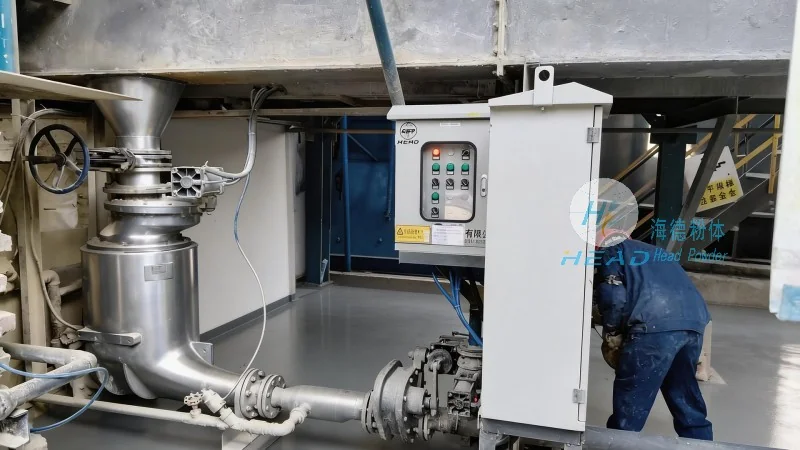
Application of Malt Handling Equipment in Brewing
Malt material handling equipment is widely used in the brewing industry to support various stages of malt processing. From raw material reception to storage and delivery to the brewhouse, these systems are integral to the workflow. In the raw material reception stage, equipment like bulk loaders or receiving hoppers are used to unload malt from trucks or railcars. This equipment is designed to handle large volumes of malt and ensure a smooth transition from transportation to storage. The use of automated systems, such as weigh scales and level sensors, helps in accurately measuring and controlling the amount of malt received. During storage, silos and bins are used to keep malt fresh and protected from moisture and pests. The design of these storage units often includes aeration systems to maintain optimal moisture levels and prevent spoilage. For example, aeration fans are integrated into silo tops to circulate air and regulate humidity. When it's time to use the malt, the equipment transfers it to the brewhouse. This may involve using conveyors to move malt from storage silos to the mashing tanks or to the grinding equipment. The design of these transfer systems is critical to ensure that the malt is delivered in the correct quantity and at the right time, without any delays or interruptions. In the brewhouse, the malt is typically milled and mixed with hot water to extract sugars, a process known as mashing. The efficiency of the malt handling equipment directly impacts the efficiency of this mashing process, as any delays or inconsistencies in malt delivery can affect the quality of the wort (the liquid extracted from the malt).