

What is a Food Additive Material Handling System? What are the Design Principles?
For food processing industries, the efficient and safe handling of food additives is a critical aspect of production. A dedicated material handling system is essential to manage the flow of these additives from storage to the processing line. This system ensures that additives are delivered in precise quantities, maintaining product quality, consistency, and regulatory compliance. The design of such systems involves a comprehensive approach, considering the specific properties of the additives, the production requirements, and the safety standards of the food industry.
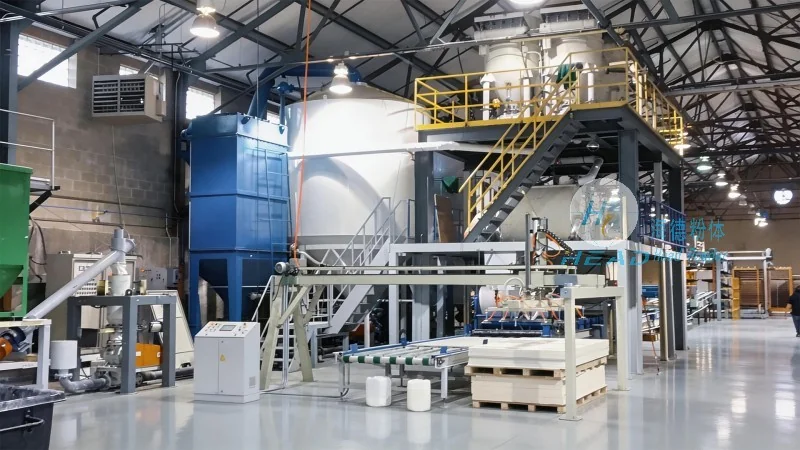
Key Components of a Food Additive Material Handling System
The core components of a food additive material handling system typically include storage silos, conveying equipment, dosing mechanisms, and control systems. Storage silos are typically made from stainless steel or food-grade plastic to prevent contamination and ensure durability. These silos are designed to hold bulk quantities of additives, such as powders or granules. Conveying equipment, including screw conveyors, belt conveyors, or pneumatic systems, transports the additives from the silos to the processing area. Screw conveyors are suitable for materials with moderate flowability, while pneumatic systems are ideal for powders with low bulk density or those that are prone to caking. Dosing mechanisms, like gravimetric or volumetric feeders, ensure accurate measurement and dispensing of the additives. Gravimetric feeders measure the mass of the material, providing high accuracy even with varying bulk densities, which is crucial for additives like baking powder or emulsifiers. Control systems integrate all components, allowing for automated operation, real-time monitoring, and data logging. This enables operators to adjust dosing rates, track production, and troubleshoot issues quickly.
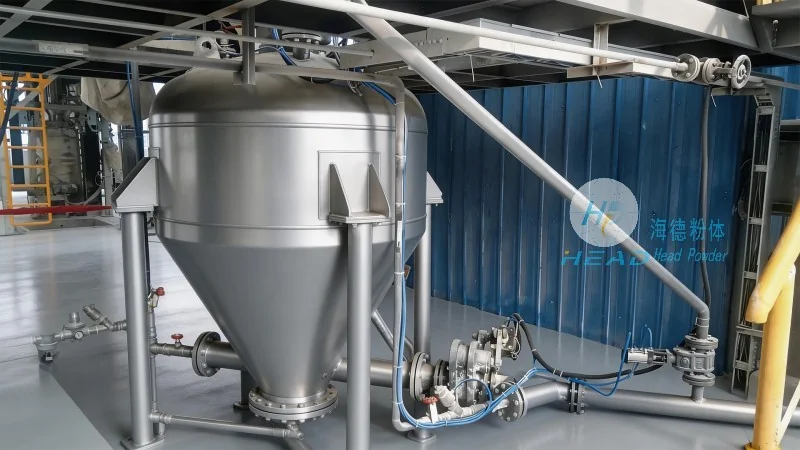
Design Principles for Optimal Performance
The design principles of a food additive material handling system prioritize efficiency, safety, and precision. First, the system must accommodate the physical and chemical properties of the additives. For example, if the additive is hygroscopic (absorbs moisture), the system may include drying or moisture control features to prevent clumping. If the additive is abrasive, the equipment must be constructed from wear-resistant materials to extend its lifespan. Second, safety is a top priority. The system must comply with food safety regulations, such as those from the FDA or EU, which require easy cleaning, maintenance, and prevention of cross-contamination. This involves using sealed systems, stainless steel components, and proper ventilation to minimize the risk of contamination. Third, precision in dosing is critical for maintaining product consistency. The dosing mechanism must be calibrated accurately and regularly to ensure that the correct amount of additive is added to each batch. This is particularly important for additives that affect the final product's taste, texture, or shelf life.
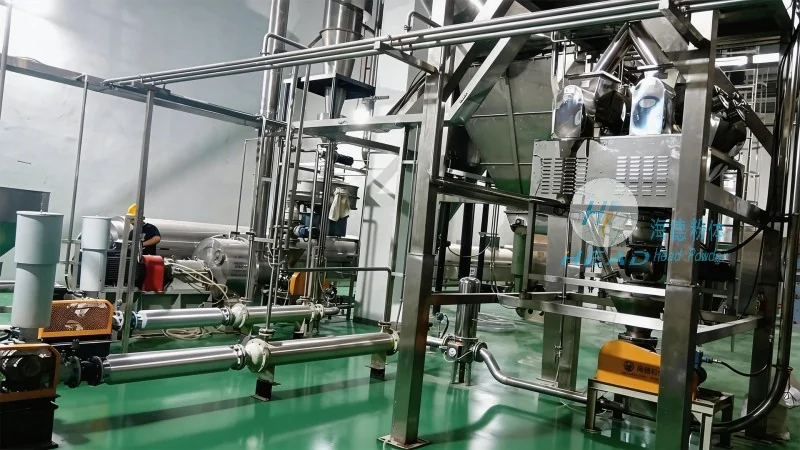
Application Examples in Food Processing
Food additive material handling systems are widely used in various food processing applications. In the bakery industry, a system may handle ingredients like baking powder, sodium bicarbonate, or emulsifiers. The system ensures that the correct amount of each additive is added to the dough, influencing the final product's rise, texture, and flavor. For instance, a gravimetric feeder can precisely measure the amount of baking powder needed for a batch of bread, preventing over or under-dosing which could lead to poor texture or taste. In the dairy industry, systems may handle stabilizers or flavor enhancers for yogurt or cheese production. The precision of the dosing is vital here, as even small variations can affect the product's taste and texture. Similarly, in the beverage industry, systems may handle sweeteners or preservatives for soft drinks or juices. The ability to maintain consistent dosing rates is essential for meeting consumer preferences and regulatory standards, such as sugar content limits.
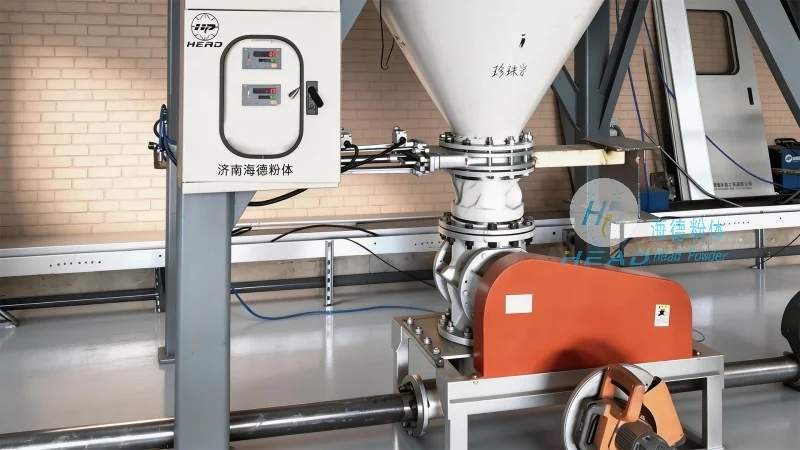
Benefits of Using a Professional System Provider
Partnering with a specialized provider like Shandong HeadPowder Engineering Co., Ltd. offers several advantages for food processing businesses. Such companies have extensive experience in designing and manufacturing material handling systems tailored to the food industry's unique requirements. They understand the importance of compliance with food safety regulations and can provide solutions that meet or exceed industry standards. Shandong HeadPowder Engineering Co., Ltd., based in Shandong, China, specializes in customized systems that integrate the latest technology for efficient and safe handling of food additives. Their systems are constructed from food-grade materials, ensuring no risk of contamination. The control systems are user-friendly, allowing operators to easily adjust settings, monitor performance, and access data logs. This not only improves operational efficiency but also reduces the risk of errors and product recalls. Additionally, their expertise in material properties allows them to recommend the most suitable equipment for specific additives, optimizing the system's performance and lifespan.