

What is a Silica Micropowder Material Handling System? What are its Design Principles?
When dealing with silica micropowders, efficient material handling is crucial for maintaining product quality and operational efficiency. A specialized system designed for these fine powders addresses unique challenges such as dust control, flow management, and equipment wear. This article explores the fundamentals of a silica micropowder material handling system and its underlying design principles, providing insights into how such systems are engineered to meet industrial demands.
Understanding Silica Micropowders and Their Handling Challenges
Silica micropowders, often used in industries like electronics, pharmaceuticals, and construction, are characterized by their extremely fine particle size, typically ranging from 1 to 100 micrometers. This fineness makes them prone to agglomeration, static electricity buildup, and difficulty in uniform flow. Traditional bulk material handling methods may not be suitable due to the risk of dust exposure, equipment blockage, or product contamination. Therefore, specialized systems are required to ensure safe, efficient, and reliable transport of these powders.
Key Components of a Silica Micropowder Material Handling System
A comprehensive silica micropowder material handling system integrates several critical components to address the unique properties of the material. These components work in synergy to ensure smooth operation and minimal downtime. The primary elements include:
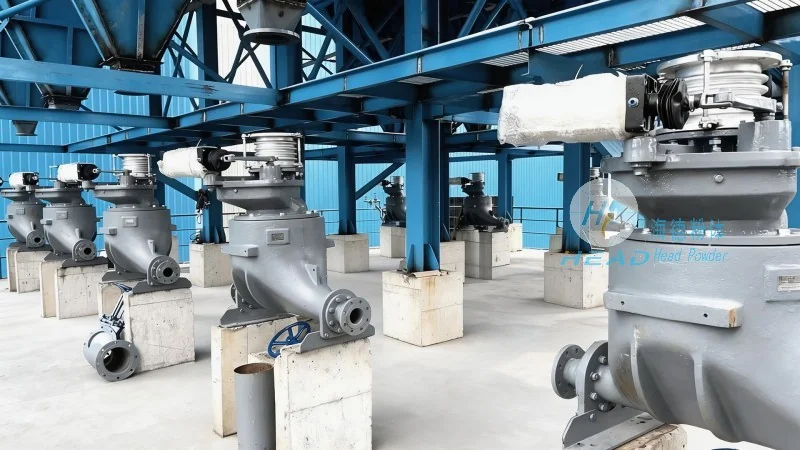
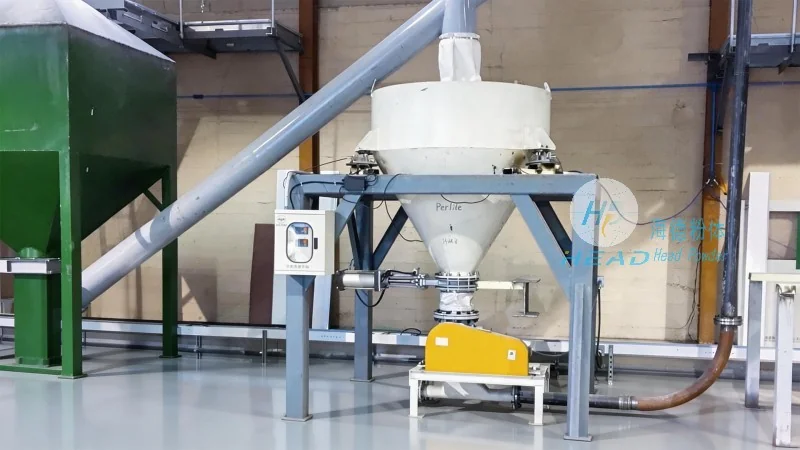
1. Feeding and Dosing Equipment: This component is responsible for controlling the flow rate and consistency of the powder. For silica micropowders, devices like rotary valves, vibratory feeders, or screw feeders are commonly used. These tools help maintain a uniform feed rate, preventing overloading or underfeeding that could lead to system inefficiencies.
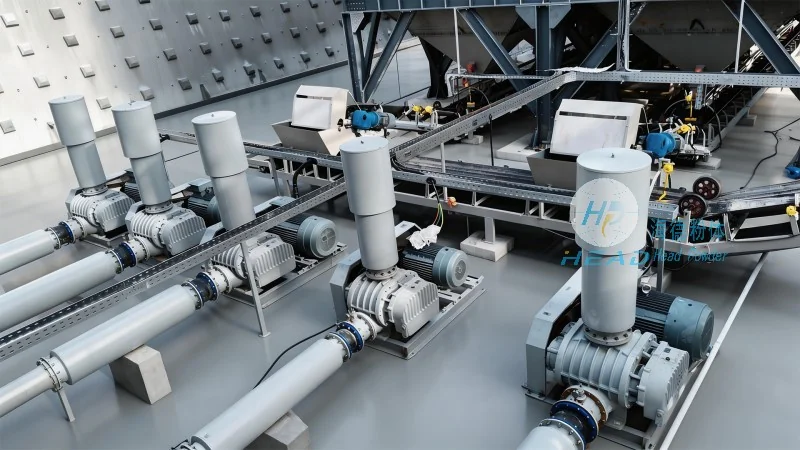
2. Pneumatic Conveying Systems: Pneumatic conveying is a popular method for transporting fine powders due to its ability to handle dust and minimize contamination. Systems may use positive or negative pressure to move the material through pipelines. For silica micropowders, positive pressure systems are often preferred as they provide better control over particle dispersion and reduce the risk of static buildup.
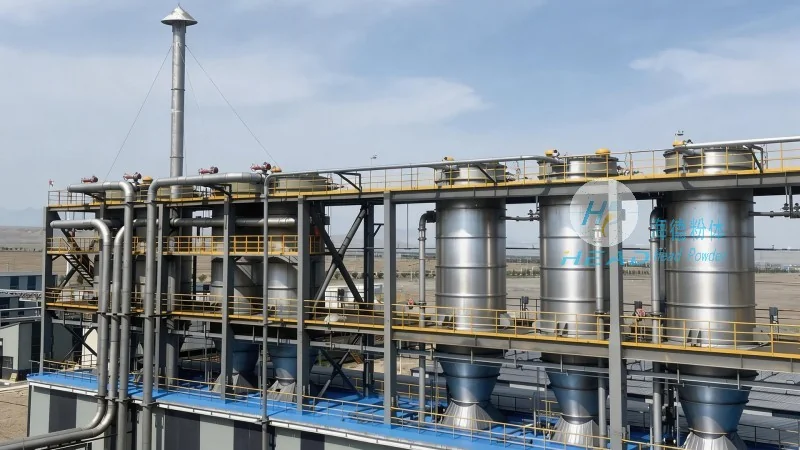
3. Storage and Silos: Proper storage is essential to maintain the quality of silica micropowders. Silos are designed with features like anti-static coatings and aeration systems to prevent caking and ensure consistent material flow. The design of the silo, including its shape and internal surfaces, is critical to avoid material degradation or blockages.
4. Conveying Pipelines and Fittings: The choice of pipeline material and design is vital for handling silica micropowders. Materials like stainless steel or polyethylene are commonly used to prevent corrosion and material adhesion. Special fittings, such as elbows and bends, are often equipped with anti-static or wear-resistant coatings to minimize particle loss and equipment wear.
5. Dust Control and Filtration Systems: Silica micropowders are known for generating dust during handling. Effective dust control is necessary to protect personnel and the environment. Systems typically include dust collectors, filters, and exhaust systems that capture and remove airborne particles, ensuring compliance with safety and environmental regulations.
Design Principles for Optimal Performance
The design of a silica micropowder material handling system follows several key principles to ensure reliability, efficiency, and safety. These principles are tailored to the specific characteristics of the material and the operational requirements of the application.
1. Minimizing Particle Agglomeration: Agglomeration, or the clumping of fine particles, can cause blockages and reduce system performance. Design strategies include maintaining low moisture levels, using anti-static materials, and incorporating vibration or air agitation within the system to keep particles in a free-flowing state.
2. Controlling Static Electricity: Silica micropowders are prone to generating static electricity, which can lead to dust explosions or equipment malfunctions. Designers incorporate grounding mechanisms, anti-static coatings, and conductive materials into the system to dissipate static charges safely.
3. Ensuring Uniform Flow: Uniform flow is critical for consistent processing and product quality. The system design considers factors such as particle size distribution, bulk density, and flow characteristics. Equipment like rotary valves and vibratory feeders are calibrated to provide a steady, controlled flow rate, preventing surges or fluctuations.
4. Preventing Equipment Wear: The fine nature of silica micropowders can cause significant wear on system components over time. Designers select materials with high wear resistance, such as hardened steel or special alloys, and incorporate features like smooth surfaces and minimal friction points to extend equipment lifespan.
5. Compliance with Safety and Environmental Standards: The system must adhere to relevant safety and environmental regulations. This includes proper dust control measures, explosion-proof designs for certain components, and material handling practices that minimize environmental impact. Compliance ensures the system operates safely and sustainably.
Case Study: Application in the Pharmaceutical Industry
Consider the application of a silica micropowder material handling system in the pharmaceutical industry. Here, the system must meet stringent purity and safety standards. The design incorporates stainless steel components, HEPA filtration systems, and strict contamination control measures. The feeding equipment is carefully calibrated to avoid cross-contamination, and the entire system is validated to ensure consistent product quality. This example highlights how the design principles discussed above are applied in a high-stakes environment to deliver reliable results.
Conclusion
A silica micropowder material handling system is a sophisticated engineering solution designed to address the unique challenges posed by fine powders. By integrating specialized components and adhering to key design principles, such systems ensure efficient, safe, and reliable transport of silica micropowders. Companies like Shandong HeadPowder Engineering Co., Ltd., based in China, specialize in developing and implementing these systems, providing tailored solutions for various industrial applications. The importance of proper system design cannot be overstated, as it directly impacts operational efficiency, product quality, and overall business success.