

What is a Resin Material Handling System? What are its Design Principles?
Resin material handling systems are critical components in industrial operations, particularly in manufacturing and processing facilities where resin materials are used. These systems are engineered to efficiently transport, store, and manage resin materials from raw material storage to processing equipment. The design of such systems is crucial as it directly impacts operational efficiency, safety, and overall productivity. This article explores the fundamental aspects of resin material handling systems, focusing on their design principles and key considerations for effective implementation.

Key Components of Resin Material Handling Systems
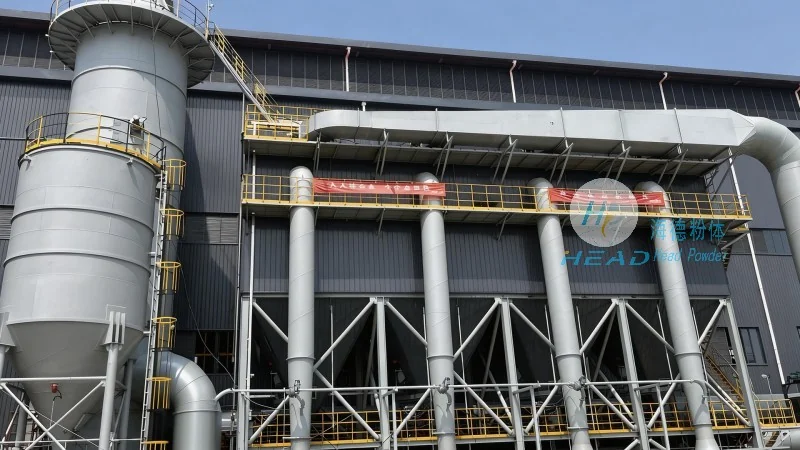
Resin material handling systems typically consist of several interconnected components that work together to ensure smooth material flow. These components include storage silos or hoppers for raw resin, conveying equipment such as screw conveyors, belt conveyors, or pneumatic systems for transporting resin, and control systems that regulate the flow and monitoring of the material. Each component is designed to handle the specific properties of resin materials, such as their density, viscosity, and potential for dust generation. For instance, some resin types may require enclosed conveying systems to prevent dust contamination, while others might need specialized feeding mechanisms to handle granular or pelletized forms.
Design Principles for Efficient Resin Handling
The design of a resin material handling system follows several key principles aimed at optimizing performance and minimizing operational risks. First, the system must ensure a consistent and controlled flow of resin to processing equipment, which is essential for maintaining product quality and reducing downtime. This involves proper sizing of storage vessels and conveying equipment to match the material throughput requirements. Second, safety is a paramount consideration in resin handling, as many resin materials can be hazardous if not handled correctly. Design principles include the use of explosion-proof components, dust suppression systems, and proper ventilation to mitigate risks. Third, the system should be designed for easy maintenance and cleaning to prevent contamination and ensure long-term reliability. This includes features like easy access to components, removable parts, and cleaning mechanisms.
Material Properties and Their Impact on System Design
The physical and chemical properties of resin materials significantly influence the design of the handling system. For example, resin with high moisture content may require drying equipment before processing, which is integrated into the handling system. Similarly, resin that is prone to caking or agglomeration may need specialized agitators or vibrators to maintain flowability. The system design must also account for the material's density and flow characteristics, as these affect the choice of conveying method and equipment. For instance, dense resin may require higher power screw conveyors or more robust belt systems to ensure effective transport. Understanding these material properties is crucial for selecting the appropriate equipment and ensuring the system operates efficiently.
Integration with Processing Equipment
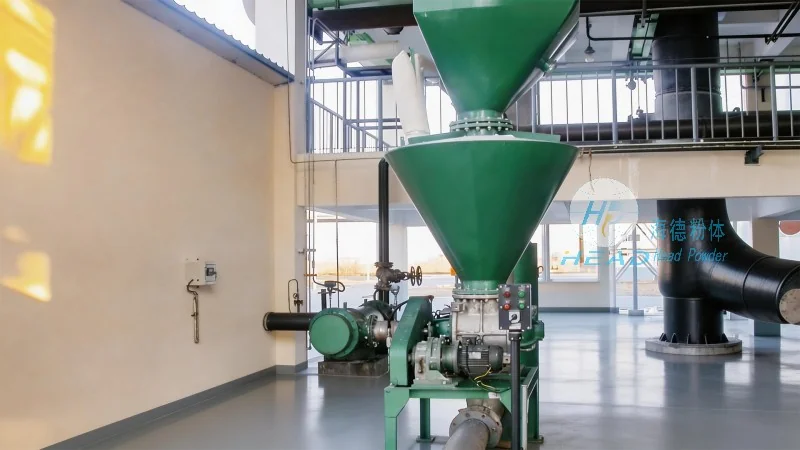
Resin material handling systems are often integrated with downstream processing equipment, such as extruders, mixers, or molding machines. The design of the handling system must ensure seamless integration with these equipment to maintain a continuous production line. This involves matching the material feed rate of the handling system to the processing capacity of the equipment. For example, a resin hopper feeding a screw conveyor must be sized to provide a consistent flow rate that matches the extruder's demand. Additionally, the system must include features like level sensors and flow meters to monitor the material levels and flow rates, providing real-time data for process control. This integration is critical for maintaining product consistency and reducing waste in the manufacturing process.
Case Study: A Typical Resin Handling System by Shandong HeadPowder Engineering Co., Ltd.
Shandong HeadPowder Engineering Co., Ltd., a leading provider of resin handling solutions, offers comprehensive systems tailored to specific industrial needs. One typical application involves a resin handling system designed for a plastic manufacturing plant. The system includes a large storage silo for raw resin, a screw conveyor for transporting the resin to a mixing unit, and a pneumatic system for feeding the resin into an extruder. The design incorporates explosion-proof components and dust suppression measures to ensure safety and compliance with industrial standards. The system is engineered to handle various resin types, including polyethylene, polypropylene, and PVC, with adjustable feeding rates to match different production requirements. The company's expertise in material handling ensures that the system is optimized for efficiency, reliability, and minimal maintenance, contributing to the overall productivity of the plant.