

What is Grass Pellet Material Conveying? What Are the Design Principles?
Grass pellet material conveying is a specialized process used in the agricultural and biomass energy sectors to transport grass pellets efficiently from one location to another. This method is crucial for optimizing the handling and processing of biomass materials, which are increasingly important as sustainable energy sources. The design principles behind such systems are tailored to address the unique characteristics of grass pellets, including their size, density, and moisture content, ensuring reliable and low-maintenance operation.
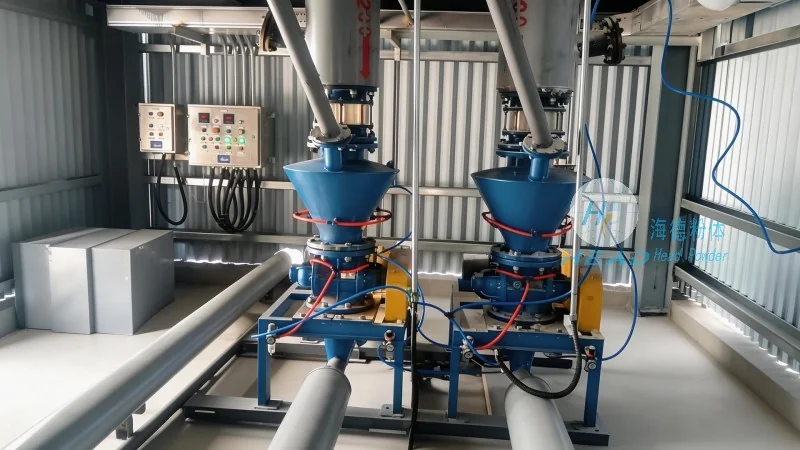
Understanding Grass Pellet Material Conveying
Grass pellets are a type of biomass fuel produced by compressing dried grass or other herbaceous materials. These pellets are typically small, cylindrical, and have a uniform size, making them suitable for various applications such as heating, power generation, and industrial processes. The conveying of these pellets involves moving them from storage areas, processing units, or production lines to end-use points like boilers or storage silos. Efficient conveying systems are essential to maintain the quality of the pellets and minimize energy losses during transport.
The Core Design Principles of Grass Pellet Conveying Systems
The design of grass pellet conveying systems is based on several key principles that ensure optimal performance and durability. First, the system must be able to handle the specific physical properties of grass pellets, which may vary depending on the type of grass used and the drying process. Factors such as pellet size, density, and moisture content directly impact the choice of conveying equipment, such as screw conveyors, belt conveyors, or pneumatic systems. For instance, screw conveyors are commonly used for horizontal or slight incline transport due to their ability to handle dry, free-flowing materials without the need for additional power or air pressure.
Second, the design must prioritize material compatibility and corrosion resistance. Grass pellets often contain organic compounds that can be acidic or corrosive over time, especially when exposed to moisture. Therefore, conveying components like hoppers, chutes, and screws are typically made from materials such as stainless steel or high-grade plastics to prevent degradation and ensure long-term reliability. This is particularly important in industrial settings where the system operates continuously and requires minimal maintenance.
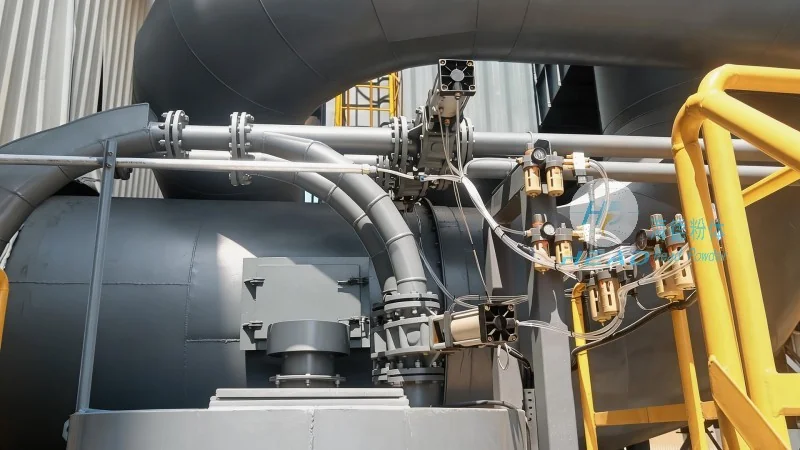
Third, the system must be designed for energy efficiency and operational cost-effectiveness. This involves selecting components that minimize energy consumption while maximizing throughput. For example, variable-speed drives can be integrated into screw conveyors to adjust the speed based on the load, reducing energy waste during light loads. Additionally, the layout of the conveying system should be optimized to minimize the number of bends and vertical lifts, as these can increase energy requirements and cause wear on the equipment.
Components and Technologies in Grass Pellet Conveying
Modern grass pellet conveying systems incorporate a range of components and technologies to enhance performance and reliability. Key components include feed hoppers, which store and feed the pellets into the conveying mechanism, and discharge chutes that direct the pellets to their destination. Screw conveyors, as mentioned earlier, are a popular choice due to their simplicity and effectiveness in handling dry materials. These conveyors consist of a rotating screw inside a tube, which pushes the pellets forward through the system.
Pneumatic conveying systems are another option, particularly for longer or more complex transport routes. These systems use air pressure to move pellets through a pipeline, which can be more flexible in terms of layout but may require higher energy input and careful control of air pressure to prevent material degradation or blockages. The choice between screw and pneumatic systems depends on factors such as the distance to be covered, the volume of material to be transported, and the specific operational requirements of the facility.
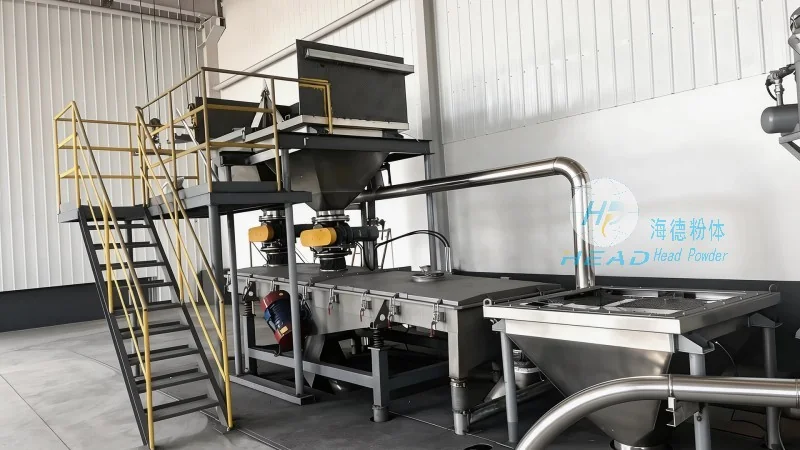
Control systems are also critical in modern grass pellet conveying systems, as they allow for automated operation and monitoring. Sensors can be used to detect the level of pellets in the hopper or the flow rate through the conveyor, providing real-time data to operators. This data can be used to adjust the speed of the conveyor or the feed rate, ensuring that the system operates at optimal efficiency. Additionally, advanced control systems can include features such as overload protection and automatic shutdown in case of blockages or other faults, enhancing safety and reducing downtime.
Applications and Benefits of Grass Pellet Conveying
Grass pellet conveying systems are widely used in various industries, including biomass power plants, agricultural processing facilities, and residential heating systems. In biomass power plants, these systems are essential for transporting large volumes of pellets from storage to the boiler, where they are burned to generate electricity. The efficiency of the conveying system directly impacts the overall plant performance, as any delays or inefficiencies can lead to reduced power output and increased operational costs.
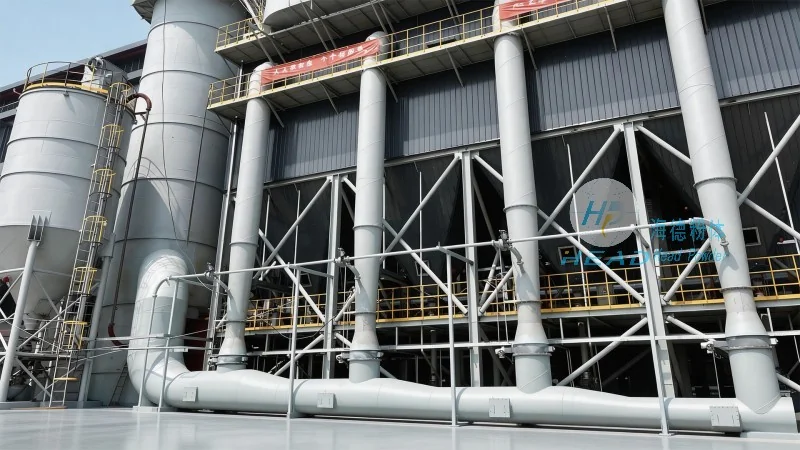
In agricultural processing facilities, grass pellet conveying is used to move pellets from the drying and pelletizing units to storage silos or packaging areas. This ensures that the pellets are handled gently and without damage, which is important for maintaining their quality and market value. The design of these systems must also consider the need for hygiene and cleanliness, as the pellets may come into contact with food or animal feed products.
For residential heating applications, smaller-scale conveying systems are used to transport pellets from storage bins to the heating unit. These systems are typically more compact and may use different technologies, such as auger conveyors or small pneumatic systems, to meet the specific needs of home use. The benefits of using grass pellet conveying systems in these applications include improved efficiency, reduced labor costs, and the ability to automate the fuel supply process.
Conclusion and Company Overview
Grass pellet material conveying is a vital process in the biomass industry, and the design principles behind these systems are critical to their success. By understanding the unique characteristics of grass pellets and incorporating appropriate components and technologies, manufacturers can develop efficient and reliable conveying systems that meet the demands of modern agricultural and energy applications. Shandong HeadPowder Engineering Co., Ltd., a leading company in this field, specializes in the design and manufacturing of such systems, providing solutions tailored to the specific needs of clients in China and beyond. With a focus on quality, durability, and energy efficiency, HeadPowder Engineering Co., Ltd. is committed to advancing the use of grass pellets as a sustainable energy source and supporting the growth of the biomass industry.