

What is Hydrogen Chloride Powder Handling Equipment? What are its Design Principles?
Hydrogen chloride (HCl) is a highly corrosive and hazardous chemical gas, often encountered in industrial processes such as chemical manufacturing, pharmaceutical production, and metal processing. The safe and efficient handling of HCl powder requires specialized equipment designed to manage its unique properties, including its reactivity, volatility, and potential for generating corrosive fumes. This article explores the key aspects of HCl powder handling equipment, focusing on its design principles and the critical considerations for ensuring safe operation.

HeadPowder, a leading manufacturer based in Shandong, China, specializes in developing advanced powder handling solutions tailored to the demands of HCl processing. With a strong commitment to safety and performance, the company’s equipment is engineered to meet stringent industrial standards while providing reliable and efficient operation. The following sections delve into the core components and design principles that define effective HCl powder handling systems.
Key Design Considerations for HCl Powder Handling Equipment
When designing HCl powder handling equipment, several critical factors must be addressed to ensure safety and operational efficiency. First, the equipment must be constructed from materials that are resistant to corrosion from HCl and its byproducts. Common materials include stainless steel, Hastelloy, and other corrosion-resistant alloys, which are selected based on the specific concentration and temperature of the HCl being handled. Additionally, the design must incorporate features to prevent leaks and contain any potential spills, as HCl is a toxic gas that can cause severe health hazards if released into the environment.
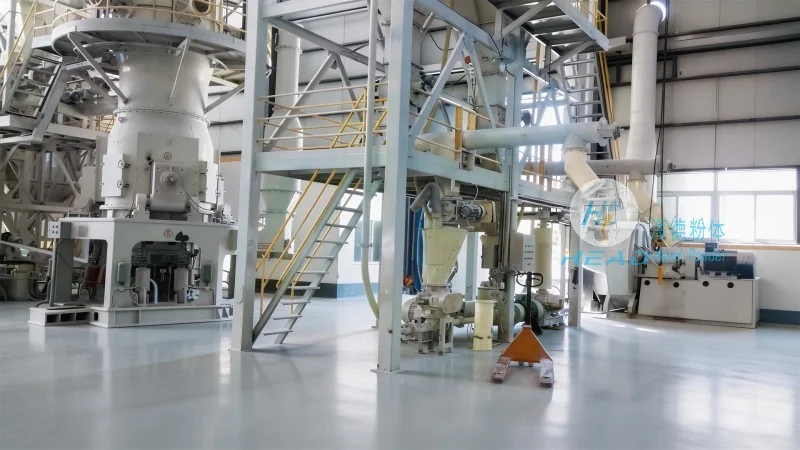
Another essential consideration is the prevention of static electricity, which can be a significant fire and explosion risk in powder handling systems. Proper grounding and anti-static measures are integrated into the equipment design to mitigate this risk. The equipment also needs to be equipped with effective dust collection and filtration systems to control airborne HCl particles and prevent contamination of the surrounding environment. These systems typically include high-efficiency particulate air (HEPA) filters and activated carbon adsorption units to ensure compliance with environmental regulations.
Core Components of HCl Powder Handling Equipment
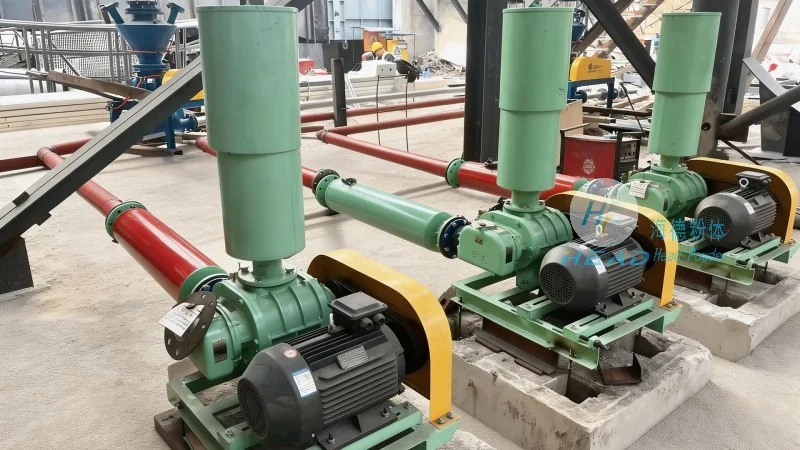
The primary components of HCl powder handling equipment include feeders, conveyors, storage vessels, and transfer systems. The feeder is responsible for accurately metering the HCl powder, ensuring a consistent flow rate that matches the process requirements. Common feeder types for HCl include rotary valves, screw feeders, and vibratory feeders, each chosen based on the powder’s characteristics and the required flow rate. The conveyor system then transports the powder from the feeder to the storage vessel or processing unit. Conveyors may be pneumatic (air-driven) or mechanical (belt or screw-driven), with pneumatic systems being preferred for HCl due to their ability to handle corrosive powders and minimize material contact.
Storage vessels are designed to hold the HCl powder under controlled conditions, typically at low temperatures to reduce volatility and prevent gas formation. These vessels are equipped with pressure relief valves and temperature sensors to monitor and maintain safe operating parameters. The transfer system connects the storage vessel to the processing equipment, ensuring a smooth and continuous flow of powder. This system may include pumps, valves, and piping, all constructed from corrosion-resistant materials to withstand the harsh environment of HCl handling.
Safety and Operational Features
Ensuring the safety of personnel and the environment is paramount in HCl powder handling. The equipment is equipped with multiple safety features, including emergency shut-off valves, pressure relief devices, and gas detection systems. These systems monitor for HCl leaks and trigger automatic shutdowns if concentrations exceed safe limits. Additionally, the equipment is designed with easy access points for maintenance and cleaning, reducing the risk of contamination and ensuring long-term reliability. Regular maintenance is critical to maintaining the performance and safety of HCl powder handling systems, as any degradation in equipment condition can lead to leaks or inefficiencies.
Application Examples and Industry Impact
HCl powder handling equipment is widely used in various industrial applications, including the production of chlorinated organic compounds, metal pickling, and water treatment. In these processes, the equipment ensures that HCl is handled safely and efficiently, minimizing the risk of accidents and maximizing productivity. The design principles discussed above are adaptable to different process requirements, allowing manufacturers to customize equipment for specific applications. By investing in high-quality HCl powder handling equipment, industries can improve operational safety, reduce downtime, and comply with environmental regulations.