

Crystalline Powder Handling Equipment: Exploring Design Principles and Applications
Crystalline powder handling equipment is a specialized category of machinery designed to manage, transport, and process crystalline powders efficiently. These materials, characterized by their solid crystalline structure, require precise handling to maintain their integrity and prevent issues like agglomeration or degradation. The equipment used for this purpose is engineered with specific design principles to address the unique properties of crystalline powders, ensuring safe and effective operation in industrial settings.
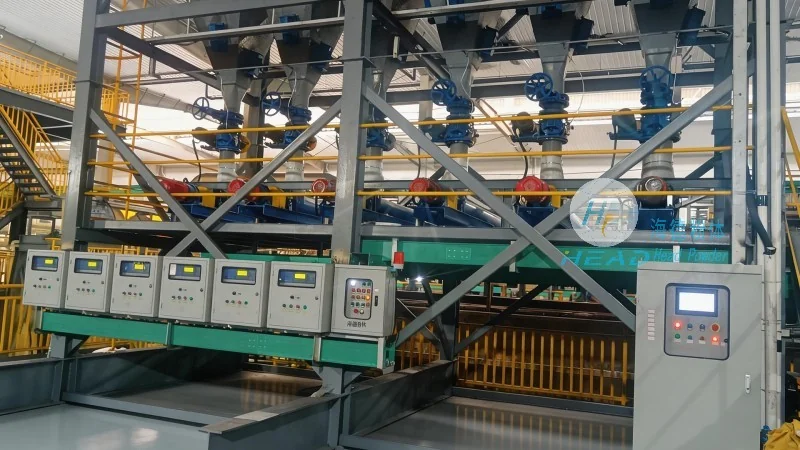
Understanding Crystalline Powders and Their Handling Needs
Crystalline powders are solid materials composed of ordered atomic or molecular structures, often with a high degree of purity and specific physical properties. Examples include pharmaceuticals, food additives, and chemical intermediates. Due to their fine particle size and cohesive nature, these powders can be challenging to handle. Traditional methods may lead to issues such as caking, bridging, or uneven flow, which can compromise product quality and process efficiency. Therefore, specialized equipment is essential to ensure consistent performance and maintain the material's characteristics throughout the handling process.
Key Design Principles for Crystalline Powder Handling Equipment
The design of crystalline powder handling equipment is guided by several critical principles aimed at optimizing performance and safety. First, the equipment must minimize particle attrition and degradation, which can alter the powder's properties. This is achieved through gentle handling mechanisms, such as low-speed conveying and smooth surfaces to prevent abrasion. Second, the design focuses on preventing agglomeration and bridging by incorporating features like vibration, air-assisted flow, or specialized hopper designs. These features ensure uniform flow and prevent blockages in the system. Third, the equipment is constructed from materials compatible with the crystalline powders being handled, avoiding contamination and ensuring chemical resistance. Additionally, the design emphasizes ease of cleaning and maintenance to maintain hygiene standards, particularly in industries like pharmaceuticals and food processing.
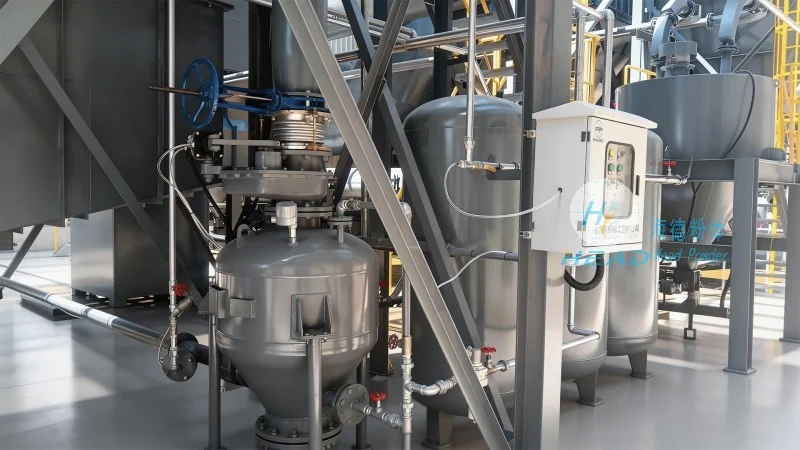
Components and Functionalities of Crystalline Powder Handling Systems
Crystalline powder handling systems typically consist of several interconnected components, each playing a vital role in the overall operation. The primary components include hoppers, feeders, conveyors, and storage vessels. Hoppers are designed with specific geometries, such as conical or wedge-shaped, to promote uniform flow and prevent stagnant zones that could lead to agglomeration. Feeders, often rotary or vibratory types, control the rate of material discharge from the hopper, ensuring a consistent flow rate. Conveyors, such as pneumatic or mechanical systems, transport the powder from one location to another, with pneumatic systems being particularly effective for fine powders due to their ability to handle low concentrations and minimize particle breakage. Storage vessels are equipped with agitators or internal baffles to maintain material mobility and prevent settlement.

Applications and Industries Utilizing Crystalline Powder Handling Equipment
Crystalline powder handling equipment is widely used across various industries, where the precise handling of fine, cohesive powders is critical. In the pharmaceutical industry, these systems are essential for processing active pharmaceutical ingredients (APIs) and excipients, ensuring that the final product meets strict purity and consistency standards. The food industry also relies on such equipment for handling food additives, flavorings, and supplements, maintaining product quality and safety. Chemical manufacturing utilizes crystalline powder handling systems for processing intermediates and specialty chemicals, where consistent flow and minimal degradation are essential for downstream processes. Additionally, the cosmetics and personal care industries use these systems for handling ingredients like pigments and powders, ensuring uniformity in final products.
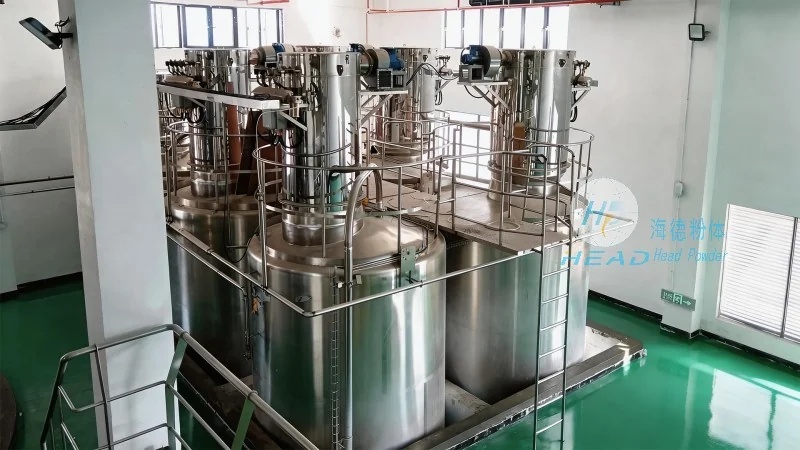
Advantages of Using Specialized Crystalline Powder Handling Equipment
Investing in specialized crystalline powder handling equipment offers numerous advantages over traditional methods. The primary benefit is improved product quality and consistency, as the equipment minimizes particle degradation and agglomeration. This leads to more uniform end products, reducing batch-to-batch variability. Second, the equipment enhances operational efficiency by ensuring smooth and continuous material flow, reducing downtime caused by blockages or clogging. This improves overall productivity and reduces maintenance costs. Third, specialized equipment improves safety by preventing dust explosions and other hazards associated with fine powders. The design incorporates features like explosion-proof components and dust collection systems to mitigate risks. Finally, the equipment is designed for easy cleaning and maintenance, which is crucial in industries with strict hygiene regulations, such as pharmaceuticals and food processing. This reduces downtime for cleaning and ensures compliance with regulatory standards.
Conclusion: The Importance of Proper Design and Handling
Crystalline powder handling equipment is a critical component in industries that rely on fine, cohesive powders. The design principles and components of these systems are tailored to address the unique challenges of handling crystalline materials, ensuring efficient, safe, and consistent operation. By investing in specialized equipment, companies can improve product quality, enhance operational efficiency, and maintain compliance with industry standards. As the demand for high-purity crystalline powders continues to grow, the importance of proper handling and processing will only increase, making specialized equipment an essential investment for any industrial operation.