

What is Lancoal Powder Conveying Equipment? What are its Design Principles?
Lancoal powder conveying equipment is a specialized system engineered for the efficient handling and transportation of lancoal powder, a fine particulate material commonly used in industrial applications. As a key component in material processing, this equipment ensures reliable and consistent performance in various production environments. The design principles behind such systems are crucial for optimizing operational efficiency, minimizing material loss, and ensuring safety in handling powders. Developed by Shandong HeadPowder Engineering Co., Ltd., a leading manufacturer based in China, this equipment combines advanced engineering with robust construction to meet the demanding requirements of modern industrial applications.
Key Components and Structural Design
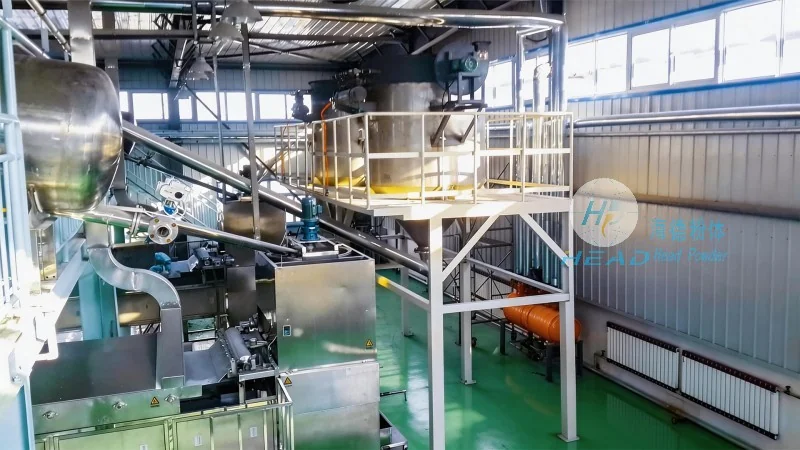
The lancoal powder conveying equipment typically consists of several core components that work in tandem to facilitate the movement of powder. These include a hopper for material storage, a feeder mechanism to control the flow rate, a conveyor system (such as a screw or pneumatic conveyor) to transport the powder, and a control panel for monitoring and adjusting operations. The structural design emphasizes durability and resistance to corrosion, as lancoal powder can be abrasive and may contain moisture or other contaminants that could affect equipment longevity. The hopper is often made from high-strength materials like stainless steel or reinforced plastic to prevent material degradation and ensure consistent feeding. The feeder, usually a rotary valve or a vibratory feeder, regulates the flow of powder into the conveyor, preventing overloading and ensuring smooth operation. The conveyor system, whether mechanical or pneumatic, is designed to handle the specific characteristics of lancoal powder, including its particle size, density, and flowability. For example, pneumatic conveyors use air pressure to move the powder through a pipeline, which is effective for fine powders that are prone to caking or bridging. Mechanical conveyors, on the other hand, rely on mechanical forces like screws or belts to transport the material, offering higher capacity and lower energy consumption for bulk material handling.
Working Principle and Operational Mechanism
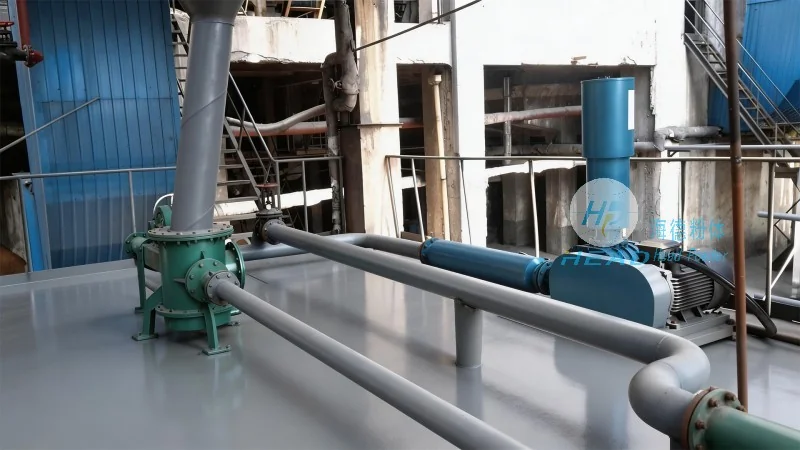
The operational mechanism of lancoal powder conveying equipment is based on the principles of fluidization and pneumatic transport. In pneumatic systems, the powder is suspended in a stream of air and transported through a pipeline. The air velocity is carefully controlled to maintain the powder in a suspended state, preventing it from settling or clogging the system. The feeder introduces the lancoal powder into the pipeline at a controlled rate, and the air flow ensures that the powder moves efficiently to the destination. The system includes filters and cyclones to separate the powder from the air at the discharge point, allowing for clean air release and powder recovery. Mechanical systems, such as screw conveyors, use rotating screws to push the powder forward. The screw design, including the pitch and diameter, is optimized to handle the specific properties of lancoal powder, ensuring minimal friction and material degradation. The control panel monitors parameters like pressure, flow rate, and temperature, allowing operators to adjust the system in real-time to maintain optimal performance. Safety features, such as pressure relief valves and overfill protection, are integrated into the design to prevent accidents and equipment damage.
Design Considerations for Efficiency and Reliability
Designing lancoal powder conveying equipment requires careful consideration of several factors to ensure high efficiency and reliability. First, the material properties of lancoal powder must be thoroughly understood. This includes its particle size distribution, density, moisture content, and flow characteristics. These properties determine the appropriate conveyor type and operating parameters. For instance, if the powder is fine and prone to caking, a pneumatic system with a high air velocity and a cyclone separator is more suitable. Conversely, if the powder is coarse and has good flowability, a mechanical screw conveyor may be more efficient. Second, the system must be designed to minimize material loss and contamination. This involves using sealed components, proper sealing of joints, and regular maintenance to prevent powder leakage. The hopper and feeder are designed with smooth surfaces and minimal dead zones to prevent material accumulation and caking. Third, energy efficiency is a critical consideration. The design should optimize the use of energy, such as by using variable speed drives for the conveyor and feeder, which adjust the speed based on the material flow rate. This reduces energy consumption and operating costs. Fourth, safety is paramount. The equipment must comply with industry standards for powder handling, including explosion-proof designs for pneumatic systems and proper grounding to prevent static buildup. The control panel includes safety interlocks that stop the system in case of abnormal conditions, such as overpressure or blockage.
Applications and Industrial Use Cases
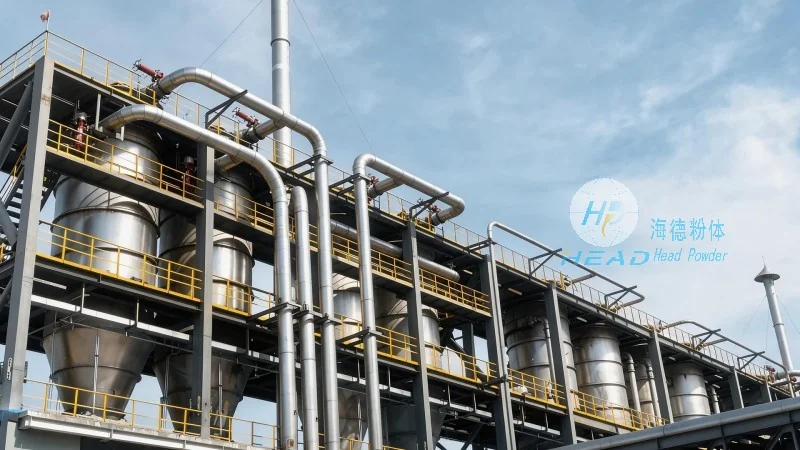
Lancoal powder conveying equipment is widely used in various industrial sectors where fine powder handling is essential. In the chemical industry, it is used for transporting lancoal powder in the production of fertilizers, pigments, and other chemical products. The equipment ensures that the powder is delivered to reactors and mixers without loss or contamination. In the food industry, it is used for handling lancoal-based ingredients in food processing, such as in the production of snacks or beverages. The equipment must meet food safety standards, with materials that are non-toxic and easy to clean. In the mining and mineral processing industry, it is used for transporting lancoal powder from storage to processing units. The equipment is designed to handle the abrasive nature of the material and the high volume of material that needs to be moved. In the power generation industry, lancoal powder is used as a fuel in coal-fired power plants. The conveying equipment ensures that the powder is delivered to the boilers efficiently and reliably, contributing to the overall performance of the power plant. Each application requires a customized design to meet the specific requirements of the process, ensuring that the equipment operates optimally and safely.
Maintenance and Operational Best Practices
Proper maintenance and operational practices are essential to ensure the long-term performance and reliability of lancoal powder conveying equipment. Regular maintenance includes cleaning the hopper and feeder to prevent material buildup and caking, inspecting the conveyor system for wear and tear, and checking the air filters and cyclones for blockage. The control panel should be checked regularly to ensure that all sensors and controls are functioning correctly. Operational best practices include starting the system with the feeder off to prevent overloading the conveyor, gradually increasing the flow rate to avoid sudden pressure changes, and monitoring the system for any signs of abnormal operation, such as increased noise or pressure drops. Training operators on the proper use and maintenance of the equipment is also crucial. This includes understanding the material properties, operating parameters, and safety features of the system. By following these best practices, the equipment can operate efficiently and reliably, minimizing downtime and maintenance costs. HeadPowder, with its headquarters in Shandong, China, provides comprehensive support and maintenance services to ensure that its equipment continues to perform at optimal levels for its clients.