

What is a Cement Additive Powder Conveying System? And What Are Its Design Principles?
Cement additive powder conveying systems are critical components in the modern cement production and processing industry. These systems are designed to efficiently transport various types of powder additives, such as fly ash, slag, and limestone, which are essential for optimizing cement quality and reducing production costs. Understanding the functionality and design principles of such systems is vital for engineers and industry professionals involved in cement manufacturing.
Introduction to Cement Additive Powder Conveying Systems
A cement additive powder conveying system is a specialized setup that facilitates the movement of fine powder materials from storage silos or raw material processing units to the main cement production lines. The primary goal of these systems is to ensure a consistent and reliable supply of additives, which are crucial for adjusting the physical and chemical properties of cement. The system typically includes components like silos, feeders, conveyors, and control systems, all working in tandem to maintain the flow of materials under controlled conditions.
Key Components of a Cement Additive Powder Conveying System
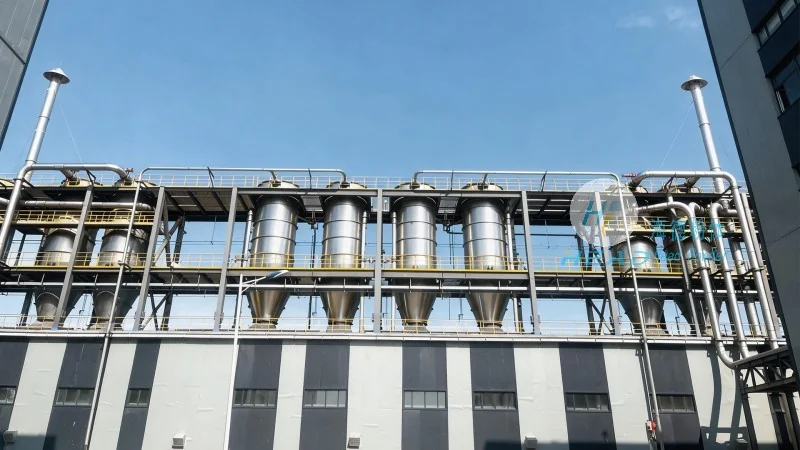
The design of a cement additive powder conveying system involves several key components, each serving a specific function in the overall process. The first component is the storage silo, which is used to store the powder additives in bulk. These silos are usually made of steel or concrete and are equipped with airtight seals to prevent moisture absorption and material degradation. The silos are often equipped with level sensors and pressure monitoring devices to ensure safe and efficient material handling.
Next, the system includes a feeder, which is responsible for controlling the flow rate of the powder from the silo to the conveyor. Common types of feeders used in cement additive systems include screw feeders, rotary valves, and vibratory feeders. The choice of feeder depends on the properties of the powder, such as its density, flowability, and moisture content. The feeder is connected to a conveyor system, which can be either a pneumatic conveyor or a mechanical conveyor, depending on the system design.
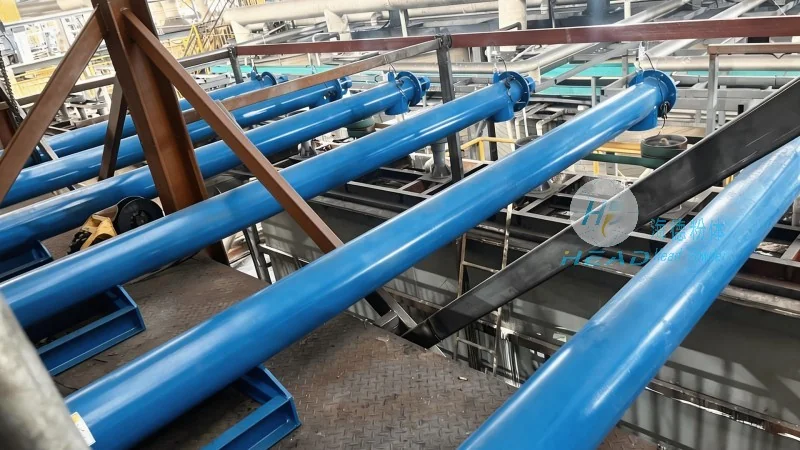
The conveyor system is the core of the powder conveying process. Pneumatic conveyors use air pressure to move the powder through a pipeline, while mechanical conveyors use belts, chains, or buckets to transport the material. The selection of the conveyor type is determined by factors like the distance to be covered, the volume of material to be transported, and the required flow rate. In many cement additive systems, a combination of both pneumatic and mechanical conveyors is used to achieve optimal performance.
Design Principles for Efficient Powder Conveying
The design of a cement additive powder conveying system follows several fundamental principles to ensure efficiency, reliability, and safety. One of the primary principles is the maintenance of a consistent flow rate. This is achieved by using precise control mechanisms in the feeder and conveyor systems, which can adjust the flow based on real-time monitoring of the material level and pressure in the silos. Consistent flow is crucial for maintaining the quality of the cement produced, as fluctuations in additive content can affect the final product's properties.
Another important design principle is the prevention of material degradation and caking. Powder additives, especially those with high moisture content or fine particle sizes, are prone to clumping and degradation if not handled properly. To address this, the system incorporates features like temperature control, moisture monitoring, and anti-caking agents. The silos are often equipped with heating elements to prevent moisture buildup, and the conveyor lines are designed with smooth surfaces and proper slope angles to minimize friction and material buildup.
Energy efficiency is also a key consideration in the design of cement additive powder conveying systems. Modern systems incorporate energy-saving technologies, such as variable frequency drives (VFDs) for the conveyor motors, which adjust the motor speed based on the required flow rate. This reduces energy consumption compared to traditional systems with fixed-speed motors. Additionally, the use of efficient pneumatic conveying systems with low-pressure air consumption helps minimize operational costs.
System Integration and Control
A well-designed cement additive powder conveying system is integrated with the overall cement production process, allowing for seamless coordination with other units like the raw mill, clinker grinding, and packaging. The system is typically controlled by a centralized control system, which monitors all components and adjusts parameters in real time. This integration ensures that the additive flow is synchronized with the production schedule, preventing bottlenecks and ensuring a steady output of cement.
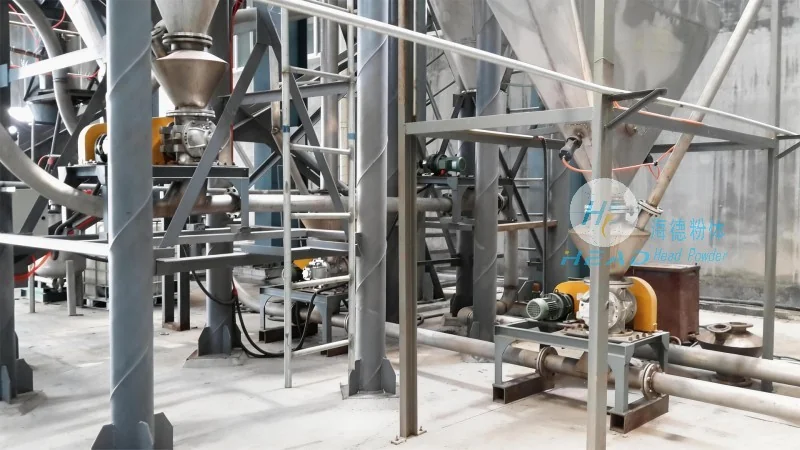
The control system includes sensors and actuators that provide feedback on the system's performance. For example, level sensors in the silos send signals to the feeder to adjust the flow rate, while pressure sensors in the conveyor lines detect blockages or air leaks. The control system can also be programmed with safety features, such as automatic shutdown in case of overpressure or material overload, to prevent accidents and equipment damage.
Applications and Benefits of Cement Additive Powder Conveying Systems
Cement additive powder conveying systems are widely used in the cement industry for transporting various types of additives, including fly ash, ground granulated blast furnace slag (GGBS), limestone, and pozzolanic materials. These additives are used to modify the properties of cement, such as its strength, setting time, and durability. By efficiently conveying these materials, the system helps cement manufacturers achieve higher production efficiency and lower costs.
The benefits of using a well-designed cement additive powder conveying system include improved product quality, reduced material waste, and enhanced operational safety. The consistent flow of additives ensures that the cement produced meets the required standards, while the control systems minimize the risk of overloading or underflow. Additionally, the energy-efficient design of modern systems helps reduce the carbon footprint of cement production, aligning with global sustainability goals.
Conclusion
In conclusion, cement additive powder conveying systems are essential for the efficient and reliable operation of cement production facilities. The design of these systems involves careful consideration of various components and principles to ensure optimal performance. By integrating advanced control technologies and energy-saving features, modern systems provide significant benefits to cement manufacturers, including improved product quality, reduced costs, and enhanced safety. Companies like Shandong HeadPowder Engineering Co., Ltd., based in China, specialize in designing and manufacturing such systems, providing tailored solutions to meet the specific needs of cement production plants.