

What is a Perlite Powder Conveying System? And What Are Its Design Principles?
Perlite powder conveying systems are specialized industrial solutions designed to handle the unique challenges of transporting perlite powder, a lightweight, volcanic glass material commonly used in insulation, horticulture, and other applications. As a key component in many industrial processes, efficient and reliable powder handling is crucial for maintaining product quality and operational efficiency. This article explores the fundamental aspects of perlite powder conveying systems, focusing on their design principles and the technology that enables seamless material transport.
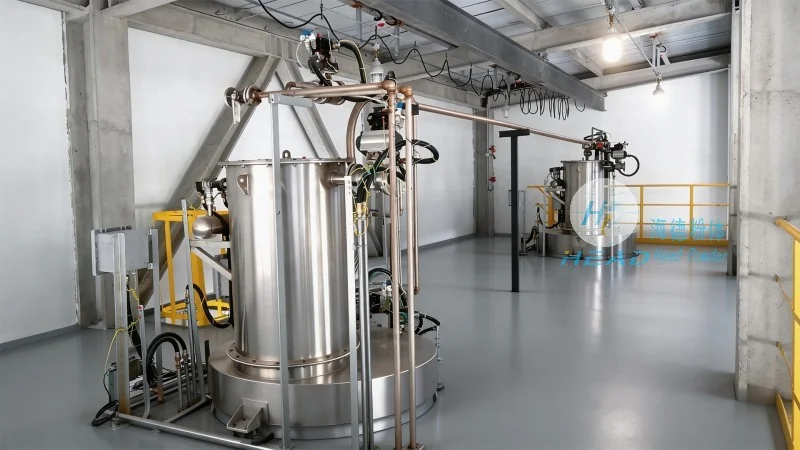
Understanding Perlite Powder and Its Handling Requirements
Perlite is a naturally occurring mineral that expands when heated, resulting in a lightweight, porous structure. This characteristic makes it an ideal material for insulation, soil amendment, and other uses where lightweight, stable particles are required. However, perlite powder is also known for its fine particle size and tendency to create dust, which can pose challenges during handling and transport. Traditional methods of conveying such powders often lead to issues like clogging, segregation, and loss of material due to the material's light weight and low density. To address these challenges, specialized conveying systems have been developed, tailored to the unique properties of perlite powder.
Key Design Principles of Perlite Powder Conveying Systems
The design of a perlite powder conveying system is centered on several critical principles that ensure efficient and safe material transport. These principles include maintaining consistent air flow, preventing material degradation, and minimizing dust generation. One of the most common technologies used in such systems is the positive pressure or negative pressure pneumatic conveying, which uses air to move the powder through a network of pipes. The system's design must account for the material's low bulk density, ensuring that the air velocity is sufficient to keep the particles suspended without causing excessive wear on equipment. Additionally, the system incorporates features like cyclone separators and filters to separate the powder from the air stream, preventing contamination and ensuring product purity.
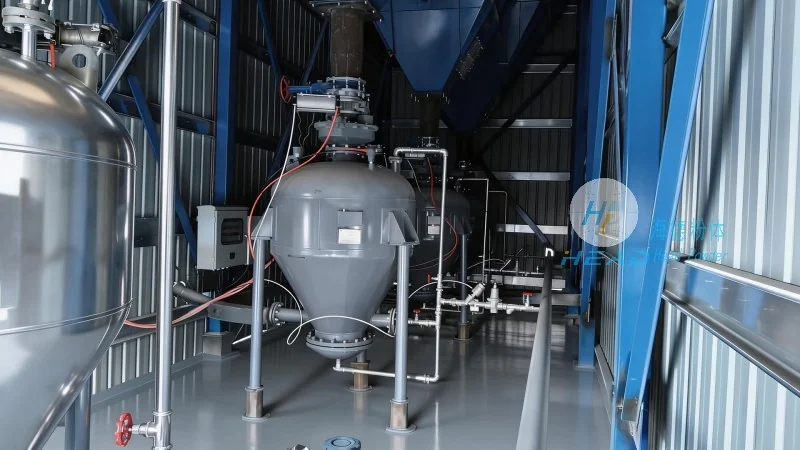
Components and Functionality of a Typical System
A standard perlite powder conveying system typically consists of several key components, each playing a vital role in the overall operation. The system begins with a hopper or silo that stores the perlite powder, equipped with a feeder to control the flow rate. The feeder, often a rotary valve or a screw conveyor, ensures a consistent and controlled discharge of the material into the conveying line. The conveying line itself is made of materials resistant to abrasion and corrosion, such as stainless steel or special plastic, to withstand the abrasive nature of perlite particles. The air supply system, which may include a blower or a vacuum pump, provides the necessary pressure or suction to move the powder through the pipes. At the end of the line, a receiver or a storage tank collects the material, and a dust collection system, such as a baghouse or an electrostatic precipitator, captures any residual dust to maintain environmental compliance and product quality.
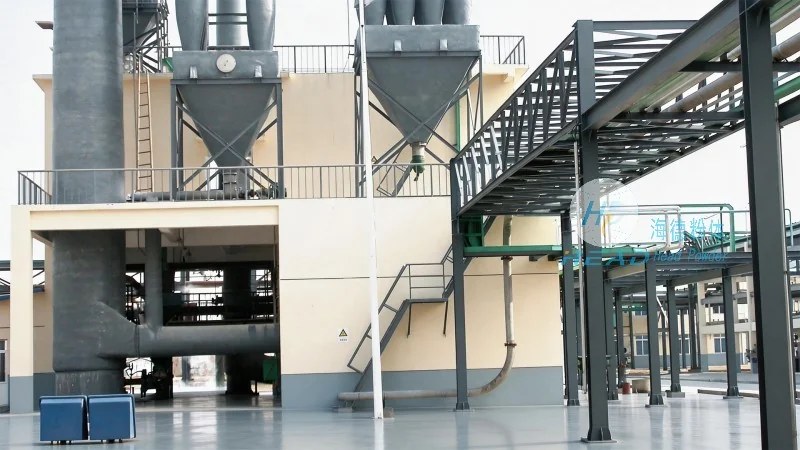
Advantages of Using a Specialized Conveying System for Perlite
Implementing a specialized perlite powder conveying system offers numerous advantages over traditional methods. First and foremost, it significantly improves material handling efficiency by reducing downtime caused by clogging or segregation. The system's design minimizes the risk of material degradation, ensuring that the perlite retains its desired properties, such as light weight and porosity. Additionally, the enclosed system helps to control dust emissions, improving workplace safety and environmental compliance. The consistent flow of material also enhances process control, allowing for better integration with downstream processes like mixing or packaging. For industries that rely on perlite as a key ingredient, such as insulation manufacturers or horticultural suppliers, investing in a specialized conveying system can lead to cost savings and increased productivity.
Conclusion and Company Overview
Perlite powder conveying systems are essential for industries that require efficient and reliable handling of this lightweight, porous material. By adhering to design principles that address the unique challenges of perlite, these systems ensure optimal performance, product quality, and operational safety. Shandong HeadPowder Engineering Co., Ltd., a leading provider of industrial powder handling solutions, specializes in designing and manufacturing such systems tailored to the specific needs of their clients. With a focus on innovation and quality, HeadPowder has established itself as a trusted partner in the industry, providing solutions that enhance productivity and reduce operational costs. Based in Shandong, China, the company leverages its expertise and local resources to deliver high-performance conveying systems that meet the demands of modern industrial applications.