

What is a quartz sand powder pneumatic conveying system? What is its design principle?
Quartz sand powder pneumatic conveying systems represent a critical technology in material handling, particularly for transporting fine powders like quartz sand. These systems utilize air as the primary medium to move bulk materials through a network of pipes and components. The core function is to efficiently transfer quartz sand powder from a source to a destination, often in industrial settings such as glass manufacturing, ceramics production, and construction material processing. The design of such systems is tailored to handle the unique properties of quartz sand, including its particle size, density, and flow characteristics, ensuring reliable and consistent operation.
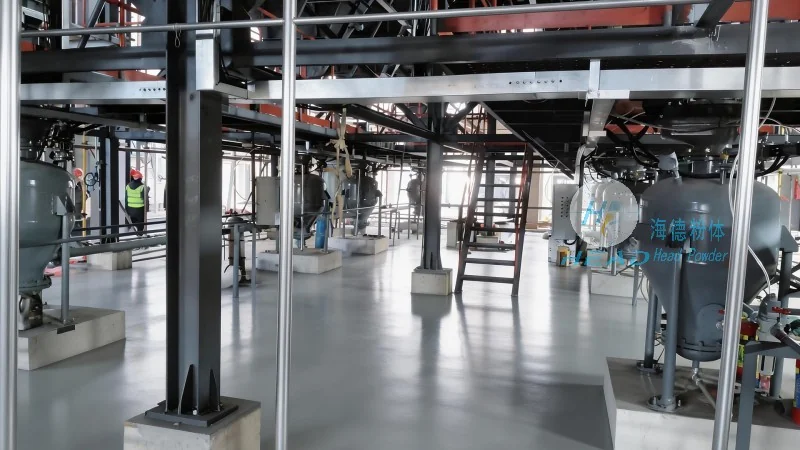
About HeadPowder: A Leading Manufacturer of Pneumatic Conveying Solutions
HeadPowder, or Shandong HeadPowder Engineering Co., Ltd., is a prominent enterprise based in Shandong, China, specializing in the research, development, and manufacturing of advanced pneumatic conveying systems. With a strong commitment to innovation and quality, the company has established itself as a trusted provider of customized solutions for various industrial applications. HeadPowder’s expertise lies in designing systems that meet the specific demands of clients, ensuring optimal performance, durability, and compliance with industry standards. The company’s facilities in Shandong are equipped with state-of-the-art technology and skilled professionals who work closely with clients to deliver tailored solutions.
The Design Principles of Quartz Sand Powder Pneumatic Conveying Systems
The design of a quartz sand powder pneumatic conveying system is based on the fundamental principles of fluidization and air movement. The system typically consists of several key components, each playing a crucial role in the overall operation. The primary components include a material feeder, which controls the flow of quartz sand powder into the system; a conveying line, which transports the material through the pipeline; a separation unit, which separates the material from the air stream; and a blower or compressor, which provides the necessary air pressure to drive the material. The choice between different types of pneumatic conveying systems—such as suction (or vacuum) systems and pressure systems—depends on factors like the distance to be covered, the volume of material to be transported, and the required air pressure.
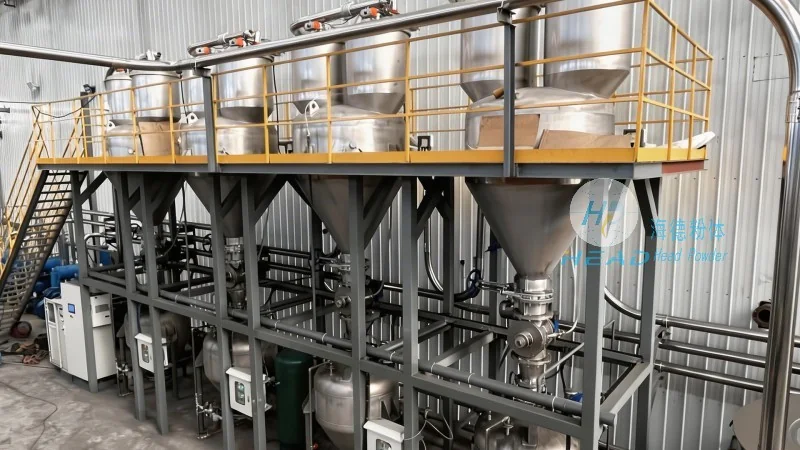
For quartz sand powder, a suction system is often preferred when the material needs to be transported over short to medium distances, as it can handle relatively low air pressures and is suitable for applications where the material source is at a lower elevation than the destination. In contrast, a pressure system is more suitable for longer distances or when the material source is at a higher elevation, as it operates at higher air pressures and can handle larger volumes of material. The design of the system also considers the particle size distribution of the quartz sand, as finer particles may require additional measures, such as pre-drying or the use of special filters, to prevent clogging and ensure efficient transport.
Key Components and Their Functions in the System
Each component of a quartz sand powder pneumatic conveying system is carefully engineered to ensure optimal performance. The material feeder, often a rotary valve or a star feeder, is responsible for regulating the flow rate of quartz sand powder into the system. This component ensures that the material is fed at a consistent rate, preventing overloading or underloading of the conveying line. The conveying line, typically made of stainless steel or other corrosion-resistant materials, is designed to withstand the pressure and temperature of the air and material flow. The line is usually equipped with bends and elbows that are optimized to minimize pressure loss and maintain the flow of material.
The separation unit, which may include a cyclone separator or a baghouse filter, is critical for separating the quartz sand powder from the air stream. The cyclone separator uses centrifugal force to separate the heavier particles from the air, while the baghouse filter captures fine particles using fabric filters. The separated material is then discharged into a collection bin or storage tank, while the cleaned air is either vented to the atmosphere or recirculated back into the system. The blower or compressor provides the necessary air pressure to drive the material through the system. The choice of equipment depends on the required air volume and pressure, with options ranging from rotary lobe blowers to centrifugal compressors.
Applications and Benefits of Quartz Sand Powder Pneumatic Conveying Systems
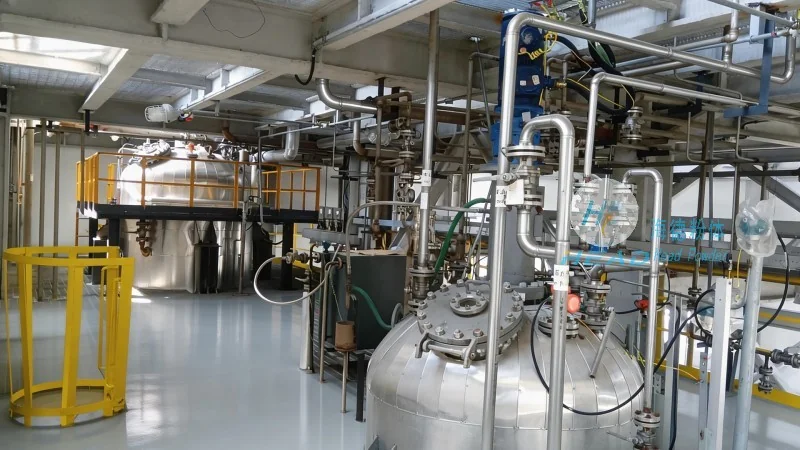
Quartz sand powder pneumatic conveying systems are widely used in various industries due to their efficiency and adaptability. In the glass industry, for example, quartz sand is a primary raw material used to produce glass. The pneumatic conveying system allows for the efficient transport of quartz sand from storage silos to the glass melting furnace, ensuring a consistent supply of material. In the ceramics industry, quartz sand is used as a filler or abrasive material, and the system helps in transporting it to production lines. In construction, quartz sand is used in concrete and mortar, and the system can be used to transport it from storage to mixing sites.
The benefits of using a pneumatic conveying system for quartz sand powder are numerous. First, it eliminates the need for traditional bulk handling methods, such as trucks or conveyor belts, which can be costly and inefficient. Second, it reduces dust emissions, improving workplace safety and environmental compliance. Third, it allows for long-distance transport without the need for intermediate storage, which can save space and reduce operational costs. Fourth, the system can be automated, with controls that adjust the flow rate and pressure based on real-time conditions, ensuring optimal performance.