

What is a Pyrolysis Char Pneumatic Conveying System Equipment? And What Are Its Design Principles?
Pyrolysis char, also known as biochar, is a carbon-rich material produced through the thermal decomposition of organic matter in an oxygen-limited environment. This material is widely used in various industries, including agriculture, environmental remediation, and energy applications. To efficiently transport pyrolysis char from production sites to processing or storage facilities, specialized equipment is required. The pyrolysis char pneumatic conveying system is a key solution for this purpose, offering an effective and reliable method for material handling.
Introduction to Pyrolysis Char Pneumatic Conveying Systems
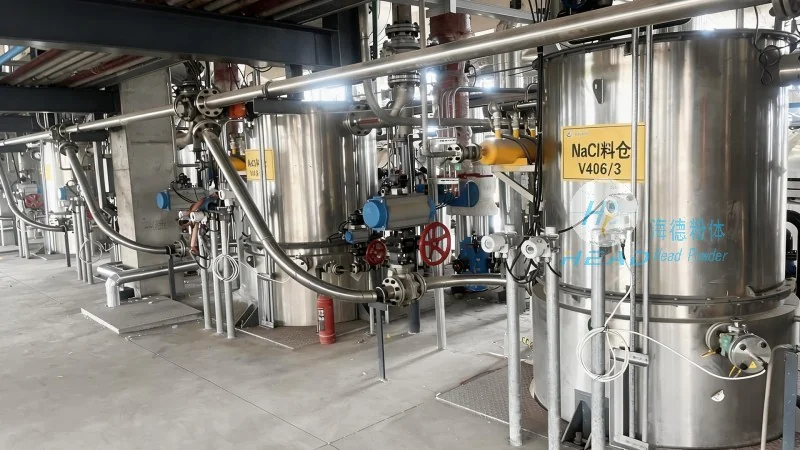
A pyrolysis char pneumatic conveying system is a type of equipment designed to transport pyrolysis char using a gas stream, typically air or a combination of air and other gases. This system is an alternative to traditional mechanical conveying methods, such as screw conveyors or belt conveyors, which may be less suitable for handling fine, powdery materials like pyrolysis char. The pneumatic conveying system utilizes the principles of fluidization and gas-solid flow to move the material through a pipeline network.
Components of a Pyrolysis Char Pneumatic Conveying System
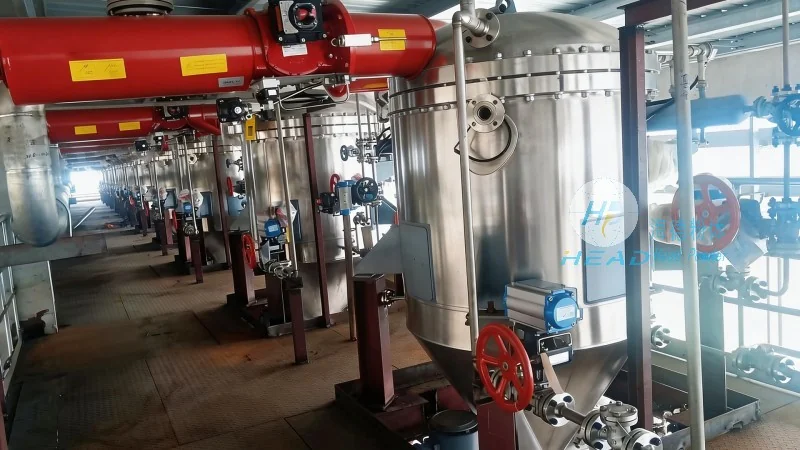
The pyrolysis char pneumatic conveying system consists of several key components that work together to ensure efficient material transport. These components include a material feeder, a conveying line (pipeline), a pressure vessel or receiver, a gas source (usually a blower or compressor), and control valves. The material feeder is responsible for feeding the pyrolysis char into the conveying line at a controlled rate. The conveying line is typically made of stainless steel or other corrosion-resistant materials to withstand the abrasive nature of the char and the corrosive effects of any gases used. The pressure vessel or receiver is used to collect the conveyed material and maintain the system's pressure. The gas source provides the necessary airflow to move the material through the pipeline. Control valves are used to regulate the flow of gas and material, ensuring smooth operation and preventing blockages.
Design Principles of Pyrolysis Char Pneumatic Conveying Systems
The design of a pyrolysis char pneumatic conveying system is based on several fundamental principles to ensure optimal performance and efficiency. The first principle is the selection of the appropriate gas velocity. The gas velocity must be high enough to keep the char particles suspended in the gas stream and prevent them from settling or clogging the pipeline. However, if the velocity is too high, it can lead to excessive wear on the system components and higher energy consumption. The second principle is the proper sizing of the conveying line. The diameter and length of the pipeline are critical factors that affect the system's capacity and pressure drop. The third principle is the use of appropriate materials for the system components. Since pyrolysis char can be abrasive and may contain corrosive substances, the materials used for the feeder, pipeline, and pressure vessel must be resistant to wear and corrosion. The fourth principle is the incorporation of safety features, such as pressure relief valves and explosion-proof components, to ensure the system operates safely under all conditions.
Advantages of Using a Pyrolysis Char Pneumatic Conveying System
There are several advantages to using a pyrolysis char pneumatic conveying system for material transport. One of the main advantages is the ability to handle fine, powdery materials like pyrolysis char without the need for additional equipment, such as classifiers or screens. This reduces the overall system complexity and cost. Another advantage is the flexibility of the system, as it can be easily expanded or modified to accommodate changes in production capacity or material characteristics. The system also offers a high degree of automation, with control systems that can monitor and adjust the flow of gas and material in real-time. This ensures consistent performance and reduces the risk of human error. Additionally, the pneumatic conveying system is relatively low maintenance compared to mechanical conveying systems, as it has fewer moving parts and is less prone to wear and tear.
Applications of Pyrolysis Char Pneumatic Conveying Systems
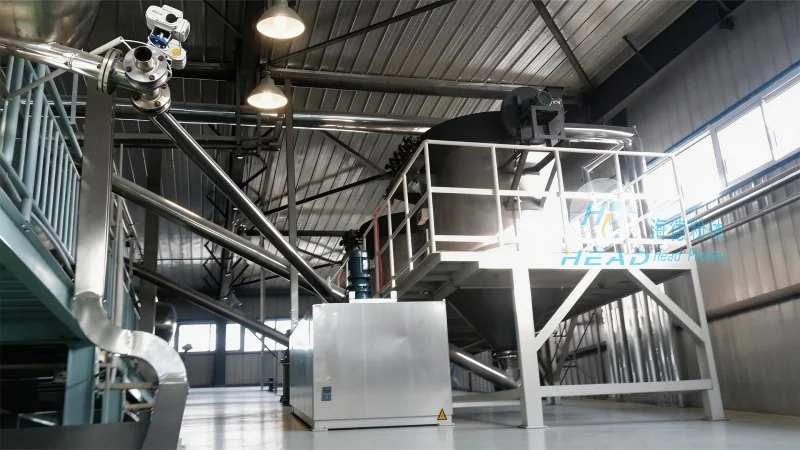
Pyrolysis char pneumatic conveying systems are used in a variety of applications across different industries. In the agricultural sector, the system is used to transport pyrolysis char to farms or processing facilities for use as a soil amendment or fertilizer. In the environmental remediation sector, the system is used to transport pyrolysis char to sites for use in soil remediation or carbon sequestration projects. In the energy sector, the system is used to transport pyrolysis char to power plants or other energy facilities for use as a fuel or feedstock. The system is also used in research and development applications, where it is used to transport pyrolysis char for testing and analysis.
Conclusion
In conclusion, a pyrolysis char pneumatic conveying system is an essential piece of equipment for efficiently transporting pyrolysis char from production sites to processing or storage facilities. The system is designed based on several fundamental principles, including the selection of appropriate gas velocity, proper pipeline sizing, use of corrosion-resistant materials, and incorporation of safety features. The system offers several advantages, including the ability to handle fine materials, flexibility, automation, and low maintenance. It is used in a variety of applications across different industries, including agriculture, environmental remediation, and energy. As the demand for pyrolysis char increases, the importance of efficient material transport systems like the pneumatic conveying system will continue to grow.