

What is a Dilute Phase Pneumatic Conveying System? And What Are Its Design Principles?
Understanding the fundamentals of dilute phase pneumatic conveying systems is crucial for industries that rely on efficient material handling solutions. This technology offers a versatile and effective method for transporting bulk materials over long distances with minimal maintenance requirements. In this article, we will explore what a dilute phase pneumatic conveying system is and delve into its core design principles, providing a comprehensive overview for professionals in the field.
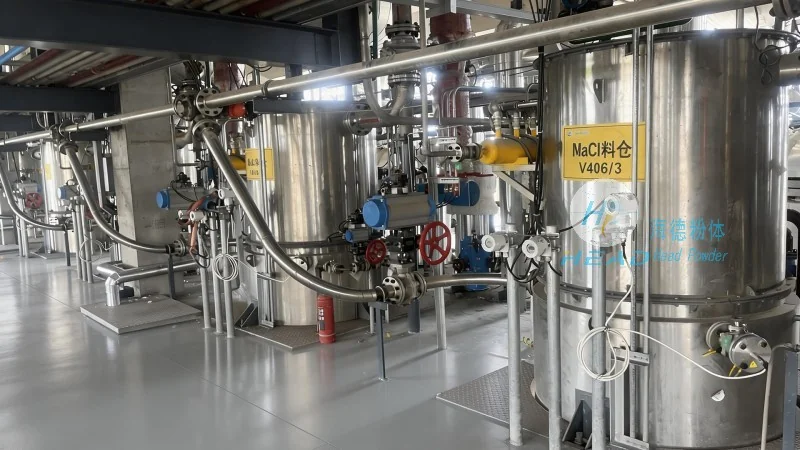
Introduction to Dilute Phase Pneumatic Conveying Systems
A dilute phase pneumatic conveying system is a type of material handling equipment that uses compressed air to transport dry bulk materials in a dispersed state. Unlike dense phase systems, where material is conveyed in a slurry or semi-solid form, dilute phase systems operate with a low solid-to-air ratio, typically ranging from 0.1 to 0.5 kg of material per kg of air. This method is particularly suitable for transporting materials that are non-abrasive, non-corrosive, and free-flowing, such as powders, granules, and fine particles. The system consists of several key components, including a blower or compressor, a hopper for material storage, a conveying line, and a receiver for material discharge. The compressed air is introduced into the conveying line, creating a low-pressure environment that draws the material into the system and propels it to the destination.
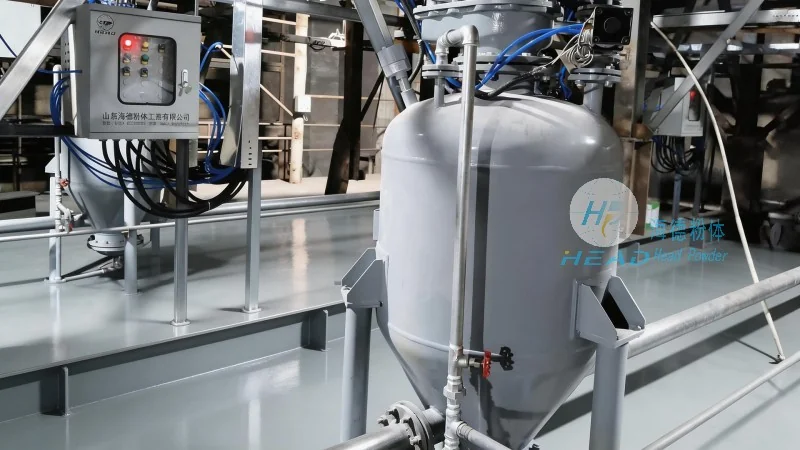
Key Design Principles of Dilute Phase Pneumatic Conveying Systems
The design of a dilute phase pneumatic conveying system is governed by several critical principles that ensure optimal performance and efficiency. The first principle is the selection of the appropriate air velocity, which must be sufficient to keep the material particles suspended in the air stream. The air velocity is typically calculated based on the material's properties, such as particle size, density, and flowability. A common rule of thumb is to maintain an air velocity of at least 20-30 meters per second to prevent particle settling and ensure smooth transport. The second principle is the proper sizing of the conveying line, which must be large enough to accommodate the material flow without causing excessive pressure drops. The line diameter is determined by the required flow rate and the air velocity, and it is usually chosen from standard sizes to ensure compatibility with other system components.
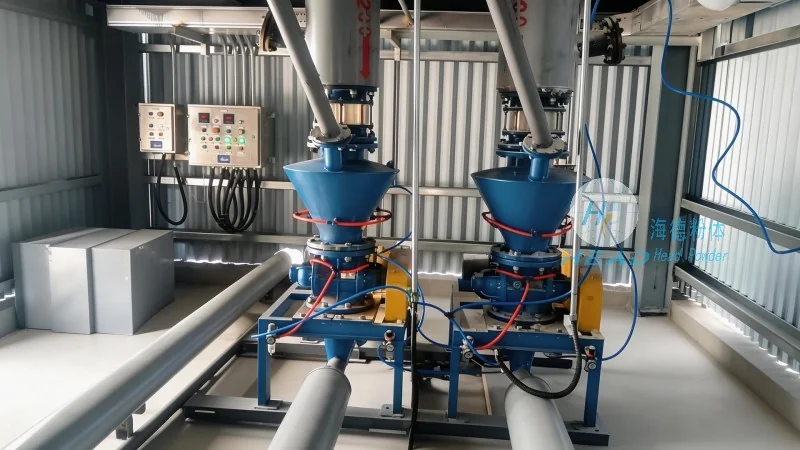
The third design principle is the selection of the blower or compressor, which provides the necessary air pressure and flow rate. The choice of equipment depends on the system's capacity and the material's characteristics. For example, centrifugal blowers are commonly used for low to medium pressure applications, while positive displacement blowers are preferred for higher pressure requirements. The compressor must be capable of delivering the required air volume at the specified pressure, and it should be equipped with appropriate filters and moisture separators to maintain air quality and prevent material contamination. The fourth principle is the proper design of the hopper and receiver, which must be constructed to handle the material's properties and prevent material buildup or blockages. The hopper should have a sloped bottom to facilitate material discharge and may include a vibratory feeder or rotary valve to control the material flow rate. The receiver, on the other hand, should be designed to collect the conveyed material efficiently and may include a dust collection system to capture any fine particles that escape during the process.
Applications and Benefits of Dilute Phase Pneumatic Conveying Systems
Dilute phase pneumatic conveying systems are widely used in various industries due to their versatility and efficiency. They are commonly employed in the chemical, pharmaceutical, food, and agricultural sectors for transporting materials such as powders, granules, and fine particles. The primary benefits of these systems include high transport capacity, minimal material degradation, and the ability to handle materials over long distances without the need for intermediate storage or handling. Additionally, dilute phase systems are relatively easy to install and maintain, with fewer moving parts compared to other material handling equipment. This reduces downtime and maintenance costs, making them a cost-effective solution for many industrial applications. Another advantage is the ability to transport materials in a closed system, which helps to prevent dust emissions and maintain a clean working environment. This is particularly important in industries where dust control is a regulatory requirement or where product purity is critical.
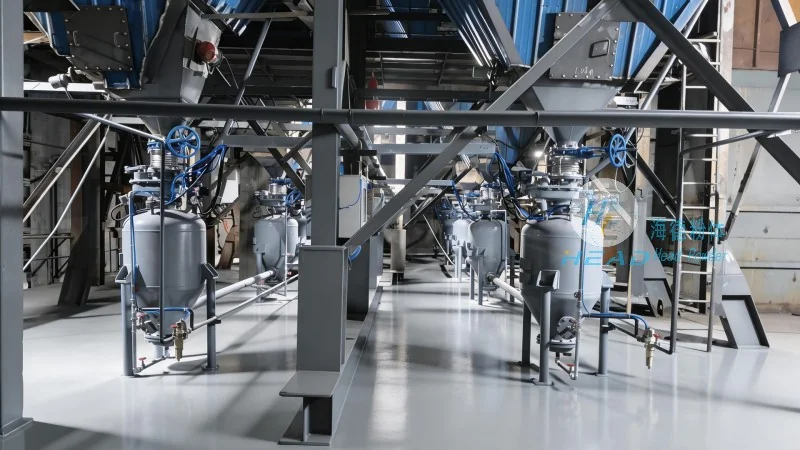
Company Information: Shandong HeadPowder Engineering Co., Ltd.
HeadPowder, a leading manufacturer of material handling equipment, specializes in the design and production of dilute phase pneumatic conveying systems. With years of experience in the industry, the company has developed a range of high-quality systems tailored to meet the specific needs of various industries. The company's headquarters is located in Shandong, China, and it has a strong commitment to providing reliable and efficient solutions for its clients. HeadPowder's team of engineers and technicians is dedicated to ensuring that each system is designed and manufactured to the highest standards, with a focus on durability, performance, and customer satisfaction. The company offers comprehensive support services, including installation, maintenance, and technical assistance, to ensure that its systems operate at peak performance throughout their service life. By choosing HeadPowder, industries can benefit from advanced technology and expert guidance to optimize their material handling processes and improve overall operational efficiency.