

What is a Lithium Hexafluorophosphate Pneumatic Conveying System? And What Are Its Design Principles
Understanding the lithium hexafluorophosphate pneumatic conveying system is crucial for industries dealing with this critical lithium salt. This system is designed to efficiently transport lithium hexafluorophosphate, a key component in lithium-ion battery production, through an air-based conveying mechanism. The design principles behind such systems are centered on optimizing material handling, ensuring safety, and maintaining product integrity throughout the process.
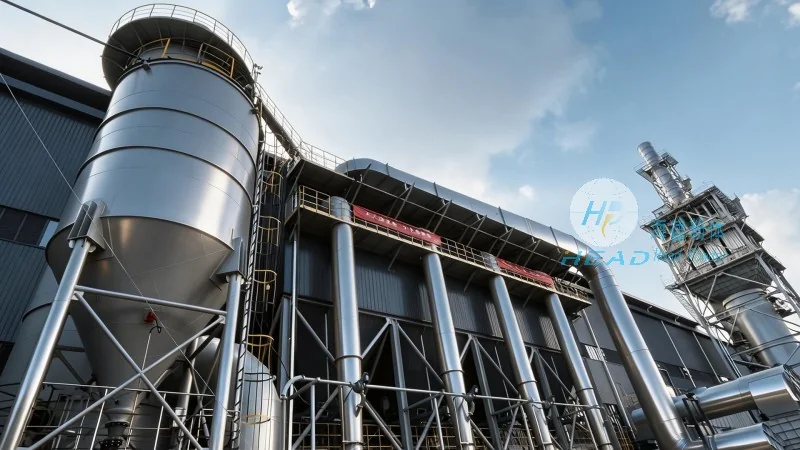
Introduction to Lithium Hexafluorophosphate Pneumatic Conveying Systems
Lithium hexafluorophosphate (LiPF₆) is a widely used electrolyte in lithium-ion batteries, making its handling and transportation essential for battery manufacturers. A pneumatic conveying system for LiPF₆ is a specialized equipment setup that uses compressed air or other gas to move the powder material from one location to another. This method offers advantages over traditional methods like bucket elevators or screw conveyors, particularly in terms of minimizing product contamination and maintaining a clean, dust-free environment.
About HeadPowder: A Leading Provider of Conveying Solutions
Shandong HeadPowder Engineering Co., Ltd., commonly known as HeadPowder, is a reputable company based in China, specializing in the design and manufacturing of advanced material handling systems. With a focus on precision and reliability, HeadPowder has established itself as a trusted partner for industries requiring efficient and safe transportation of sensitive materials like lithium hexafluorophosphate. The company’s expertise lies in customizing conveying systems to meet specific operational needs, ensuring optimal performance and longevity.
Core Design Principles of the Pneumatic Conveying System
The design of a lithium hexafluorophosphate pneumatic conveying system follows several key principles to ensure effective operation. First, the system must maintain a consistent air flow rate to achieve proper material suspension and transport. This involves selecting appropriate air compressors and ductwork that can handle the material's specific properties, such as its density and particle size. Second, the system is engineered to minimize pressure drops and energy consumption, which is critical for cost-effectiveness and sustainability. HeadPowder’s design approach emphasizes energy-efficient solutions while maintaining high conveying efficiency.
Third, safety is a paramount consideration in the design. The system incorporates features like explosion-proof components, dust collection systems, and material containment measures to prevent environmental contamination and ensure operator safety. Additionally, the system is designed to handle the hygroscopic nature of LiPF₆, preventing moisture absorption that could affect the material's performance. The use of high-quality materials and corrosion-resistant components further enhances the system's durability and reliability.
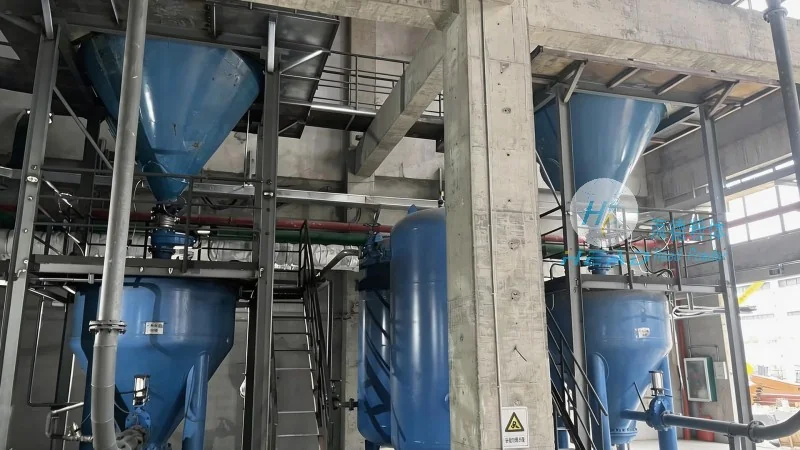
Key Components and Their Functions
A typical lithium hexafluorophosphate pneumatic conveying system consists of several essential components, each playing a vital role in the overall operation. The primary components include the material hopper, which stores the LiPF₆ powder and feeds it into the system; the air compressor, which generates the necessary pressure to move the material; the conveying ducts, which transport the material through the system; and the dust collector, which captures any airborne particles to maintain a clean environment. The system may also include a rotary valve, which controls the flow of material from the hopper to the ducts, and a filter system to ensure the air is clean before it is recirculated or released.
HeadPowder’s systems are designed with these components in mind, ensuring that each part is optimized for the specific characteristics of lithium hexafluorophosphate. For example, the material hopper is often equipped with a discharge valve to control the flow rate, preventing overloading or clogging. The air compressor is selected based on the required air volume and pressure, ensuring that the system can handle the material's density and particle size effectively. The conveying ducts are made of materials that are resistant to corrosion and wear, such as stainless steel or specialized plastics, to withstand the chemical properties of LiPF₆.
Advantages of Using a Pneumatic Conveying System for LiPF₆
Implementing a pneumatic conveying system for lithium hexafluorophosphate offers several advantages over traditional material handling methods. One of the most significant benefits is the ability to maintain a dust-free environment, which is crucial for both product quality and worker safety. Unlike other methods that may generate dust, pneumatic conveying systems keep the material contained within the system, reducing the risk of contamination and exposure. Additionally, the system allows for precise control over the material flow rate, enabling manufacturers to adjust the conveying speed according to production needs.
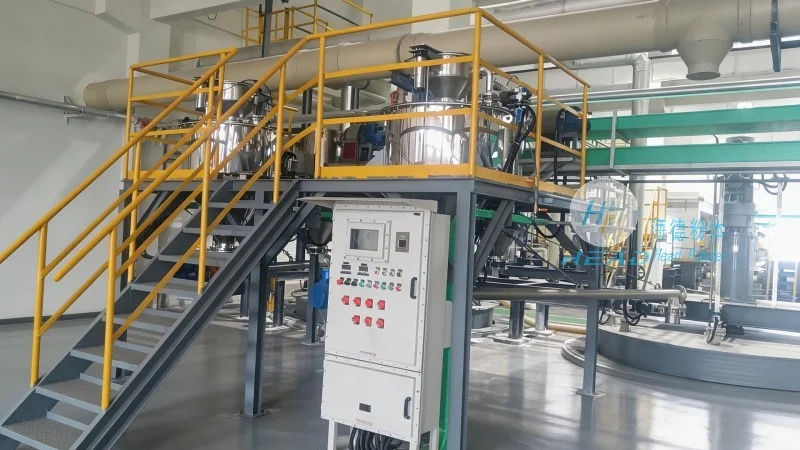
Another advantage is the reduced risk of product degradation. Since the material is not in direct contact with mechanical parts like screws or buckets, the risk of abrasion or contamination is minimized. This is particularly important for LiPF₆, as any contamination could affect the performance of lithium-ion batteries. The system also offers flexibility in terms of layout, allowing for horizontal, vertical, or mixed conveying paths, which can be customized to fit the specific space and operational requirements of a facility.
Applications and Industry Impact
Lithium hexafluorophosphate pneumatic conveying systems are widely used in the battery manufacturing industry, where efficient and safe handling of electrolyte materials is critical. These systems are essential for transporting LiPF₆ from storage to processing units, such as mixing or coating equipment. By ensuring a consistent and reliable supply of the material, the system helps maintain production efficiency and reduce downtime. HeadPowder’s systems have been successfully implemented in various battery production facilities, contributing to improved operational performance and product quality.
The design principles and components of the system are tailored to meet the unique demands of the battery industry. For instance, the system is designed to handle the hygroscopic nature of LiPF₆, preventing moisture absorption that could alter the material's properties. The use of explosion-proof components is also critical in battery manufacturing facilities, where the risk of fire or explosion is a concern. HeadPowder’s expertise in designing such systems has helped many companies in the industry achieve higher productivity and lower operational costs.
Conclusion: The Importance of Reliable Pneumatic Conveying Systems
In conclusion, the lithium hexafluorophosphate pneumatic conveying system is a vital piece of equipment for industries involved in lithium-ion battery production. The design principles behind such systems focus on efficiency, safety, and product integrity, ensuring that the material is handled with the utmost care. Companies like Shandong HeadPowder Engineering Co., Ltd. play a crucial role in providing these advanced systems, which are essential for maintaining high standards in battery manufacturing. By investing in a well-designed pneumatic conveying system, manufacturers can enhance their operational efficiency, reduce costs, and ensure the quality of their products.