

What is an Unattended Material Feeding Pneumatic Conveying Equipment? What are its Design Principles
Unattended material feeding pneumatic conveying equipment represents a sophisticated solution for automated material handling in industrial settings. This technology enables the continuous and efficient transport of bulk materials without the need for constant human supervision, streamlining production processes and enhancing operational efficiency. The design principles behind such equipment are centered on optimizing material flow, energy consumption, and system reliability, ensuring seamless integration into various manufacturing and processing environments.
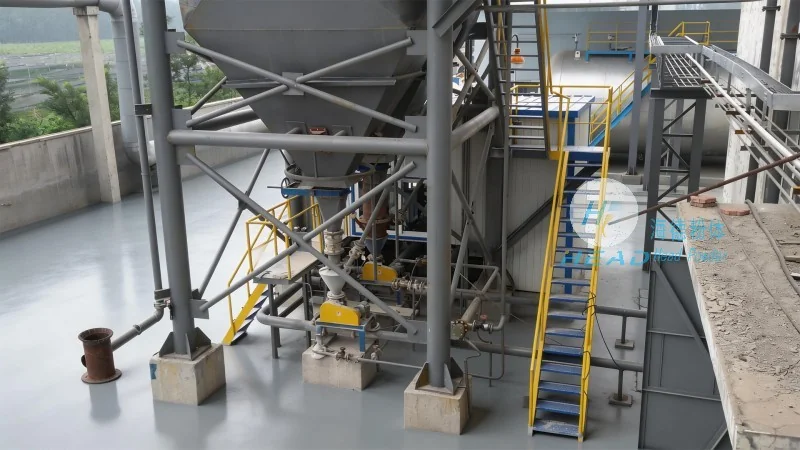
Overview of HeadPowder's Unattended Material Feeding System
HeadPowder, a leading manufacturer based in Shandong, China, specializes in developing advanced pneumatic conveying solutions tailored to meet the demands of modern industrial applications. The company's unattended material feeding equipment is engineered to provide reliable, automated material transport for a wide range of bulk materials, including powders, granules, and fine particles. By eliminating the need for manual intervention during material feeding, the system reduces labor costs and minimizes the risk of human error, while maintaining consistent material flow rates and quality control. The equipment is designed to operate autonomously, with built-in sensors and control systems that monitor and adjust the conveying process in real-time, ensuring optimal performance under varying operational conditions.
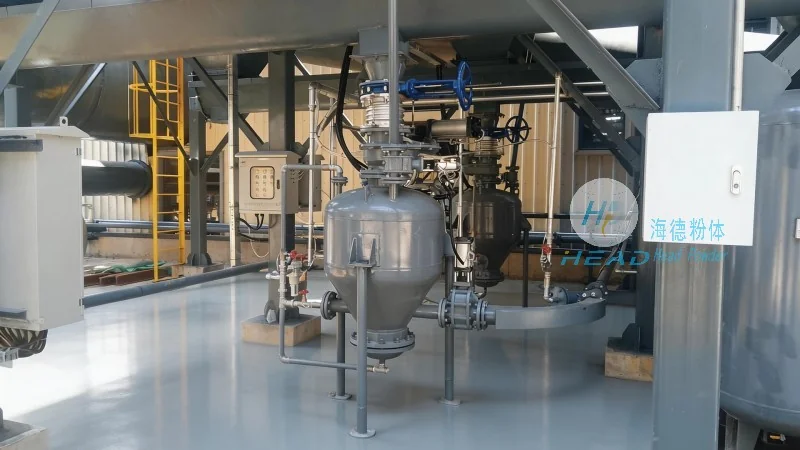
Key Design Principles of the Pneumatic Conveying Equipment
The design of unattended material feeding pneumatic conveying equipment adheres to several critical principles to ensure effectiveness and durability. First, the system prioritizes energy efficiency by utilizing optimized air flow and pressure management, reducing operational costs and environmental impact. Second, the equipment incorporates robust material handling components, such as high-quality feeders and cyclone separators, to prevent material degradation and ensure consistent particle size distribution. Third, the design emphasizes system reliability through redundant safety features and automated fault detection mechanisms, minimizing downtime and maintaining continuous production. Additionally, the equipment is constructed with durable materials, such as stainless steel and corrosion-resistant alloys, to withstand harsh industrial environments and extend service life.
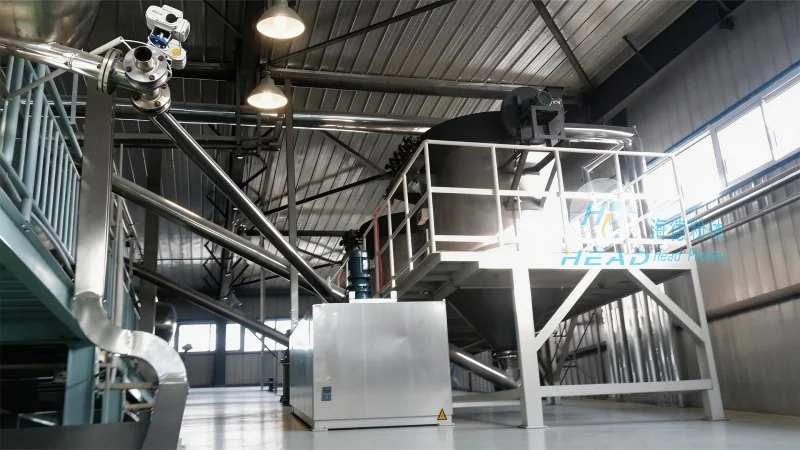
Technical Specifications and Operational Advantages
HeadPowder's unattended material feeding pneumatic conveying equipment is equipped with a range of technical specifications that enhance its performance and adaptability. The system can handle material capacities from small batches to large-scale production, with adjustable flow rates to accommodate different processing requirements. The equipment features a user-friendly control interface that allows for easy monitoring and adjustment of conveying parameters, while the automated feeding mechanism ensures precise material delivery to downstream processes. Operational advantages of this equipment include reduced labor requirements, improved material handling accuracy, and enhanced safety by minimizing human exposure to hazardous materials. Furthermore, the system's modular design enables easy integration with existing production lines and facilitates future upgrades or expansions as production needs evolve.
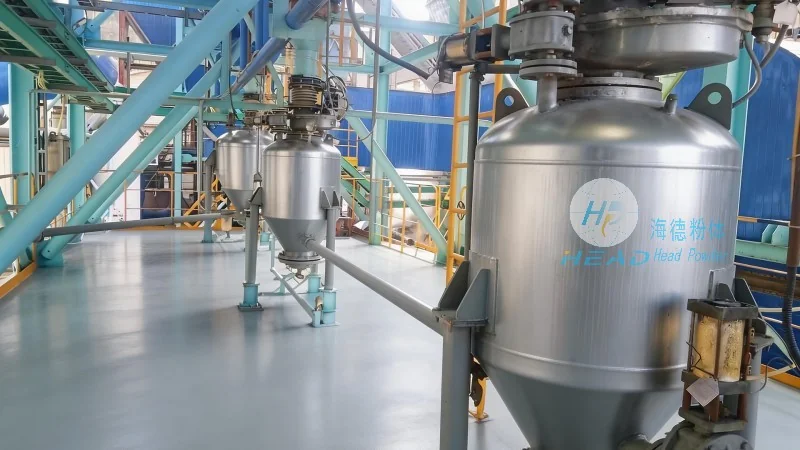
Application Scenarios and Industry Benefits
The unattended material feeding pneumatic conveying equipment from HeadPowder is widely applicable across various industries, including pharmaceuticals, food processing, chemical manufacturing, and mining. In pharmaceutical applications, the system ensures sterile and contamination-free material transport, meeting stringent regulatory requirements. In food processing, the equipment maintains hygiene standards while efficiently conveying ingredients like powders and granules. In chemical manufacturing, the system handles hazardous materials safely, reducing the risk of accidents and exposure. The industry benefits of adopting this technology include increased production throughput, improved product quality, and reduced operational costs. By automating material handling processes, companies can achieve greater efficiency, scalability, and competitiveness in their respective markets.