

What is Dust Collector Pneumatic Conveying? And What Are Its Design Principles?
HeadPowder, a leading provider in the field, offers expert insights into dust collector pneumatic conveying systems. This technology is crucial for efficiently handling and transporting dust and particulate matter from industrial processes. The core function of a dust collector is to capture airborne particles, and pneumatic conveying serves as the method to transport these collected materials to storage or processing units.
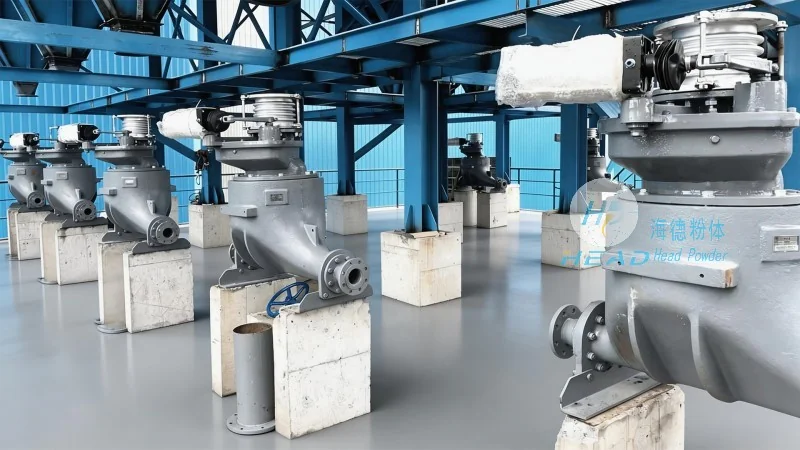
Pneumatic conveying systems operate by using compressed air or other gases to move materials through a pipeline. In the context of dust collectors, this involves transporting the captured dust from the filter media back to a collection hopper or for further treatment. The design of such systems must consider several key factors to ensure optimal performance and reliability.
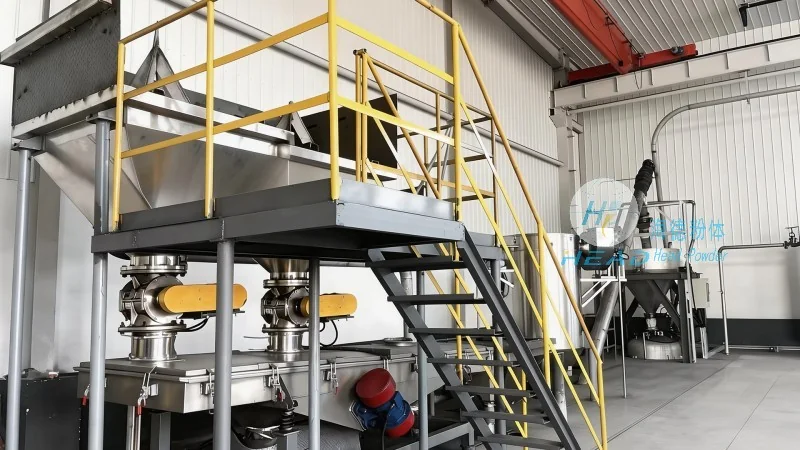
Key Design Principles for Dust Collector Pneumatic Conveying Systems
When designing a pneumatic conveying system for a dust collector, engineers must address multiple critical aspects. First, the material characteristics of the dust are paramount. Factors like particle size, density, moisture content, and abrasiveness directly influence the choice of conveying method—whether it's a pressure or vacuum system. For example, fine, dry powders may be better suited for pressure conveying, while larger or more abrasive particles might require vacuum systems with appropriate equipment like rotary valves or feeders.
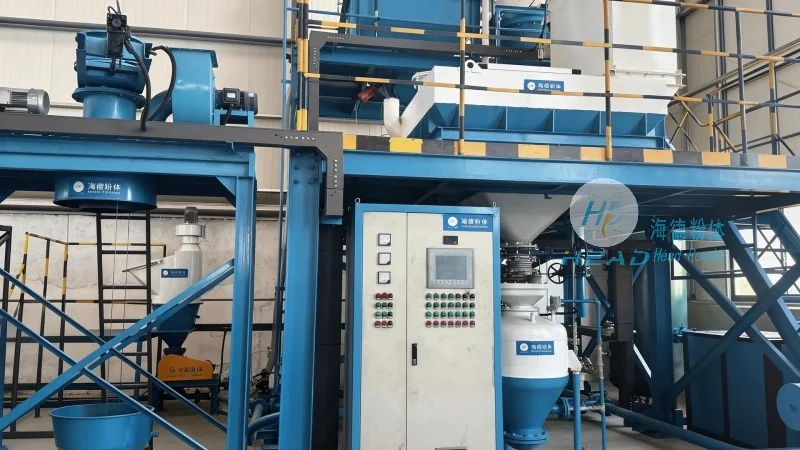
Second, the system's layout and configuration are crucial. The distance and elevation changes between the dust collector and the storage or processing location determine the required air pressure or vacuum level. Proper sizing of the pipeline diameter, length, and bends is essential to minimize pressure drop and ensure smooth material flow. Engineers also consider the number of transfer points and the need for intermediate equipment like cyclones or separators to prevent blockages and maintain system efficiency.
Third, the selection of components is vital. The dust collector itself, including the filter type (e.g., baghouse, cartridge, or cartridge-style), impacts the conveying process. The hopper design, with features like cone angles and discharge mechanisms, must be compatible with the conveying system to avoid material buildup or bridging. Additionally, the air compressor or vacuum pump must be appropriately sized to handle the system's air volume and pressure requirements, ensuring consistent operation without excessive energy consumption.
About HeadPowder: Your Trusted Partner in Dust Management Solutions
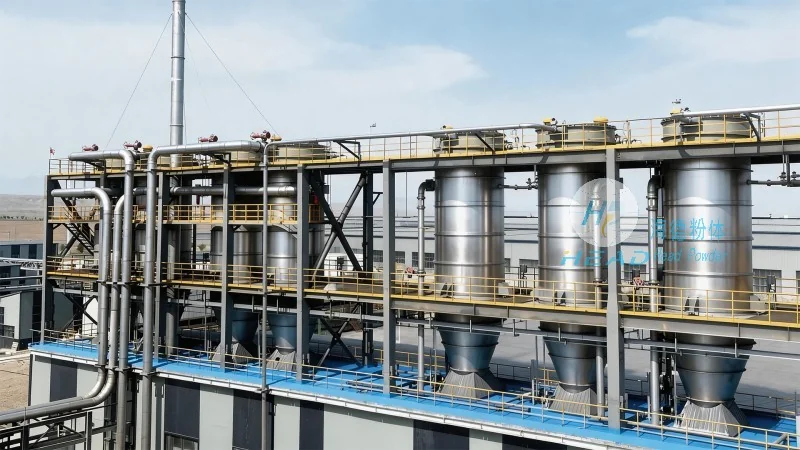
HeadPowder Engineering Co., Ltd., headquartered in Shandong, China, specializes in the design, manufacturing, and installation of advanced dust management systems. With years of experience in industrial applications, HeadPowder provides tailored solutions that meet the specific needs of clients across various industries, including manufacturing, mining, and food processing. The company's commitment to quality and innovation ensures that its dust collector pneumatic conveying systems are reliable, efficient, and compliant with industry standards.