

What is Small Bag Quantitative Feeding Pneumatic Conveying? And What Are Its Design Principles?
Small bag quantitative feeding pneumatic conveying systems are specialized equipment used in material handling and processing industries. These systems are designed to efficiently and accurately transfer bulk materials from storage bags or containers into processing equipment. The technology combines the principles of pneumatic conveying with precise feeding mechanisms to ensure consistent material flow and dosage control. This article will explore the fundamental concepts of small bag quantitative feeding pneumatic conveying and delve into the key design principles that underpin its operation, with a focus on solutions provided by Shandong HeadPowder Engineering Co., Ltd., a leading manufacturer in the field.
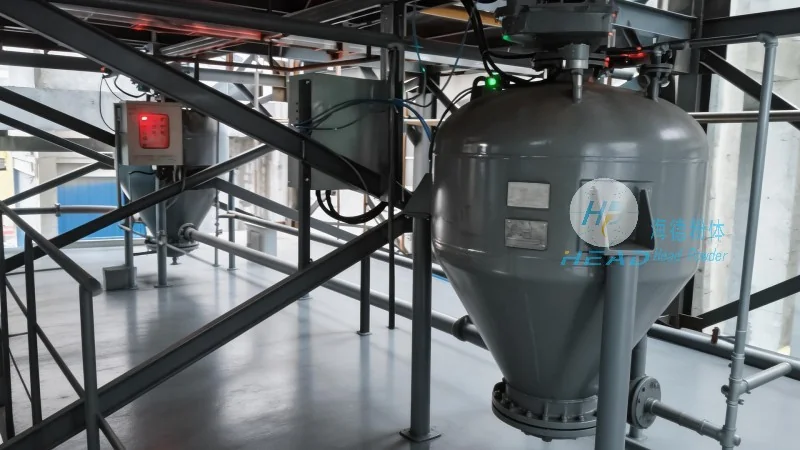
Understanding Small Bag Quantitative Feeding Pneumatic Conveying
At its core, small bag quantitative feeding pneumatic conveying involves the use of compressed air or other gases to create a flow of material from a bag or hopper into a processing line. The system typically consists of several components, including a bag opening mechanism, a feeder, a conveying line, and a receiving hopper or equipment. The primary goal is to achieve accurate and repeatable material feeding, which is critical in applications such as pharmaceutical manufacturing, food processing, and chemical production where precision is paramount.
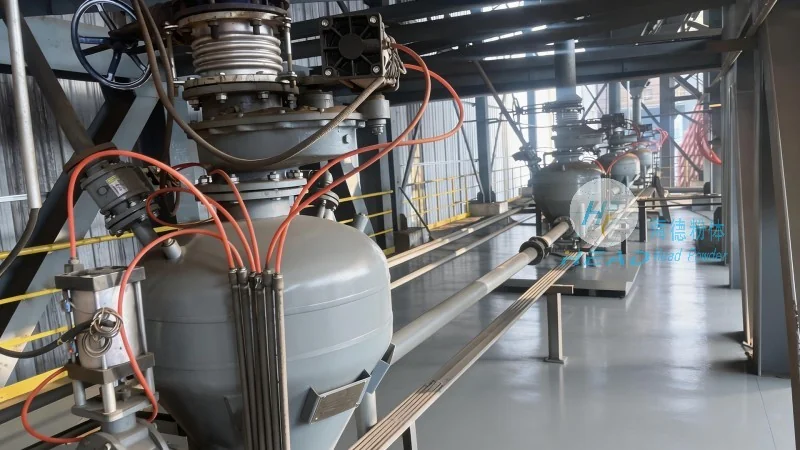
Key Design Principles of Small Bag Quantitative Feeding Systems
The design of a small bag quantitative feeding pneumatic conveying system is governed by several critical principles that ensure optimal performance and reliability. First, the system must ensure consistent material flow by controlling the air pressure and flow rate. This is achieved through the use of specialized feeders, such as rotary valves or screw feeders, which regulate the amount of material discharged from the bag. The feeder must be capable of handling a wide range of materials, including powders, granules, and fine particles, without clogging or bridging. Second, the conveying line must be designed to minimize material degradation and maintain product integrity. This involves selecting appropriate materials for the conveying ducts, such as stainless steel or food-grade plastics, and incorporating features like smooth transitions and minimal bends to reduce friction and particle attrition. Additionally, the system must be designed for easy maintenance and cleaning, which is essential in industries where hygiene and product quality are non-negotiable.
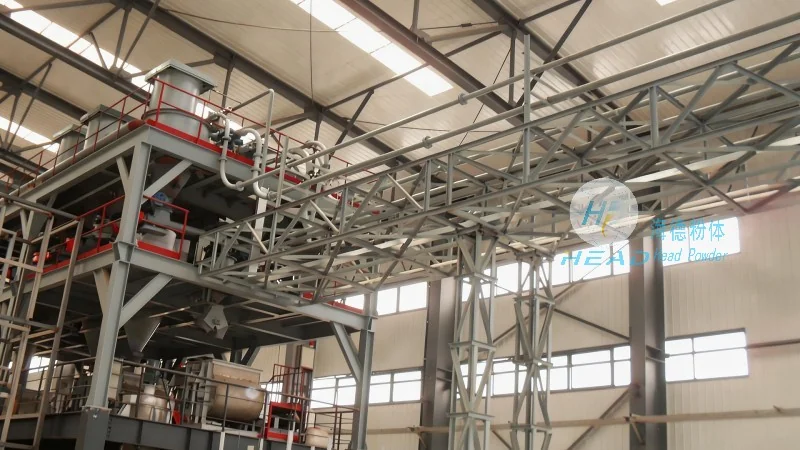
Components and Their Functions in the System
The effectiveness of a small bag quantitative feeding pneumatic conveying system relies on the proper integration of its key components. The bag opening device is responsible for safely and efficiently accessing the material inside the bag, often using a mechanical or pneumatic cutter to open the top. The feeder, as mentioned earlier, plays a crucial role in controlling the flow rate and ensuring accurate dosing. There are different types of feeders, including volumetric feeders (like rotary valves) and gravimetric feeders, each with its own advantages depending on the application requirements. The conveying line connects the feeder to the receiving equipment and is typically made of flexible or rigid tubing, depending on the system layout. The receiving hopper or processing equipment is where the material is deposited, and it may include features like a surge tank to buffer the flow and prevent overloading downstream equipment. The air compressor and filtration system are also critical components, as they provide the necessary air pressure and ensure that the air is clean and dry to prevent material clumping or degradation.