

Main Structures of Dry Ash Pneumatic Conveying Systems?
When it comes to the efficient and reliable transportation of dry ash, the choice of a suitable pneumatic conveying system structure is crucial. As a leading provider in the field, Shandong HeadPowder Engineering Co., Ltd. specializes in designing and manufacturing advanced dry ash pneumatic conveying solutions. This article explores the primary structures of dry ash pneumatic conveying systems, highlighting the key components and operational principles that define their effectiveness.

Understanding Dry Ash Pneumatic Conveying Systems
Dry ash pneumatic conveying systems are engineered to transport dry, powdery materials like ash from one location to another using air as the conveying medium. The core of these systems lies in their structural design, which determines how efficiently the material is moved, how much energy is consumed, and how well it maintains the material's integrity. The main structures of dry ash pneumatic conveying systems typically fall into two broad categories: positive pressure systems and negative pressure systems. Each type has distinct features and is suited to different operational requirements.
Key Components of Dry Ash Pneumatic Conveying Structures
Regardless of the system type, several essential components are integral to the overall structure of dry ash pneumatic conveying systems. These components work in tandem to ensure smooth material transport. The primary components include:
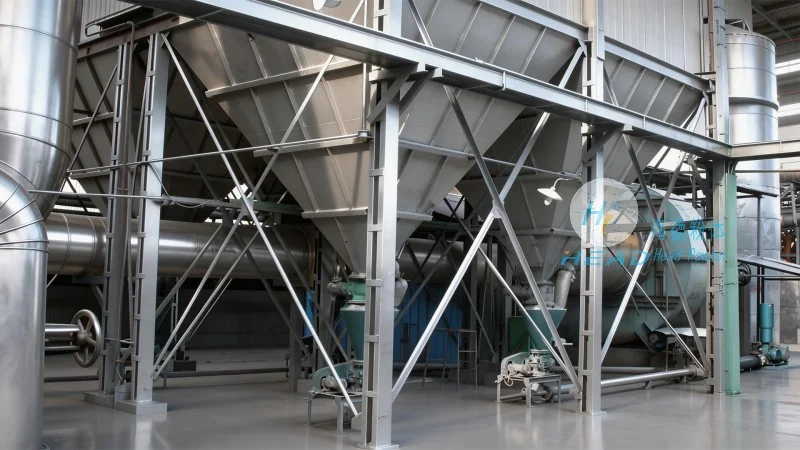
- Pneumatic Conveying Hopper: This is the initial container where dry ash is stored before being fed into the system. It is designed to handle the bulk material and provide a consistent feed rate to the conveying line.
- Feeder: The feeder is responsible for controlling the flow of dry ash from the hopper into the conveying line. It ensures a steady and regulated material supply, preventing blockages and maintaining system efficiency.
- Pneumatic Conveying Pipe: The pipe network forms the main pathway for transporting the dry ash. It is typically made of durable materials like stainless steel or plastic, chosen for their resistance to corrosion and wear from the ash particles.
- Blowers or Fans: These are the power sources that generate the air pressure or vacuum needed to move the dry ash through the system. The choice of blower (positive pressure) or fan (negative pressure) depends on the system type and operational needs.
- Separators and Filters: These components are critical for separating the conveyed ash from the air stream and cleaning the air before it is discharged. They help maintain air quality and prevent ash particles from being released into the environment.
- Discharge Hopper: The final container where the dry ash is deposited after being transported through the system. It is designed to handle the received material and may include features for further processing or storage.
Positive Pressure Pneumatic Conveying Structures
Positive pressure systems operate by using a blower to create high-pressure air that pushes the dry ash through the conveying pipe. This type of system is generally more suitable for short to medium-distance transport and can handle a wide range of ash types and particle sizes. The structure of a positive pressure system includes a blower at the inlet, feeding the air into the pipe, and the ash is carried along by the high-pressure air flow. The key advantages of positive pressure systems include their ability to handle abrasive materials, their relatively simple design, and their lower maintenance requirements compared to negative pressure systems.
Negative Pressure Pneumatic Conveying Structures
Negative pressure systems, also known as vacuum systems, operate by creating a vacuum at the discharge end of the pipe, which draws the dry ash into the system. This type of system is often used for longer distances and for applications where the ash needs to be transported from multiple sources to a single destination. The structure of a negative pressure system includes a fan at the discharge end, creating a vacuum that pulls the ash through the pipe. The main benefits of negative pressure systems include their ability to handle fine particles and their lower risk of dust leakage compared to positive pressure systems. However, they may require more maintenance and are generally less efficient for abrasive materials.
Customization and Application Considerations
Shandong HeadPowder Engineering Co., Ltd. understands that each industrial application has unique requirements. Therefore, the company offers customized dry ash pneumatic conveying structures tailored to specific needs. Factors such as the distance of transport, the volume of ash to be conveyed, the particle size and characteristics of the ash, and the environmental regulations of the site are all considered during the design process. By working closely with clients, HeadPowder engineers can design systems that optimize performance, minimize energy consumption, and ensure compliance with safety and environmental standards.