

Types, Features, and Application Ranges of Abrasive Sand Pneumatic Conveying Systems
As a critical component in modern industrial processes, abrasive sand pneumatic conveying systems play a vital role in the efficient transportation of bulk materials. These systems utilize air or gas to move abrasive materials like sand, ensuring safe and reliable operation in various industrial settings. The technology has evolved significantly over the years, offering diverse solutions tailored to specific operational needs. This article explores the types, key features, and broad application ranges of abrasive sand pneumatic conveying systems, providing insights into their functionality and practical implementation. The information is presented by Shandong HeadPowder Engineering Co., Ltd., a leading provider of industrial conveying solutions based in Shandong, China.
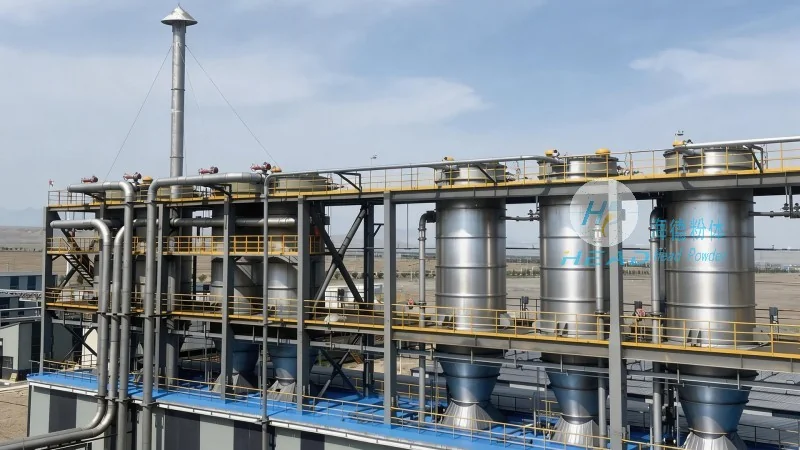
Types of Abrasive Sand Pneumatic Conveying Systems
There are primarily two main categories of abrasive sand pneumatic conveying systems: positive pressure and negative pressure systems. Each type has distinct characteristics and is suitable for different operational scenarios. Positive pressure systems operate by blowing air or gas into the conveying line, propelling the material forward. This method is often preferred for short to medium distance conveying and when the material is highly abrasive. Negative pressure systems, on the other hand, draw material into the system using suction, making them ideal for long-distance or dusty environments where containment is crucial. Both systems are designed to handle abrasive sand effectively, with components engineered to withstand the harsh conditions associated with such materials.
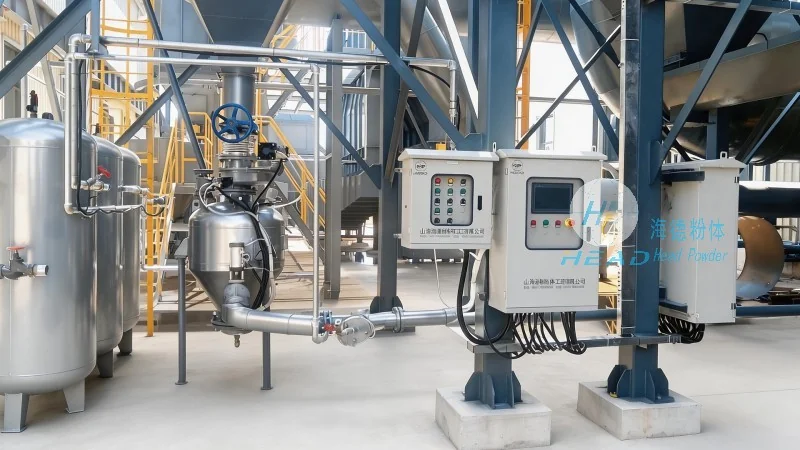
Key Features of Abrasive Sand Pneumatic Conveying Systems
Effective abrasive sand pneumatic conveying systems are characterized by several essential features that enhance their performance and longevity. First, robust material handling capabilities are crucial, as these systems must transport abrasive materials without causing excessive wear or damage to components. High-quality, wear-resistant materials are used in the construction of the conveying lines, valves, and other critical parts to ensure durability. Additionally, efficient air management is a key feature, as it directly impacts the system's energy consumption and overall efficiency. Advanced control systems are often integrated to optimize air flow and pressure, reducing operational costs and improving process reliability. Another important feature is the system's ability to handle varying material properties, such as different particle sizes and moisture content, without compromising performance. This adaptability makes abrasive sand pneumatic conveying systems versatile and suitable for a wide range of industrial applications.
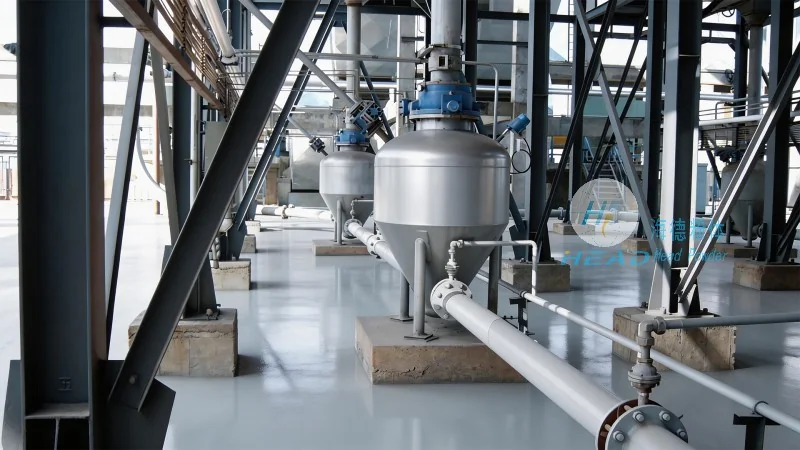
Application Ranges of Abrasive Sand Pneumatic Conveying Systems
Abrasive sand pneumatic conveying systems find extensive applications across various industries, particularly in sectors where bulk material handling is essential. In the construction industry, these systems are widely used for transporting sand and other aggregates to different parts of a construction site, ensuring smooth workflow and reduced manual labor. The mining industry also relies heavily on abrasive sand pneumatic conveying for transporting ore and other abrasive materials from mines to processing facilities. The manufacturing sector, including foundries and metalworking plants, utilizes these systems to move sand used in casting processes, improving production efficiency and reducing downtime. Additionally, in the chemical and pharmaceutical industries, abrasive sand pneumatic conveying systems are employed for handling abrasive powders and granules, ensuring precise and controlled material transport. The versatility of these systems allows them to be adapted to specific operational requirements, making them a preferred choice for industries dealing with abrasive materials.