

Types and Characteristics of Lithium Oxalate Pneumatic Conveying: Application Ranges Explained
Lithium oxalate is a critical material in modern battery technology, and efficient handling of this substance is essential for industrial applications. Pneumatic conveying systems offer a reliable method for transporting lithium oxalate, ensuring safety, precision, and high throughput. This article explores the different types of lithium oxalate pneumatic conveying, their key characteristics, and the various application ranges where these systems are employed. The information provided is based on the expertise of Shandong HeadPowder Engineering Co., Ltd., a leading company in powder engineering based in Shandong, China.
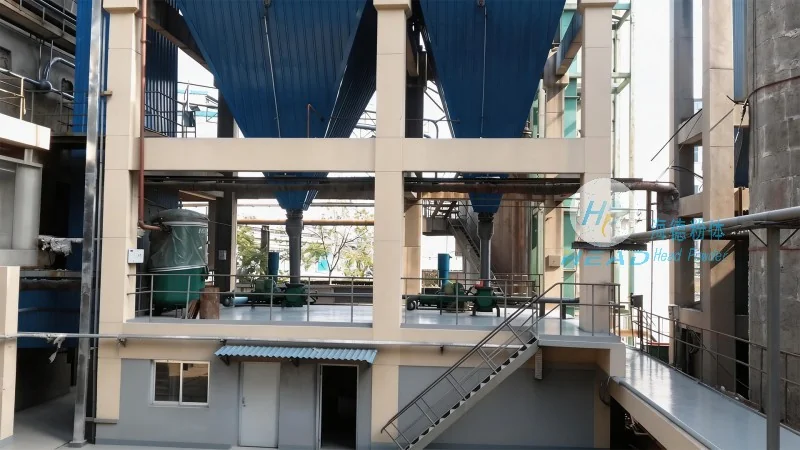
Types of Lithium Oxalate Pneumatic Conveying
There are primarily two main types of pneumatic conveying systems used for lithium oxalate: dilute-phase and dense-phase. Dilute-phase systems use low air velocity and high air-to-material ratios, making them suitable for long-distance transport and low to medium material loads. Dense-phase systems, on the other hand, operate at higher air pressure and lower air velocity, which is ideal for handling fine powders like lithium oxalate, reducing product degradation and ensuring minimal dust generation. The choice between these types depends on factors such as the required transport distance, material properties, and the need for product integrity.
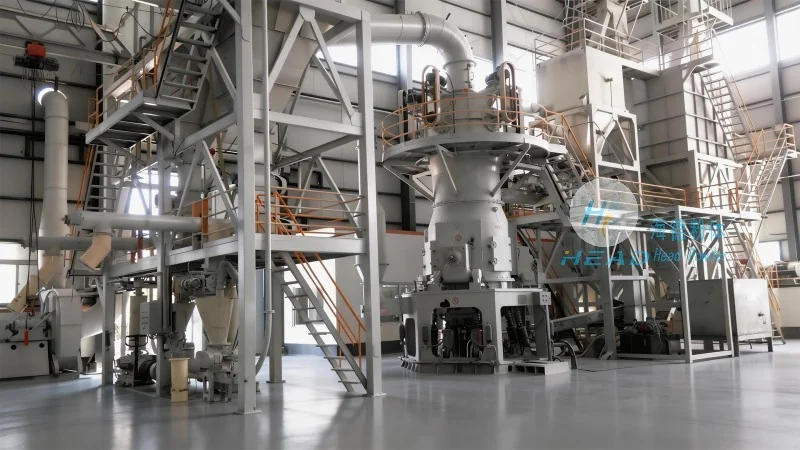
Key Characteristics of Lithium Oxalate Pneumatic Conveying
Efficiency and reliability are paramount in lithium oxalate handling. Pneumatic conveying systems provide a closed-loop environment, minimizing exposure to contaminants and preventing material loss. These systems are also highly flexible, allowing for easy integration into existing production lines. Another important characteristic is the ability to handle sensitive materials without causing agglomeration or degradation. For lithium oxalate, which is often used in high-energy batteries, maintaining particle size and chemical stability is crucial. Pneumatic conveying systems achieve this by controlling air flow and pressure, ensuring that the material remains in a fine, uniform state throughout the transport process.
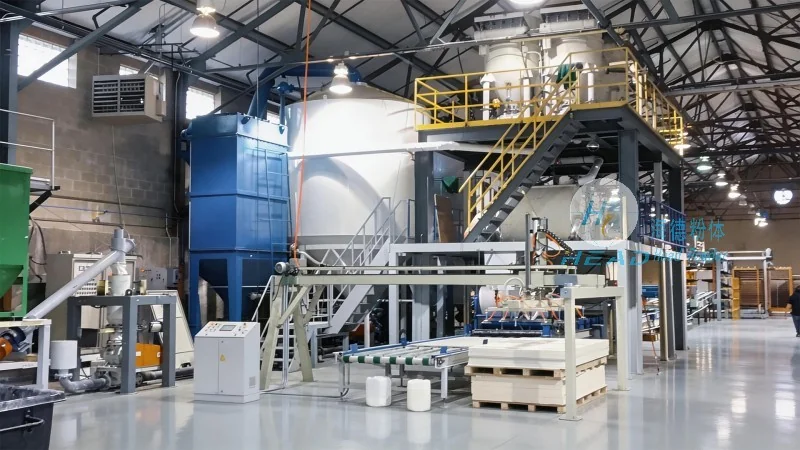
Application Ranges of Lithium Oxalate Pneumatic Conveying
Lithium oxalate pneumatic conveying systems are widely used in several industries, primarily in the battery manufacturing sector. In battery production, lithium oxalate is used as a cathode material, and efficient transport is essential for maintaining production rates. These systems are also employed in chemical processing facilities where lithium oxalate is used as a precursor or intermediate in the synthesis of other lithium compounds. Additionally, in research and development laboratories, pneumatic conveying helps in the precise handling of small quantities of lithium oxalate for experimental purposes. The versatility of pneumatic conveying makes it suitable for both large-scale industrial applications and smaller-scale laboratory operations, ensuring that lithium oxalate can be transported safely and effectively across different settings.