

Diatomite Pneumatic Conveying: Types, Features, and Application Ranges
As a specialized engineering company, Shandong HeadPowder Engineering Co., Ltd. (commonly known as headpowder) provides advanced solutions for diatomite handling through pneumatic conveying technologies. Diatomite, a natural sedimentary rock composed of fossilized diatoms, is widely used in various industries due to its unique properties such as high porosity, low density, and excellent filtering capabilities. Pneumatic conveying offers an efficient method to transport diatomite, ensuring minimal dust generation and operational flexibility. This article explores the different types of diatomite pneumatic conveying systems, their key features, and the diverse application ranges where they are utilized.
Types of Diatomite Pneumatic Conveying Systems
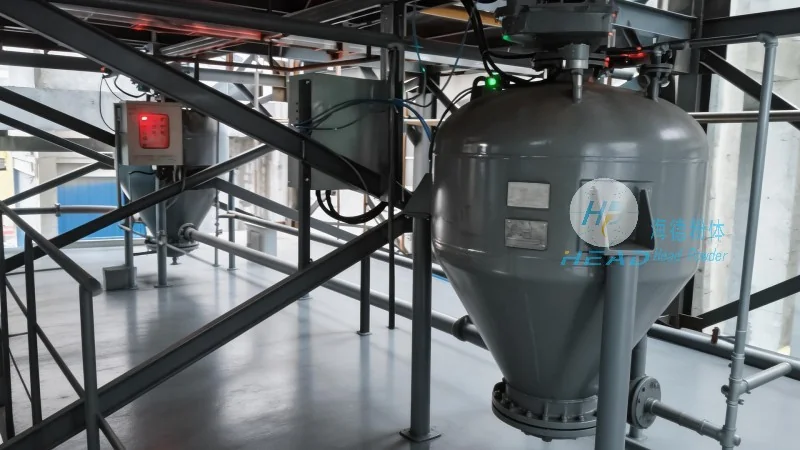
There are primarily two main types of pneumatic conveying systems used for diatomite transport: pressure and vacuum systems. Each type has distinct characteristics that make it suitable for different operational conditions and material handling requirements.
Pressure Pneumatic Conveying Systems
Pressure systems operate by forcing air or gas through a pipeline under positive pressure. In this method, the diatomite is introduced into a pressurized hopper or silo, and then conveyed through the pipeline to the destination. This type is particularly effective for long-distance and high-volume transport, as it can maintain consistent flow rates and minimize material degradation. The pressure system is often preferred when the diatomite needs to be transported over significant distances or when the receiving point is at a higher elevation than the source. The system typically includes components such as a positive displacement blower, a hopper with a rotary valve, and a pipeline network with appropriate fittings and controls.
Vacuum Pneumatic Conveying Systems
Vacuum systems, on the other hand, use a vacuum pump to create a negative pressure within the pipeline, drawing the diatomite from the source to the destination. This method is ideal for short-distance or low-volume applications, as well as for handling diatomite that is sensitive to pressure changes or for situations where the receiving point is at a lower elevation than the source. The vacuum system generally consists of a vacuum pump, a hopper with a feeder, and a pipeline with appropriate valves and filters. The vacuum approach helps in maintaining the integrity of the diatomite particles, preventing agglomeration and ensuring a smooth conveying process.
Key Features of Diatomite Pneumatic Conveying
Regardless of the system type, diatomite pneumatic conveying systems share several key features that enhance their performance and reliability. These features include:
Efficient Material Handling
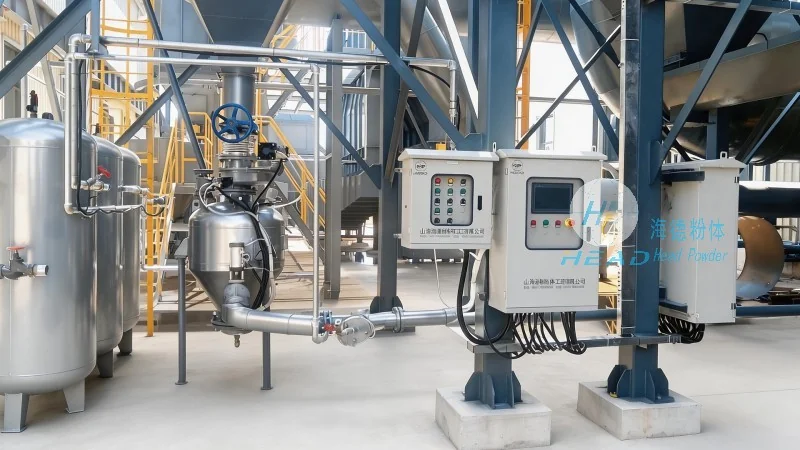
The primary feature of pneumatic conveying is its ability to handle diatomite in a dust-free environment. Unlike traditional belt or bucket elevators, which can generate significant dust and require extensive dust control measures, pneumatic systems transport the material within a sealed pipeline. This not only improves workplace safety by reducing exposure to airborne particles but also maintains the quality of the diatomite by preventing contamination from external sources. The sealed system also helps in controlling moisture content and preventing caking or clumping of the diatomite particles, which is crucial for maintaining its filtering and other functional properties.
Flexibility in Layout and Installation
Pneumatic conveying systems offer high flexibility in terms of layout and installation. The pipelines can be installed in various configurations, including vertical, horizontal, or even inclined, depending on the site constraints and operational requirements. This flexibility allows for the integration of the system into existing facilities or new construction projects without major structural modifications. The modular design of the components, such as the hoppers, feeders, and pipeline sections, enables easy expansion or reconfiguration of the system as the production needs change. This adaptability is particularly valuable in industries where the demand for diatomite fluctuates or where the processing lines need to be modified over time.
Low Maintenance and Operational Costs
Another important feature is the relatively low maintenance and operational costs associated with pneumatic conveying systems. The absence of moving parts in the pipeline, such as belts or chains, reduces the risk of mechanical failure and the need for frequent maintenance. The system components, such as the blower or vacuum pump, are designed for continuous operation with minimal downtime. Additionally, the sealed pipeline reduces the need for cleaning and replacement of parts due to dust accumulation, further lowering the long-term operational expenses. The energy consumption of the system is also optimized, with modern blowers and pumps offering high efficiency and low power consumption, contributing to cost savings over the system's lifecycle.
Controlled Flow and Dosing
Pneumatic conveying systems provide precise control over the flow rate and dosing of diatomite. The use of rotary valves, feeders, and control valves allows for accurate regulation of the material discharge rate, ensuring consistent feed to downstream processes such as mixing, blending, or filtration. This control is essential for maintaining the quality of the final product, as variations in diatomite feed can affect the performance of the end-use applications. The ability to adjust the flow rate in real-time also enables better process control and reduces waste by preventing overfeeding or underfeeding. The system can be integrated with automated control systems, allowing for remote monitoring and adjustment of the conveying parameters, enhancing operational efficiency and reducing human error.
Application Ranges of Diatomite Pneumatic Conveying
Diatomite pneumatic conveying systems are widely used across various industries due to their versatility and efficiency. The applications range from industrial processing to environmental and consumer product manufacturing. The following are some of the key application ranges where these systems are utilized:
Industrial Filtration and Separation
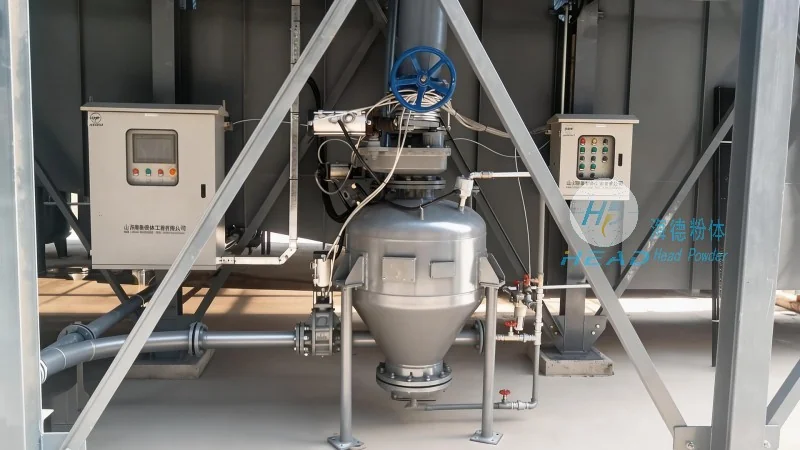
One of the most common applications of diatomite is in filtration and separation processes. Pneumatic conveying systems are used to transport diatomite to filtration units, such as pressure filters or vacuum filters, where it is used as a filter aid to enhance the filtration efficiency. The diatomite particles act as a porous medium, capturing impurities and suspended solids from liquids, improving the clarity and purity of the final product. In industries such as water treatment, chemical processing, and food and beverage, diatomite is used to filter water, chemicals, and beverages, ensuring compliance with quality standards and regulatory requirements. The pneumatic system ensures that the diatomite is delivered to the filtration units in a controlled manner, maintaining consistent filter performance and extending the filter life.
Food and Beverage Industry
In the food and beverage sector, diatomite is used as a filter aid in the production of beverages like beer, wine, and juice. Pneumatic conveying systems are employed to transport diatomite from storage silos to the filtration equipment in breweries and wineries. The system maintains the quality of the diatomite by preventing contamination and ensuring that the filter aid is delivered in a clean and consistent manner. This is crucial for maintaining the taste, clarity, and shelf life of the final products. The pneumatic transport also reduces the risk of cross-contamination between different batches of diatomite, which is essential in food processing environments where hygiene is paramount.
Pharmaceutical and Cosmetic Manufacturing
Diatomite is also used in the pharmaceutical and cosmetic industries as a filtration medium and as an ingredient in various products. In pharmaceutical manufacturing, diatomite is used to filter active ingredients, solvents, and final drug products, ensuring that the products are free from impurities and meet stringent quality standards. The pneumatic conveying system delivers the diatomite to the filtration units in a sterile and controlled environment, minimizing the risk of contamination. In the cosmetic industry, diatomite is used as an exfoliant in skincare products and as a filter in makeup and hair care items. The system ensures that the diatomite is transported without any damage to its particles, preserving its exfoliating properties and ensuring the quality of the final cosmetic products.
Construction and Building Materials
In the construction industry, diatomite is used as a lightweight aggregate in concrete and as a component in insulation materials. Pneumatic conveying systems are used to transport diatomite from storage facilities to the mixing plants or production lines. The system provides a consistent supply of diatomite, ensuring that the concrete mix has the desired density and insulation properties. The pneumatic transport also reduces the dust and noise associated with traditional material handling methods, making it suitable for construction sites where environmental and safety regulations are strict. The diatomite's low density and high porosity contribute to the lightweight nature of the concrete, reducing the overall weight of the structure and improving energy efficiency.