

[Pneumatic Conveying in the Bulk Handling of Pyrolysis Char]
Pyrolysis char, a byproduct of the pyrolysis process used in waste conversion and energy recovery, requires efficient and reliable bulk material handling solutions. Pneumatic conveying technology has emerged as a critical method for transporting pyrolysis char from production sites to storage or processing facilities. This article explores the application of pneumatic conveying systems in the bulk handling of pyrolysis char, highlighting the technical advantages and practical considerations for such operations.
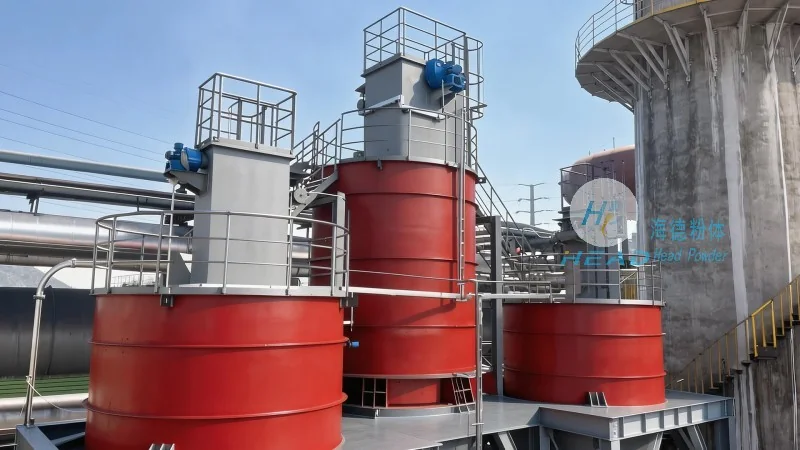
Introduction to Pneumatic Conveying for Pyrolysis Char
Pneumatic conveying involves the transport of solid materials through a pipeline using a gas stream, typically air or other gases. This method is particularly suitable for pyrolysis char due to its fine particle size and the need for dust-free or controlled environment handling. The technology offers several benefits, including the ability to handle materials over long distances, minimize material degradation, and reduce the risk of dust exposure compared to traditional mechanical conveying methods.
HeadPowder Engineering: A Leader in Pneumatic Conveying Solutions
Shandong HeadPowder Engineering Co., Ltd., commonly known as HeadPowder, is a specialized engineering company based in Shandong, China. With years of experience in the design, manufacturing, and installation of pneumatic conveying systems, HeadPowder has become a trusted provider for industries dealing with bulk materials, including those in the waste-to-energy sector. The company’s expertise lies in tailoring conveying systems to meet the specific requirements of pyrolysis char, ensuring optimal performance and reliability.
Key Features of Pneumatic Conveying Systems for Pyrolysis Char
The pneumatic conveying systems developed by HeadPowder for pyrolysis char handling typically include several key components. These systems are designed to handle the unique characteristics of pyrolysis char, such as its low bulk density and potential for dust generation. Key features may include:
1. Positive Displacement Pumps or Air Lock Feeders: These components ensure a consistent and controlled feed of pyrolysis char into the conveying line, preventing blockages and maintaining system efficiency.
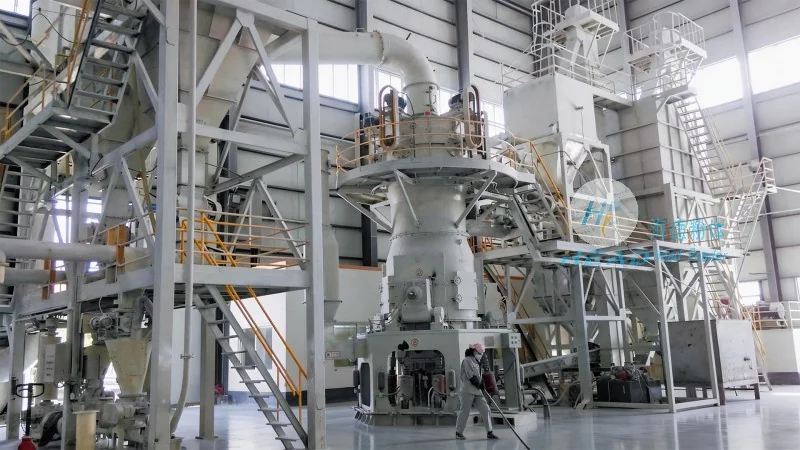
2. High-Pressure or Low-Pressure Conveying Lines: Depending on the distance and material properties, HeadPowder engineers select the appropriate pressure level to achieve effective transport without excessive energy consumption.
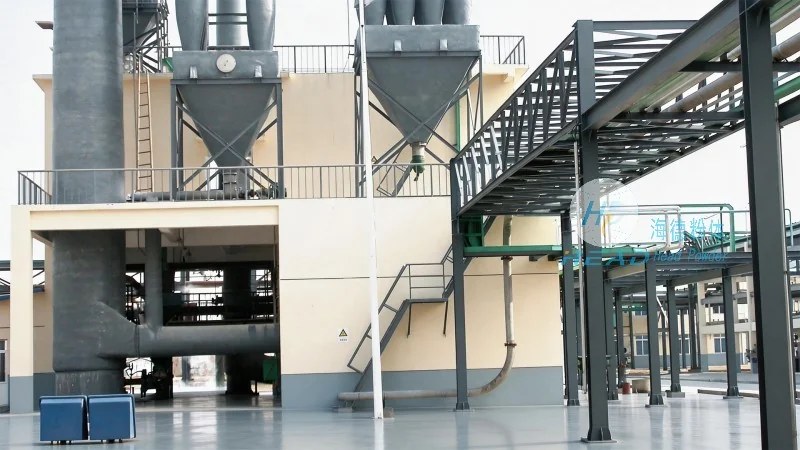
3. Dust Collection and Filtration Systems: To comply with environmental regulations and maintain a safe working environment, the systems incorporate advanced filtration and dust collection equipment, ensuring that emissions are minimized.
4. Material Handling and Storage Integration: The conveying systems can be integrated with storage silos or processing equipment, enabling seamless material flow from production to end-use applications.
Benefits of Using Pneumatic Conveying for Pyrolysis Char
Implementing pneumatic conveying for pyrolysis char offers numerous advantages for industrial operations. These benefits include:
1. Increased Efficiency and Reduced Downtime: Pneumatic systems can transport materials over long distances with minimal maintenance, reducing the need for frequent system shutdowns and repairs.
2. Improved Safety and Environmental Compliance: By containing material within a sealed pipeline, the systems reduce dust exposure and emissions, enhancing workplace safety and meeting environmental regulations.
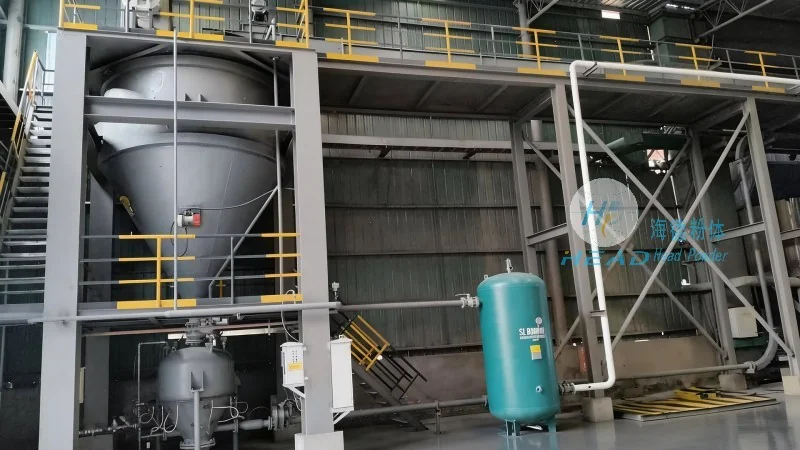
3. Flexibility in System Design: HeadPowder’s engineers can customize the conveying system to fit the specific layout of a facility, accommodating changes in production volume or operational needs.
4. Cost-Effective Long-Term Solution: Although initial investment may be higher than some mechanical systems, the long-term operational savings from reduced labor, maintenance, and material loss make pneumatic conveying a cost-effective choice.
Application Examples and Case Studies
HeadPowder has successfully implemented pneumatic conveying systems for pyrolysis char in various industrial settings. For instance, in a waste-to-energy plant, the company designed a high-pressure conveying system that transports pyrolysis char from the pyrolysis reactor to a storage silo over a distance of 500 meters. The system was equipped with advanced filtration to meet local air quality standards, and it has operated continuously for over two years with minimal issues. Another application involved a facility that required the transport of pyrolysis char to a nearby processing plant, where the system was integrated with a material handling system to ensure smooth material flow.
Conclusion: The Role of Pneumatic Conveying in Pyrolysis Char Handling
As the demand for pyrolysis char as a renewable energy source grows, the need for efficient bulk handling solutions becomes increasingly important. Pneumatic conveying, with its ability to handle fine materials over long distances while maintaining safety and environmental standards, is a preferred technology for many industries. HeadPowder Engineering, with its expertise in pneumatic conveying systems, provides tailored solutions that address the unique challenges of pyrolysis char handling. By leveraging advanced engineering and customized system design, HeadPowder helps clients optimize their material handling processes, ensuring efficiency, reliability, and compliance with industry regulations.