Solutions
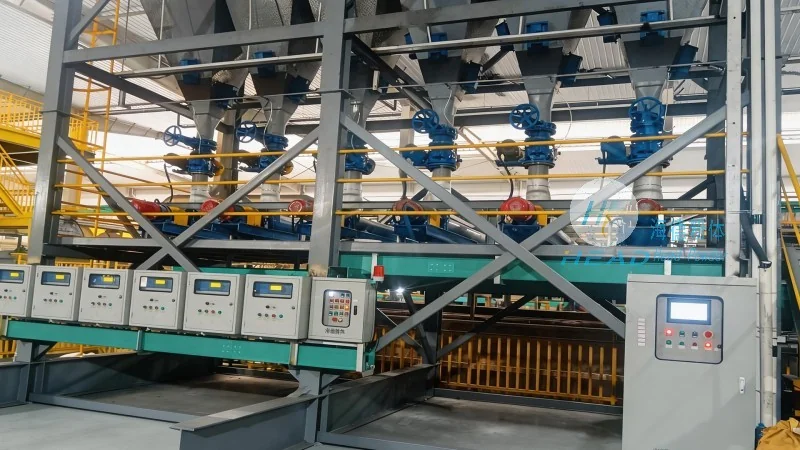
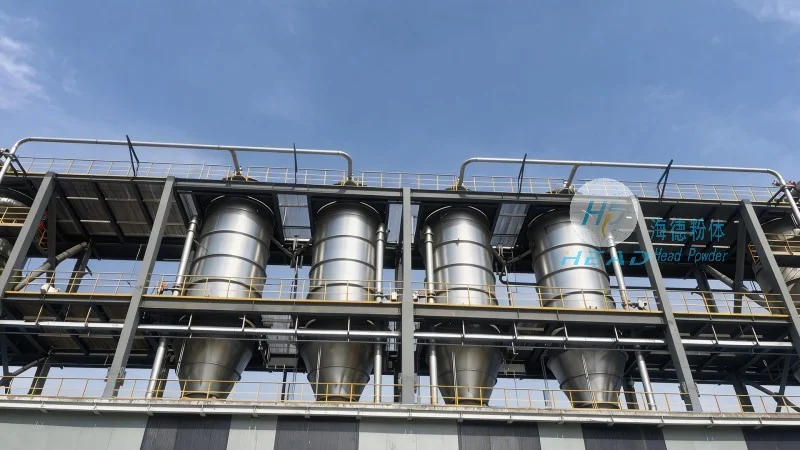
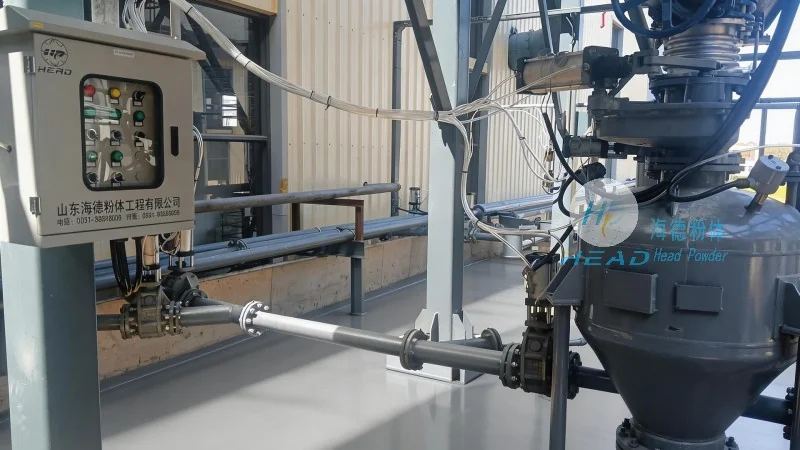
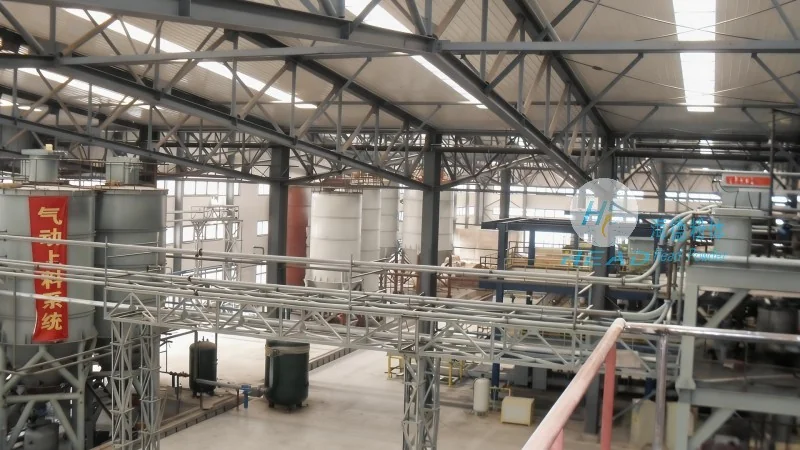
Product center covers full-range conveying systems, batching systems, host equipment and accessories.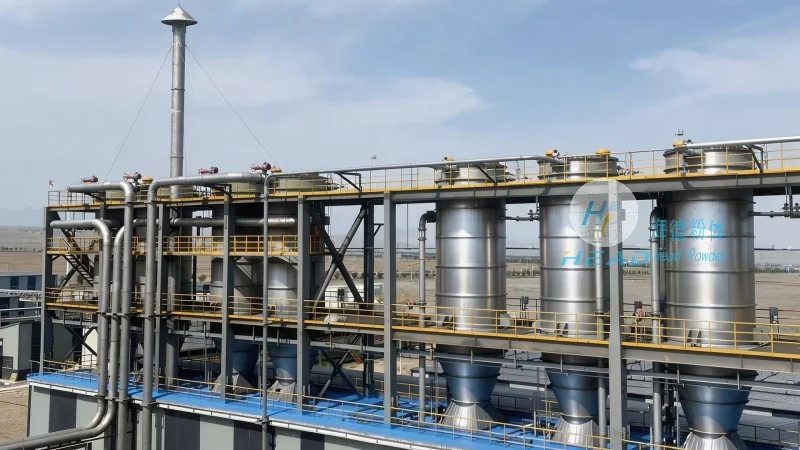
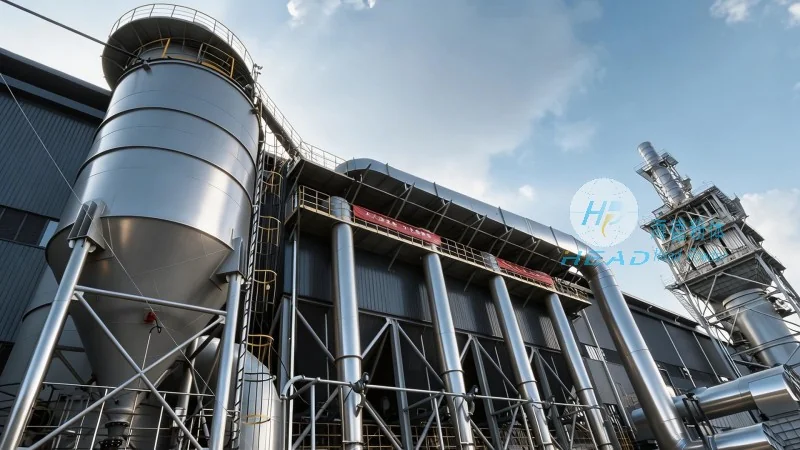
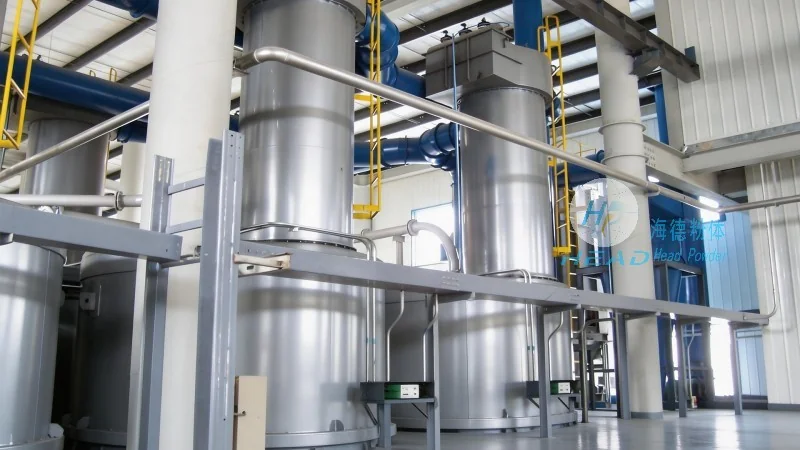
Manufacturers in the rubber compounding industry often face operational bottlenecks when moving rubber additive pellets from storage to mixing or dosing points. Common pain points include pellet degradation due to mechanical impact, inconsistent flow rates causing production downtime, dust generation that compromises workplace safety and product quality, and the difficulty of integrating conveying equipment with existing plant layouts. These issues not only reduce efficiency but also increase maintenance costs and material waste.
Rubber additive pellets are typically produced in a cylindrical or spherical shape with diameters ranging from 1 mm to 6 mm. They have a relatively low bulk density (0.5–0.8 g/cm³), moderate hardness, and a tendency to generate fine dust when subjected to high shear forces. The pellets are often slightly tacky or coated with a thin layer of processing oil, which can cause sticking or bridging in conventional conveying systems. Additionally, some formulations contain heat-sensitive ingredients that require gentle handling and controlled temperature exposure during transport.
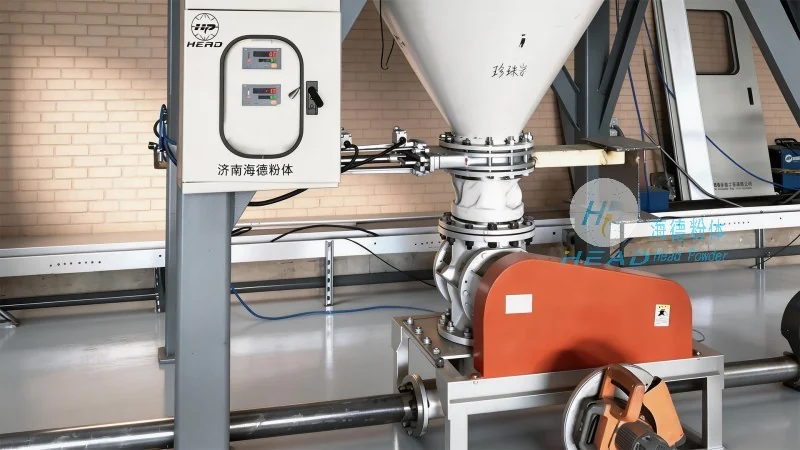
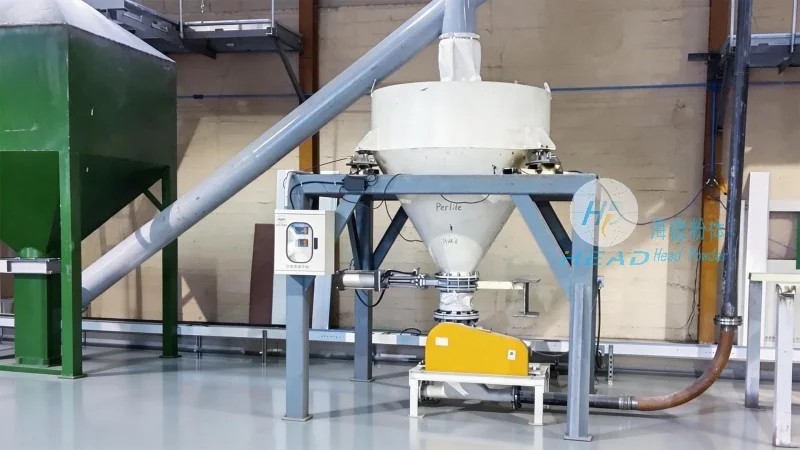
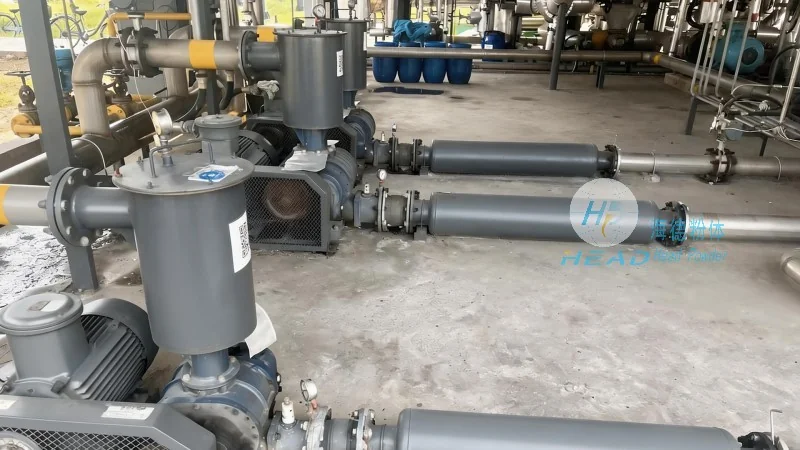
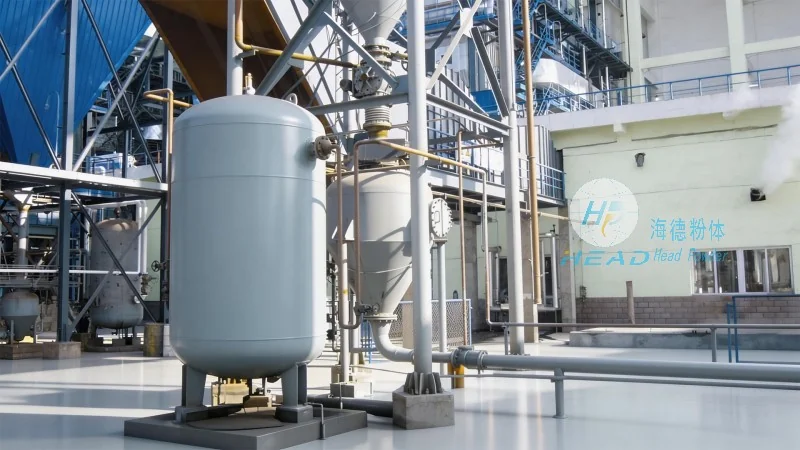
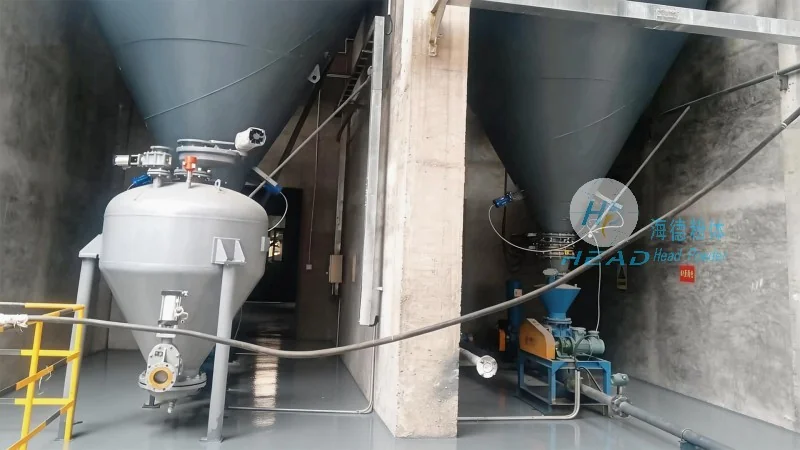
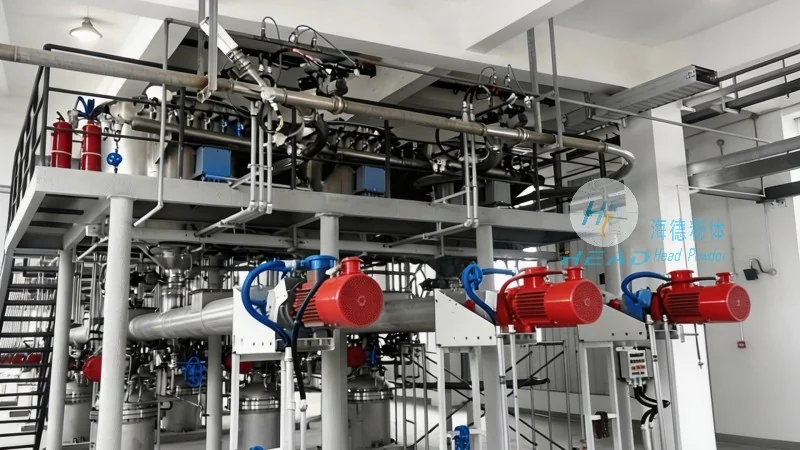
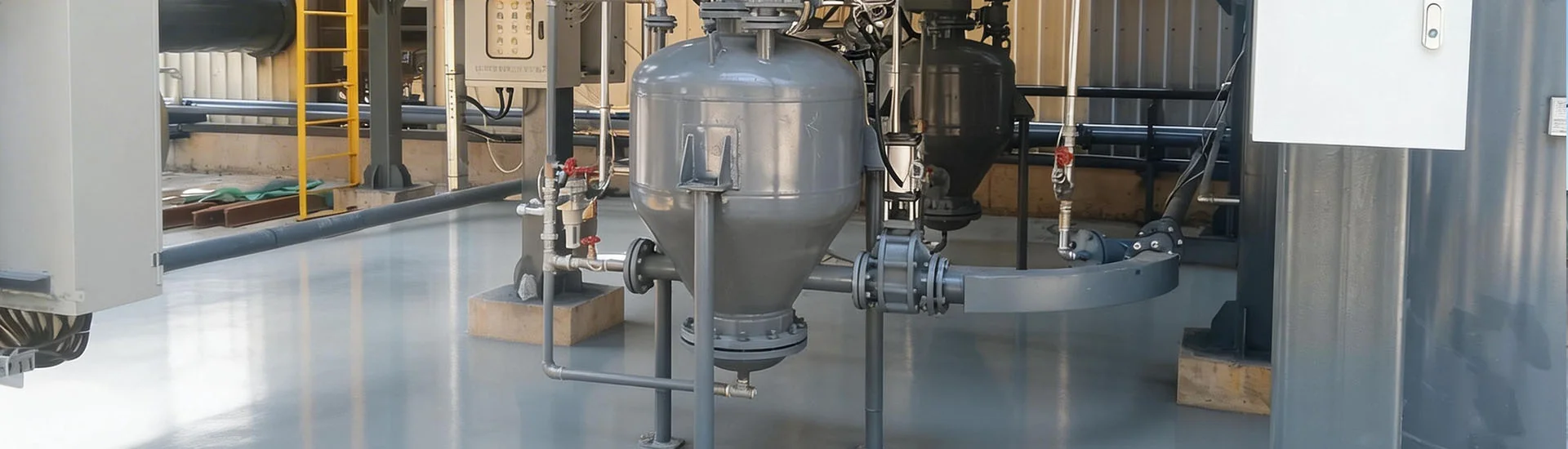
Headpowder offers a fully customizable pneumatic conveying solution specifically engineered for rubber additive pellets. The system utilizes a combination of dilute-phase or dense-phase pneumatic technology selected based on the specific pellet characteristics and plant requirements. Key components include a pellet-friendly feeder (venturi or rotary valve), a specially designed conveying pipeline with wear-resistant bends, a high-efficiency cyclone separator, and a compact dust collection unit. The entire system is modular and can be integrated with upstream mixers, bag dump stations, or storage silos.
To solve pellet degradation issues, the conveying velocity is precisely controlled and the pipeline routing is optimized to minimize impact points. The gentle conveying action reduces fines generation by over 60% compared to traditional mechanical conveyors. Flow consistency is ensured through closed-loop pressure control and variable frequency drives on the blower, eliminating surging and blockages. The fully enclosed design prevents dust leakage, meeting workplace hygiene standards and reducing raw material losses. Furthermore, the system layout can be adapted to fit tight spaces with vertical, horizontal, or combination routing, simplifying retrofitting into existing production lines.
Low Degradation Conveying – The system employs controlled air velocity and smooth pipeline transitions to minimize pellet breakage, preserving particle integrity throughout the transport cycle.
Dust-Free Operation – All transfer points are sealed with gasketed connections and integrated with a dust filtration unit, ensuring negligible fugitive emissions and a cleaner working environment.
Flexible Integration – Modular design allows easy connection to upstream equipment (mixers, silos) and downstream processes, with customization of inlet/outlet positions, material handling capacity, and control interfaces.
Automated Control & Monitoring – PLC-based control system with touchscreen HMI provides real-time data on air pressure, material flow rate, and system alarms, enabling precise batch management and remote troubleshooting.
Conveying Capacity – 500 kg/h to 5,000 kg/h, adjustable via blower speed and feeder calibration; suitable for both small batch and continuous production lines.
Air Consumption – 10–50 Nm³/min depending on conveying distance and pellet density; optimized using pipeline sizing software to balance energy use and performance.
Max Conveying Distance – Up to 150 meters horizontally and 30 meters vertically, with intermediate booster stations available for extended layouts.
Operating Pressure – 0.02–0.8 bar (dilute phase) or 0.5–2.5 bar (dense phase); designed with safety relief valves and burst discs to prevent overpressure conditions.

 Shandong headpowder Engineering Co., Ltd.
 156-6277-7102(Manager Zhang)
  0531-83386006
  Jinan City, Shandong Province, China
服务热线
微信咨询
回到顶部