

How to Choose the Right Pneumatic Conveying System for Your Iron Concentrate Handling Process
For industrial operations dealing with iron concentrate, selecting the appropriate pneumatic conveying system is crucial for ensuring efficient material handling, minimizing downtime, and maintaining product quality. The choice of system directly impacts the overall performance and cost-effectiveness of the iron concentrate processing workflow. In this article, we will explore key considerations and factors that help in selecting the right pneumatic conveying system tailored to your specific iron concentrate handling needs.
Understanding the Core Requirements of Iron Concentrate Handling
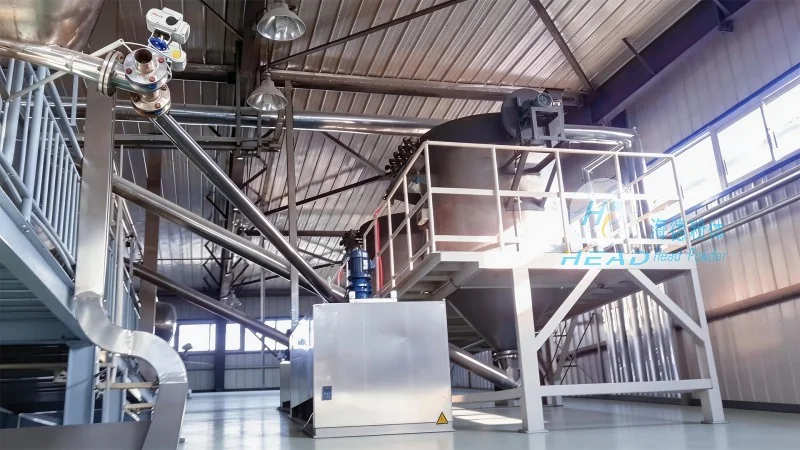
Iron concentrate, a critical intermediate product in the iron and steel industry, often requires specialized handling due to its particle size, moisture content, and flow characteristics. The efficiency of the conveying system directly influences the downstream processes such as storage, mixing, and further processing. Therefore, it is essential to evaluate the unique properties of iron concentrate before deciding on a pneumatic conveying solution.
Key Factors Influencing Pneumatic Conveying System Selection
Several critical factors must be considered when choosing a pneumatic conveying system for iron concentrate. These include the particle size distribution, moisture level, bulk density, and the required conveying distance. The system must be capable of handling the specific flow rate and pressure requirements to ensure smooth operation. Additionally, the system's ability to prevent material degradation, caking, or segregation is vital for maintaining product integrity.
Types of Pneumatic Conveying Systems for Iron Concentrate
There are primarily two types of pneumatic conveying systems used in iron concentrate handling: positive pressure and negative pressure systems. Each type has its own advantages and is suitable for different operational scenarios.
Positive Pressure Pneumatic Conveying Systems
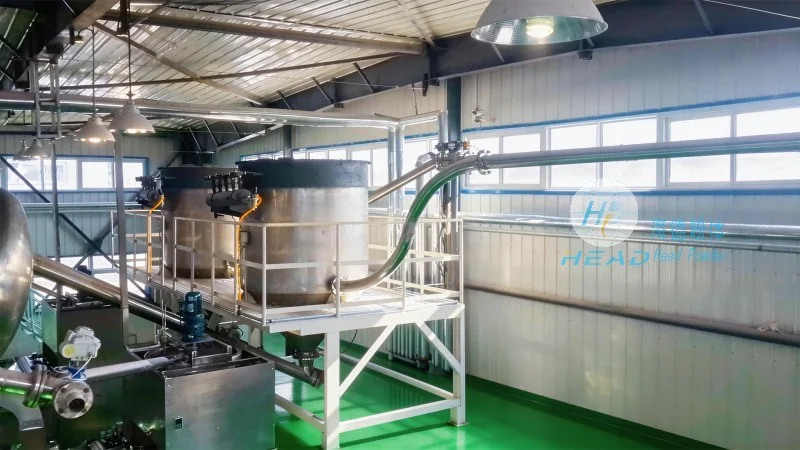
Positive pressure systems use a blower or fan to generate air pressure that pushes the material through the pipeline. These systems are ideal for conveying iron concentrate over long distances and for applications where the material needs to be transported under high pressure. They are particularly effective when dealing with abrasive or corrosive materials, as the system can maintain a consistent flow rate and pressure.
Negative Pressure Pneumatic Conveying Systems
Negative pressure systems, also known as vacuum systems, use a vacuum pump to create a suction that pulls the material into the pipeline. These systems are suitable for short to medium distance conveying and are often used in applications where the material needs to be collected from multiple points or where the environment requires a closed system to prevent dust emissions.
Considerations for System Design and Installation
When designing a pneumatic conveying system for iron concentrate, several technical aspects must be addressed. The selection of appropriate pipe materials, such as stainless steel or special alloys, is essential to prevent corrosion and wear caused by the abrasive nature of iron concentrate. The system's control mechanisms, including pressure sensors and flow meters, are crucial for monitoring and maintaining optimal operation. Additionally, the integration of the system with existing infrastructure, such as storage silos and processing equipment, must be carefully planned to ensure seamless workflow.
Role of Shandong HeadPowder Engineering Co., Ltd. in Pneumatic Conveying Solutions
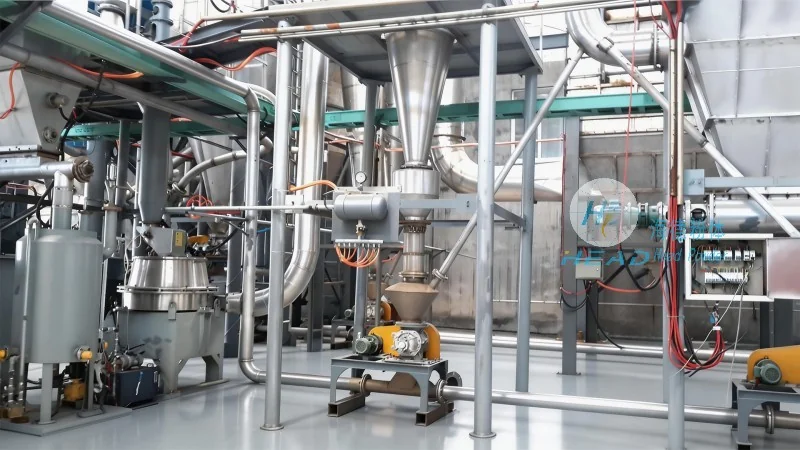
Shandong HeadPowder Engineering Co., Ltd., a leading provider of industrial engineering solutions, specializes in designing and manufacturing customized pneumatic conveying systems tailored to the unique needs of iron concentrate handling. With years of experience in the industry, the company understands the challenges associated with handling iron concentrate and offers innovative solutions that enhance operational efficiency and reduce maintenance costs.
The company's team of engineers and technicians work closely with clients to assess their specific requirements, from material properties to operational constraints, and develop a comprehensive system design. By leveraging advanced technology and materials, Shandong HeadPowder Engineering Co., Ltd. ensures that the pneumatic conveying systems are not only efficient but also durable and reliable, meeting the highest industry standards.
Conclusion: Making the Right Choice for Your Iron Concentrate Handling Process
Selecting the right pneumatic conveying system for iron concentrate handling is a critical decision that impacts the overall performance and profitability of your operation. By considering factors such as material properties, conveying distance, and system type, and partnering with a reputable engineering company like Shandong HeadPowder Engineering Co., Ltd., you can ensure that your iron concentrate handling process is optimized for efficiency, reliability, and cost-effectiveness.