

Introduction to Resin Sand Powder Conveying Systems: Structure and Working Principles
Resin sand powder conveying systems are integral to modern foundry operations, facilitating the efficient transport of resin-coated sand from storage to molding stations. This article provides a detailed introduction to the system's structure and operational principles, outlining the key components and their functions to help users understand how these systems enhance casting production efficiency and quality.
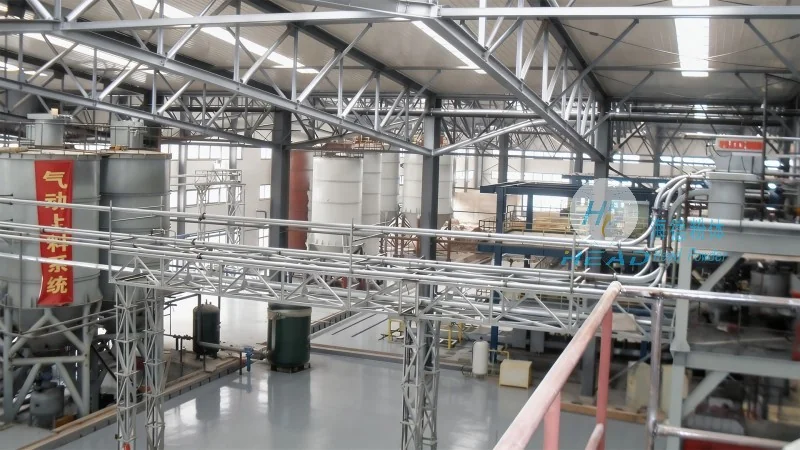
Introduction to Resin Sand Powder Conveying Systems
Resin sand powder conveying systems are specialized equipment designed to handle the transportation of resin-coated sand, a critical material in the casting process. These systems are used in foundries to move sand from storage bins to molding machines, ensuring a consistent and controlled flow that supports the production of high-quality castings. The systems are engineered to maintain the integrity of the sand mixture, prevent segregation, and minimize dust generation, which are all essential for maintaining casting quality and worker safety.
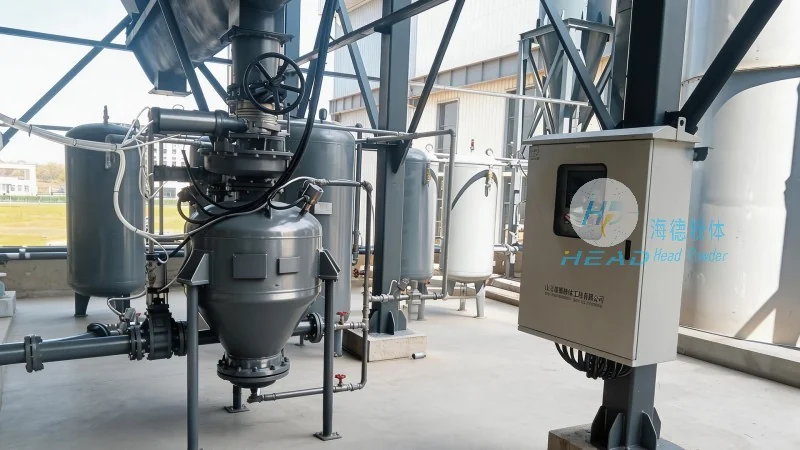
Key Components and Their Functions
The resin sand powder conveying system consists of several key components, each playing a vital role in the overall operation. The primary components include the storage hopper, conveyor mechanism, control panel, and auxiliary systems such as dust collection and filtration units. The storage hopper is typically made of stainless steel or other corrosion-resistant materials to prevent the resin sand from degrading due to moisture or contamination. It is designed with a sloped bottom to facilitate the flow of sand and prevent material buildup. The conveyor mechanism, which can be either mechanical (e.g., screw or belt conveyor) or pneumatic (using compressed air), is responsible for moving the sand from the hopper to the molding line. The control panel monitors and regulates the flow rate, pressure, and speed of the conveyor, ensuring that the sand is delivered at the optimal rate for the molding process. The dust collection system is integrated to capture and filter airborne particles, maintaining a clean and safe working environment.
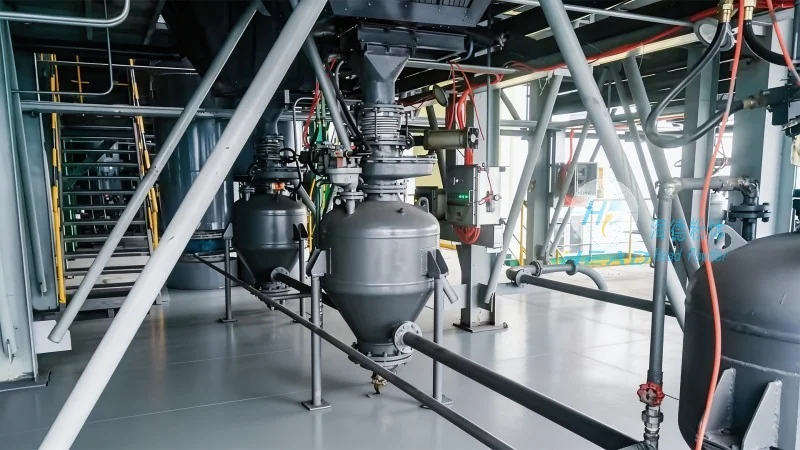
Working Principle: Step-by-Step Operation
The operation of a resin sand powder conveying system follows a systematic process that ensures smooth and continuous sand transport. The process begins with the loading of resin sand into the storage hopper. The control system then activates the conveyor, which starts moving the sand from the hopper. In mechanical conveyors, the screw or belt rotates, pushing the sand forward. In pneumatic systems, compressed air is introduced into the conveyor line, creating a flow that carries the sand particles. The system maintains a consistent flow rate by adjusting the speed of the conveyor or the air pressure, depending on the type of system. The sand is then delivered to the molding machine, where it is used to create the mold for the casting. The control panel continuously monitors the system's performance, adjusting parameters as needed to maintain optimal operation.
Advantages of Implementing Resin Sand Powder Conveying Systems
Adopting resin sand powder conveying systems offers numerous benefits for foundries and casting manufacturers. One of the most significant advantages is the improvement in production efficiency. Automated systems eliminate the need for manual sand handling, reducing labor costs and increasing throughput. They also ensure consistent sand flow, which leads to more uniform casting surfaces and reduced defects. Additionally, these systems enhance product quality by maintaining the correct resin-to-sand ratio and preventing material segregation. This consistency is crucial for achieving the desired mechanical properties of the castings. Another advantage is the improvement in workplace safety. The dust collection and filtration systems reduce airborne dust, minimizing the risk of respiratory issues and other health hazards. The automated nature of the system also reduces the risk of accidents associated with manual handling of heavy or dusty materials.
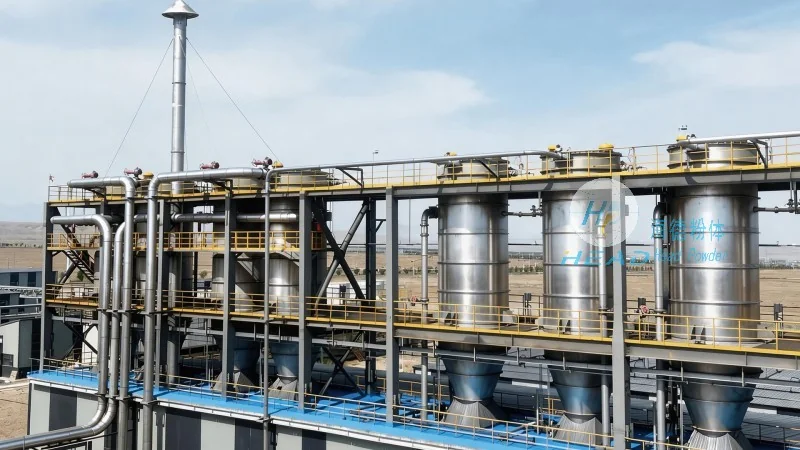
Application Scenarios and Industrial Use
Resin sand powder conveying systems are widely used in various industries that rely on casting production. The automotive industry, for example, uses these systems to manufacture engine blocks, transmission cases, and other critical components. The aerospace industry utilizes them for producing turbine parts and other high-performance components that require precise casting. Heavy machinery manufacturers also benefit from these systems when producing parts such as gears, bearings, and structural components. The systems are particularly valuable in foundries that produce large volumes of castings, as they can handle high throughput rates while maintaining precision. They are also suitable for applications where the sand needs to be mixed with resin at a specific ratio, ensuring optimal bonding properties for the castings. By integrating these systems into their production lines, manufacturers can improve their overall productivity, reduce costs, and enhance the quality of their products.