

Introduction to Paper Sheet Powder Conveying System: Structure and Working Principle Explanation
HeadPowder, a leading provider of industrial conveying solutions, specializes in the design and manufacturing of efficient powder handling systems. This article provides an overview of the paper sheet powder conveying system, detailing its structural components and operational principles to help users understand its functionality and benefits.
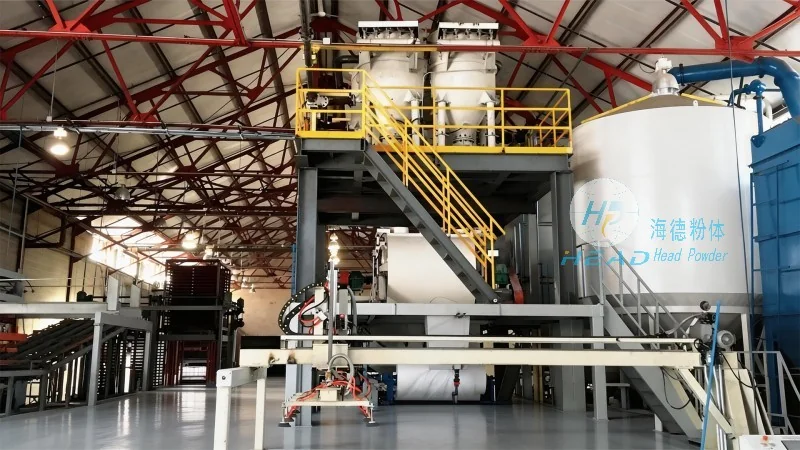
Overview of the Paper Sheet Powder Conveying System
The paper sheet powder conveying system is engineered to transport fine powders, such as those used in pharmaceutical, food, and chemical industries, with precision and reliability. It combines advanced mechanical design with robust materials to ensure consistent performance under various operational conditions. The system is tailored to meet the specific requirements of different applications, offering flexibility in handling diverse powder types and processing needs.
Key Structural Components of the System
The core components of the paper sheet powder conveying system include the feeding mechanism, the conveying tube, the drive system, and the control unit. Each component plays a critical role in the overall operation of the system. The feeding mechanism is responsible for introducing the powder into the system, ensuring a uniform flow rate. The conveying tube, typically made of high-quality materials like stainless steel or food-grade plastics, provides a smooth and hygienic path for the powder. The drive system, which may consist of motors and pulleys or direct-drive mechanisms, powers the movement of the powder through the tube. The control unit, equipped with sensors and digital controls, monitors and adjusts the system's performance in real-time, ensuring optimal operation and preventing issues like blockages or overloading.
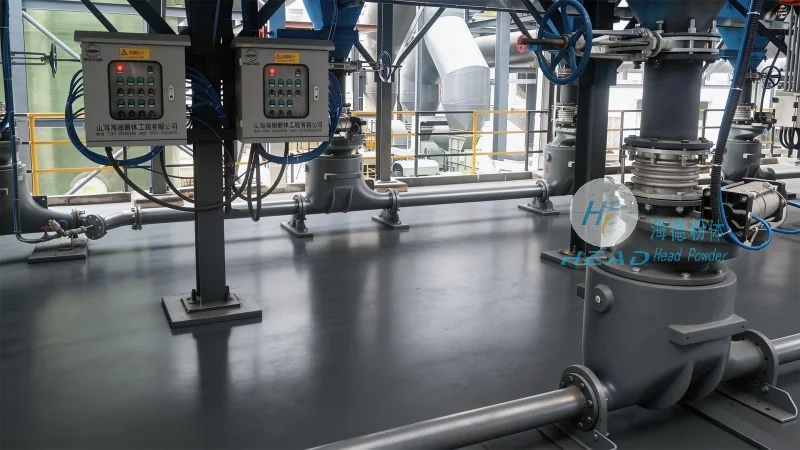
Working Principle of the System
The operation of the paper sheet powder conveying system is based on the principle of pneumatic or mechanical transport. In pneumatic systems, compressed air is used to create a flow of air and powder through the conveying tube. The air flow propels the powder particles forward, while the tube's design minimizes friction and particle degradation. Mechanical systems, on the other hand, use rotating components like screws or belts to move the powder. The choice between pneumatic and mechanical transport depends on factors such as the powder's characteristics, the required conveying distance, and the system's efficiency. The system's design ensures that the powder is transported without segregation or agglomeration, maintaining the quality of the material throughout the process.
Advantages of the Paper Sheet Powder Conveying System
Implementing a paper sheet powder conveying system offers several advantages for industrial applications. Firstly, it enhances process efficiency by reducing downtime and improving material throughput. The system's ability to handle fine powders without clogging or degradation minimizes product loss and waste. Secondly, it improves safety by eliminating the need for manual handling of powders, which can be hazardous due to dust exposure or material properties. The enclosed design of the system also prevents contamination and cross-contamination, ensuring product quality and compliance with industry standards. Additionally, the system's modular design allows for easy integration into existing production lines and scalability to meet growing production demands.
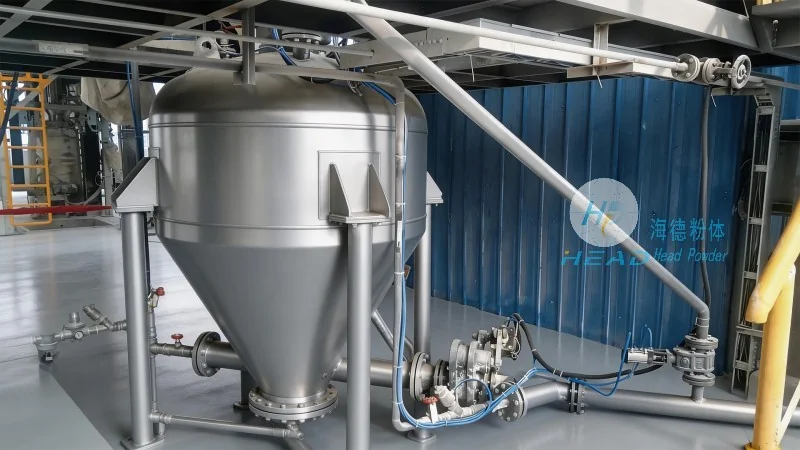
Applications and Industries
The paper sheet powder conveying system is widely used in various industries where fine powders are processed. In the pharmaceutical industry, it is used to transport active pharmaceutical ingredients (APIs) and excipients, ensuring precise dosing and quality control. In the food industry, it handles ingredients like flour, sugar, and spices, maintaining hygiene and preventing contamination. The chemical industry also utilizes this system for transporting chemicals, pigments, and other powders, where consistent quality and safety are paramount. Other applications include the cosmetics and agricultural sectors, where the system's ability to handle diverse powders is beneficial.
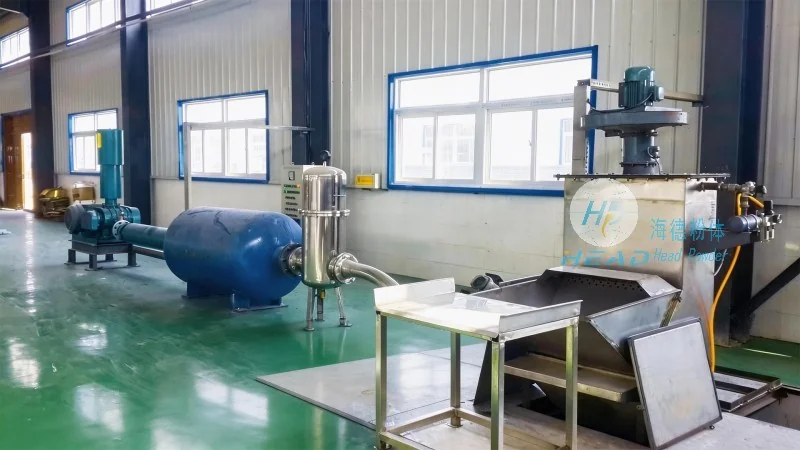
Maintenance and Operational Considerations
To ensure the longevity and efficiency of the paper sheet powder conveying system, regular maintenance is essential. This includes cleaning the conveying tube and components to prevent powder buildup, inspecting the drive system for wear and tear, and checking the control unit for proper functionality. Proper maintenance can extend the system's lifespan and reduce the risk of operational issues. Additionally, operators should follow the manufacturer's guidelines for operating the system, including proper feeding rates and monitoring of pressure and flow. By adhering to these considerations, users can maximize the system's performance and minimize downtime.
Conclusion
The paper sheet powder conveying system, developed by Shandong HeadPowder Engineering Co., Ltd., represents a reliable and efficient solution for handling fine powders in various industrial applications. Its robust design, advanced components, and operational principles ensure consistent performance and product quality. By understanding the system's structure and working principles, users can make informed decisions about its implementation and maintenance, ultimately enhancing their production processes and meeting industry standards.