

Introduction to Nitrile Rubber Pneumatic Conveyors: Structure and Working Principles
HeadPowder, a leading manufacturer based in Shandong, China, specializes in the design and production of advanced pneumatic conveying systems tailored for handling nitrile rubber and other industrial materials. This article provides an overview of nitrile rubber pneumatic conveyors, detailing their structural components and operational principles to help users understand their functionality and benefits.
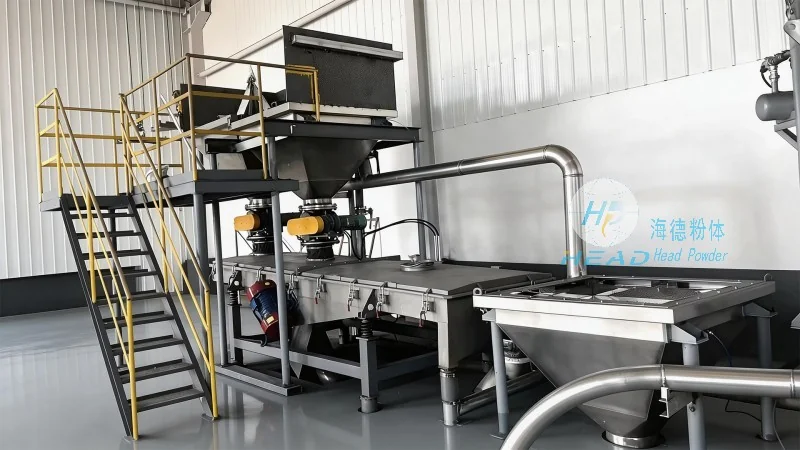
Overview of Nitrile Rubber Pneumatic Conveyors
Nitrile rubber pneumatic conveyors are specialized equipment used for the efficient and safe transport of nitrile rubber particles or granules within industrial settings. These systems are engineered to handle the unique properties of nitrile rubber, such as its resistance to oil, fuel, and other chemicals, while ensuring minimal material degradation during transport. The design of these conveyors is crucial for maintaining material integrity and optimizing process efficiency in various manufacturing and processing applications.
Key Structural Components of Nitrile Rubber Pneumatic Conveyors
The nitrile rubber pneumatic conveyor system typically consists of several essential components that work in concert to facilitate material transport. These components include the hopper or feed inlet, which serves as the entry point for the nitrile rubber material. The hopper is designed with a smooth interior to prevent material buildup and ensure consistent feeding. Connected to the hopper is the conveyor line, which may be made from materials resistant to nitrile rubber, such as stainless steel or specialized polymers, to avoid chemical reactions or contamination.
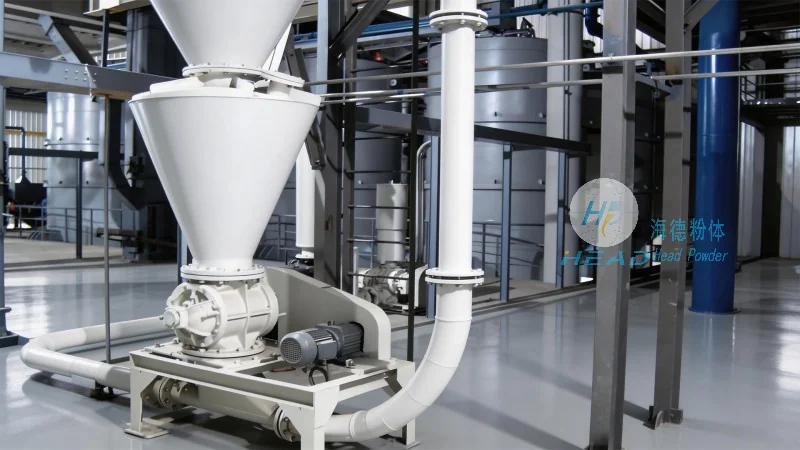
At the heart of the system is the air compressor or blower, which generates the necessary airflow to move the material through the conveyor line. The compressor is equipped with controls to regulate pressure and flow, ensuring optimal performance. The conveying line itself is a flexible or rigid tube that transports the material, often equipped with internal liners or coatings to enhance durability and prevent wear. Additionally, the system includes a separator or cyclone unit at the discharge end, which separates the conveyed material from the air stream, allowing for clean material collection and air recycling.
Working Principles of Nitrile Rubber Pneumatic Conveyors
The operation of a nitrile rubber pneumatic conveyor is based on the principle of air suspension, where the material is lifted and transported by a stream of air. The process begins when the nitrile rubber is introduced into the hopper. As the air compressor generates high-pressure air, it is directed into the conveyor line, creating a flow that lifts the material particles. The air flow is carefully controlled to maintain a consistent velocity, ensuring that the material is transported without excessive pressure or friction that could damage the particles.
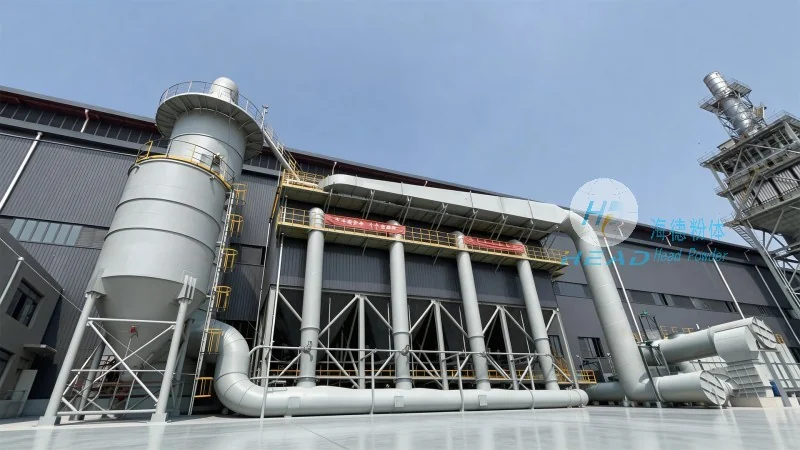
During transport, the material remains suspended in the air stream, moving through the conveyor line to the discharge point. The separator or cyclone unit at the end of the line uses centrifugal force to separate the material from the air. The air is then filtered and recycled back to the compressor, while the nitrile rubber is collected in a designated container. This closed-loop system minimizes material loss and reduces environmental impact, making it an efficient and sustainable solution for material handling.
Benefits and Applications of Nitrile Rubber Pneumatic Conveyors
Nitrile rubber pneumatic conveyors offer several advantages over traditional mechanical conveyors, particularly in applications involving nitrile rubber. These systems provide a dust-free and hygienic transport method, which is critical in industries where material contamination must be avoided, such as pharmaceuticals or food processing. Additionally, the enclosed design reduces the risk of material exposure to external elements, enhancing safety and compliance with regulatory standards.
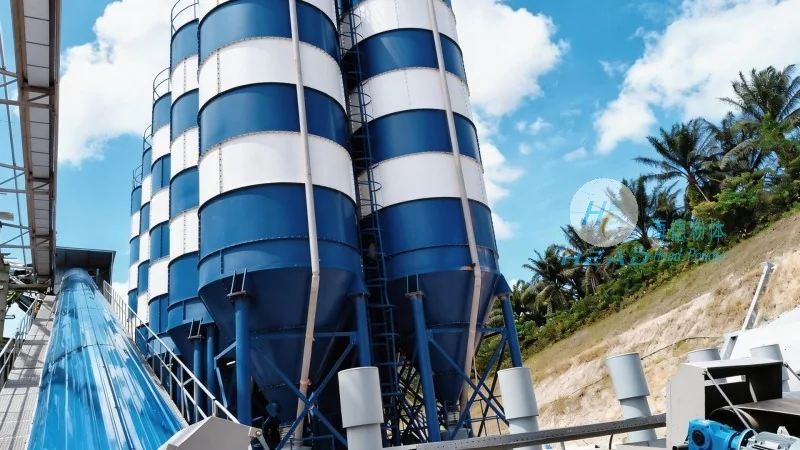
The flexibility of pneumatic conveyors allows for easy integration into existing production lines, with the ability to change the direction or length of the conveyor line as needed. This adaptability makes them suitable for various industrial applications, including the transportation of nitrile rubber in tire manufacturing, automotive parts production, and chemical processing facilities. The system's ability to handle different particle sizes and material densities also makes it versatile for diverse operational requirements.
Conclusion
HeadPowder's nitrile rubber pneumatic conveyors represent a reliable and efficient solution for material handling in industrial environments. By understanding the structural components and working principles of these systems, users can make informed decisions about their application in various processes. The combination of advanced engineering and robust design ensures that these conveyors deliver consistent performance, maintaining material quality and operational efficiency. As a manufacturer based in Shandong, China, HeadPowder continues to innovate in the field of pneumatic conveying technology, providing tailored solutions to meet the specific needs of its clients.