

Introduction to Activated Carbon Powder Pneumatic Conveying Equipment and Its Structural Principles
Activated carbon powder pneumatic conveying equipment is a specialized system designed for the efficient and reliable transportation of activated carbon powder in industrial applications. This equipment plays a crucial role in various processes, ensuring that the material is moved from one location to another with minimal loss and maximum efficiency. The following sections will provide an overview of the equipment's structure and operational principles, highlighting the key components and how they work together to achieve effective powder handling.
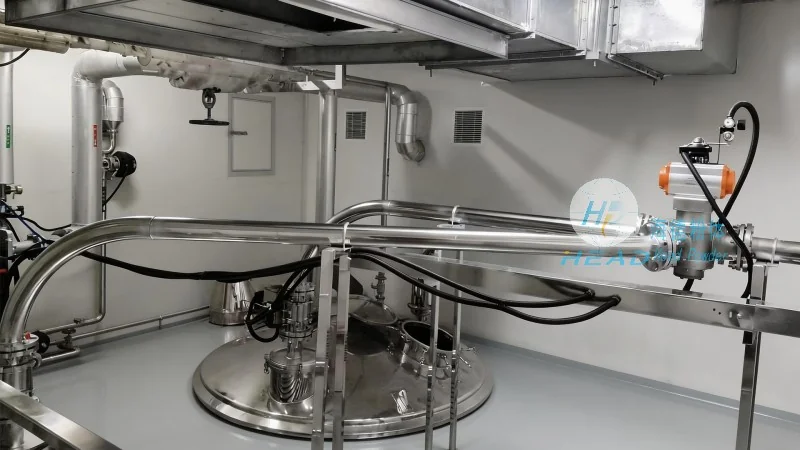
Key Components of the Pneumatic Conveying System
The activated carbon powder pneumatic conveying system typically consists of several core components that work in tandem to facilitate the movement of the powder. These components include the hopper, which serves as the storage and feeding unit; the conveyor line, which is the main channel for transporting the material; the air supply system, responsible for generating the necessary airflow; and the control unit, which manages the entire operation. Each component is carefully designed to ensure optimal performance and durability in handling activated carbon powder, which can be a fine and potentially abrasive material.
Structural Design and Operational Principles
The structural design of the activated carbon powder pneumatic conveying equipment is tailored to address the unique challenges associated with transporting fine powders like activated carbon. The hopper is often equipped with a feeding mechanism, such as a rotary valve or a screw feeder, to control the flow of the powder into the conveyor line. This helps in maintaining a consistent feed rate, preventing blockages and ensuring smooth operation. The conveyor line itself is usually made of materials that are resistant to corrosion and wear, as activated carbon can be abrasive and may contain chemicals that could degrade certain materials over time. The air supply system typically uses a blower or a compressor to generate the required airflow, which is directed through the conveyor line to create a pressure differential that propels the powder forward.
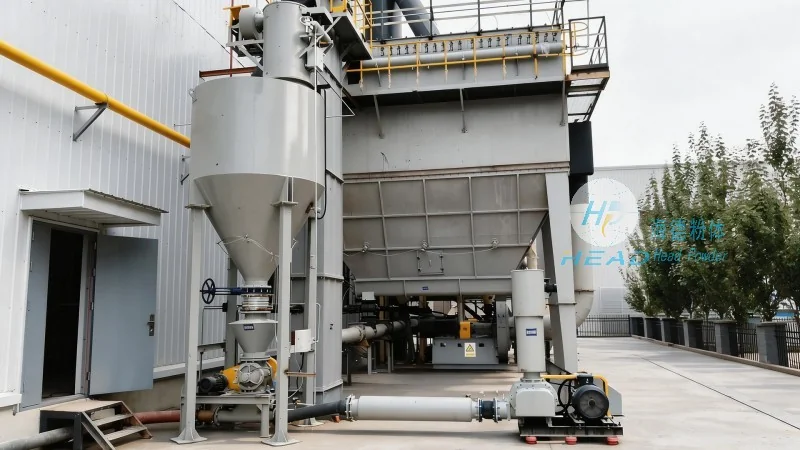
How the System Works: A Step-by-Step Overview
The operation of the activated carbon powder pneumatic conveying system involves several sequential steps. First, the activated carbon powder is fed into the hopper from a storage silo or a processing unit. The feeding mechanism then regulates the flow of the powder into the conveyor line. Simultaneously, the air supply system generates the necessary airflow, which is introduced into the conveyor line at a specific point. As the air flows through the line, it creates a low-pressure zone that draws the powder particles into the airflow. The combination of the air flow and the powder particles forms a dense mixture, often referred to as a slurry or a suspension, which is then transported through the conveyor line to the destination point. At the receiving end, the powder is separated from the air using a separator or a cyclone, and the air is either recirculated or discharged, depending on the system design.
Advantages of Using Pneumatic Conveying for Activated Carbon Powder
Employing pneumatic conveying for activated carbon powder offers several advantages over traditional methods like bucket elevators or belt conveyors. One of the primary benefits is the ability to handle fine powders without the risk of clogging or material degradation. The enclosed system also helps in maintaining the purity of the activated carbon, preventing contamination from external sources. Additionally, pneumatic conveying systems can be designed to operate in a closed loop, reducing dust emissions and improving workplace safety. The flexibility of the system allows for easy integration into existing production lines, and the control unit enables precise regulation of the feed rate and airflow, ensuring consistent performance.
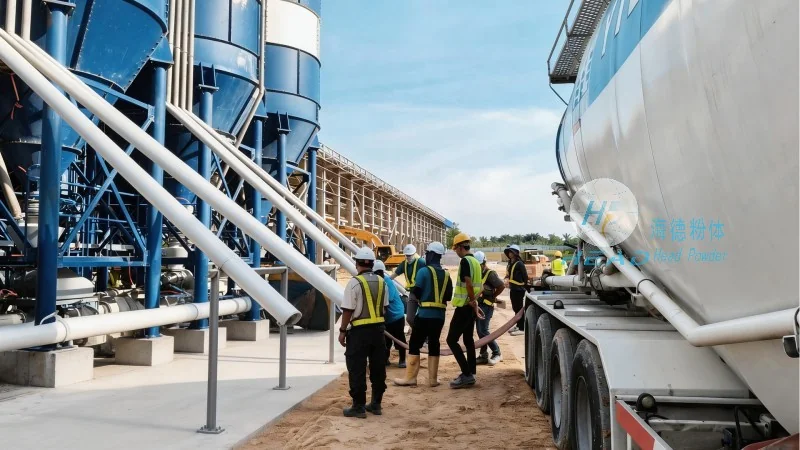
Applications and Industries
Activated carbon powder pneumatic conveying equipment is widely used in various industries that rely on activated carbon for their processes. These include water treatment facilities, where activated carbon is used for adsorption of impurities and contaminants; pharmaceutical manufacturing, where it is used as a filter medium or an adsorbent in drug production; and chemical processing industries, where it is used in the production of activated carbon-based products. The equipment is also utilized in food and beverage industries for filtration and purification processes, as well as in environmental remediation projects where activated carbon is used for soil and water treatment.
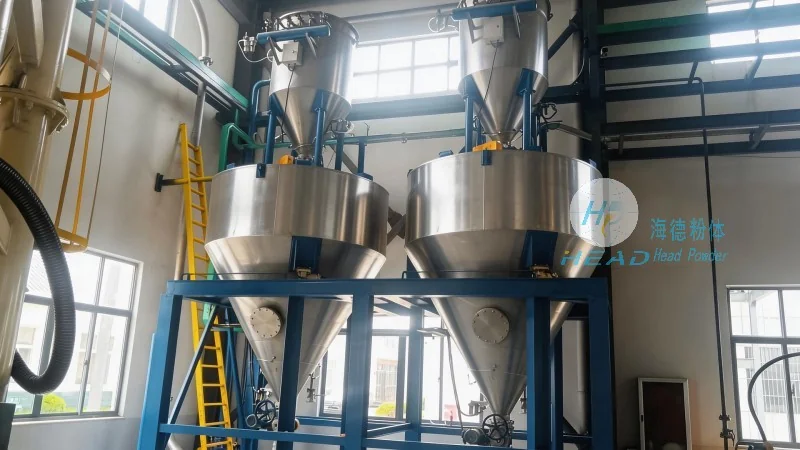
Maintenance and Operational Considerations
To ensure the longevity and efficiency of the activated carbon powder pneumatic conveying system, regular maintenance is essential. This includes inspecting the hopper and feeding mechanisms for any signs of wear or blockage, checking the air supply system for proper operation and air pressure, and cleaning the conveyor line and separator regularly to prevent buildup of powder and debris. The control unit should be monitored for any abnormal readings or malfunctions, as it plays a critical role in maintaining the system's performance. Proper training of operators is also important to ensure that the system is operated correctly and that any issues are addressed promptly. By following these maintenance and operational guidelines, the system can operate at optimal levels, minimizing downtime and maximizing productivity.
Conclusion
Activated carbon powder pneumatic conveying equipment is a vital component in industries that rely on the efficient handling of fine powders. Its structural design and operational principles are tailored to address the unique challenges of transporting activated carbon powder, ensuring that the material is moved safely, efficiently, and with minimal loss. The system's advantages, including its ability to handle fine powders without clogging, maintain material purity, and operate in a closed loop, make it a preferred choice over traditional methods. With proper maintenance and operational considerations, this equipment can provide reliable performance for years, contributing to the overall productivity and success of industrial processes.