

Introduction to Polyethylene Pellet Pneumatic Conveying Equipment: Structure and Working Principle
HeadPowder, a leading engineering firm based in Shandong, China, specializes in the design and manufacturing of advanced pneumatic conveying systems. This article provides an overview of the polyethylene pellet pneumatic conveying equipment, focusing on its structural design and operational principles to help users understand its functionality and application in industrial settings.
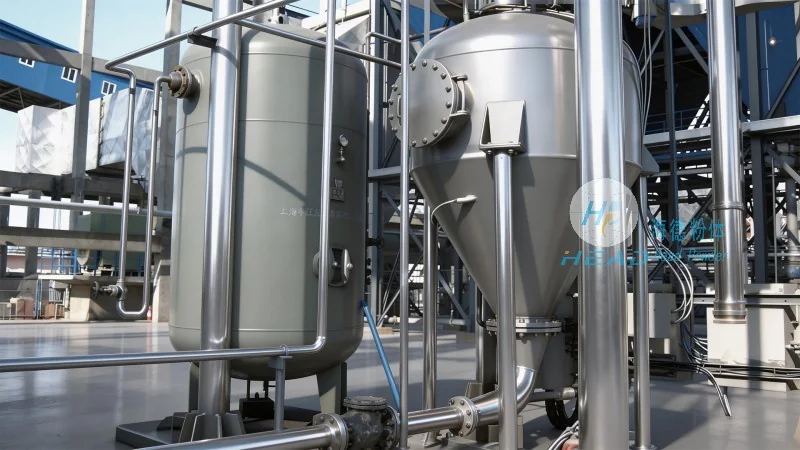
Polyethylene Pellet Pneumatic Conveying Equipment: An Overview
Polyethylene (PE) pellets are widely used in various industries, including plastics manufacturing, packaging, and chemical processing. The efficient handling of these lightweight, free-flowing materials is crucial for maintaining production efficiency and product quality. Pneumatic conveying systems offer a solution by transporting polyethylene pellets through an air stream, eliminating the need for mechanical components like belts or screws that can cause contamination or wear. This equipment is particularly suitable for applications requiring clean, dust-free, and continuous material transfer.
Key Components and Structural Design
The polyethylene pellet pneumatic conveying equipment consists of several core components that work in tandem to ensure reliable operation. The primary components include the hopper, which serves as the material storage and feeding unit; the air compressor or blower, which generates the necessary air pressure to move the pellets; the conveying line, typically made of flexible or rigid tubing, that transports the material; and the discharge unit, which delivers the pellets to the destination point. The hopper is designed with a conical or rectangular shape to facilitate uniform material flow and prevent clogging. It may also incorporate a rotary valve or feeder to control the discharge rate and maintain consistent air flow. The air compressor is selected based on the required air volume and pressure, ensuring sufficient force to overcome resistance in the conveying line and lift the pellets. The conveying line is often made of stainless steel or high-quality plastic to withstand the abrasive nature of polyethylene pellets and resist corrosion. The discharge unit may include a filter or separator to remove any entrained air or fine particles before the pellets are deposited at the receiving point.
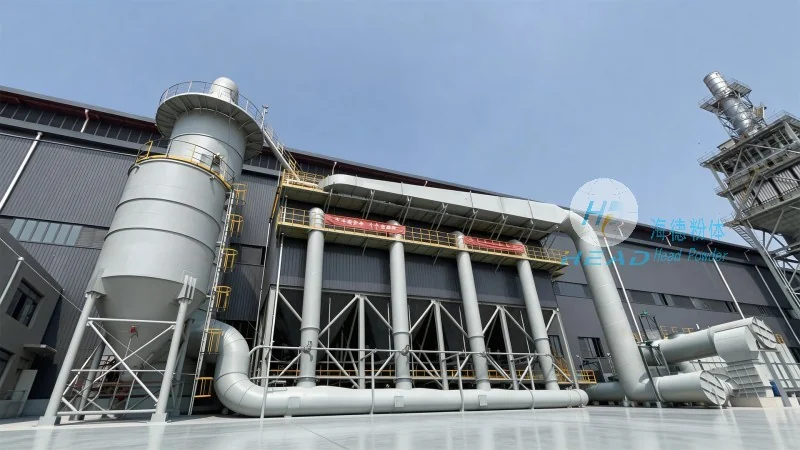
Working Principle of the Pneumatic Conveying System
The operation of the polyethylene pellet pneumatic conveying equipment is based on the principle of air flow and particle suspension. When the air compressor starts, it generates a high-pressure air stream that enters the hopper. The air flows through the material, creating a low-pressure zone that draws the polyethylene pellets into the conveying line. As the pellets travel through the line, they are suspended in the air stream, moving towards the discharge unit. The velocity of the air stream is carefully controlled to maintain the pellets in a suspended state without causing excessive wear or degradation. The system may use different conveying modes, such as dilute phase (where particles are dispersed in the air stream) or dense phase (where particles are more concentrated), depending on the application requirements. Dilute phase conveying is suitable for long-distance or high-volume transport, while dense phase conveying is preferred for short distances or when the material is sensitive to high velocities. The discharge unit then separates the pellets from the air stream, allowing the pellets to fall into the receiving container or processing equipment. The air, now containing any fine particles or dust, is typically filtered and recycled back into the system to conserve energy and maintain environmental standards.
Advantages of Polyethylene Pellet Pneumatic Conveying Equipment
Implementing a polyethylene pellet pneumatic conveying system offers several advantages over traditional mechanical conveying methods. Firstly, it provides a clean and hygienic transfer process, as the material is not in direct contact with mechanical parts that can introduce contaminants. This is particularly important in food and pharmaceutical industries where product purity is critical. Secondly, the system is highly flexible and can be easily integrated into existing production lines, allowing for changes in material flow or destination without major modifications. Thirdly, it reduces labor costs and maintenance requirements, as there are fewer moving parts compared to belt or screw conveyors. The absence of mechanical components also minimizes wear and tear, leading to lower operational costs and longer equipment lifespan. Additionally, pneumatic conveying systems can handle a wide range of material sizes and shapes, making them suitable for various polyethylene pellet applications. The ability to transport materials in a dust-free environment also improves workplace safety and reduces the risk of fire or explosion in flammable material handling scenarios.
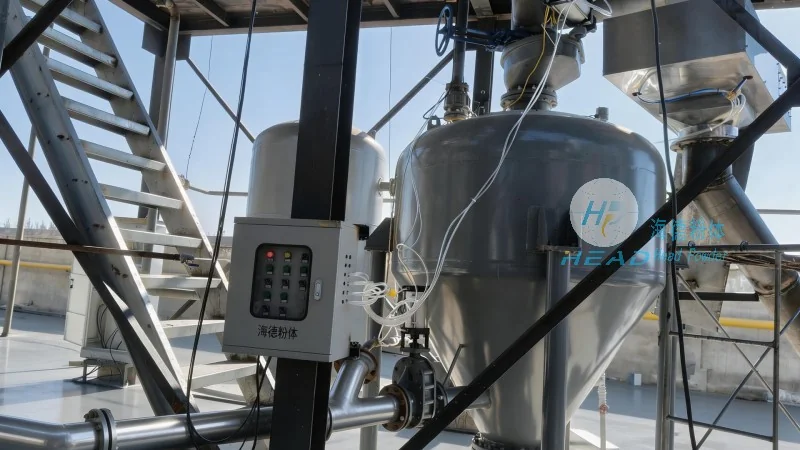
Applications and Industrial Use Cases
Polyethylene pellet pneumatic conveying equipment is widely used in industries that rely on the efficient handling of polyethylene pellets. In the plastics manufacturing industry, it is commonly used to transport pellets from storage silos to extrusion lines or molding machines. The system ensures a continuous and consistent supply of material, which is essential for maintaining production rates and product quality. In the packaging industry, the equipment is used to transfer pellets to blow molding machines or film extrusion lines, where they are processed into plastic containers or films. The clean and dust-free transfer process helps maintain the integrity of the final products, especially in food packaging applications. The chemical processing industry also utilizes pneumatic conveying systems to transport polyethylene pellets to reactors or storage tanks, ensuring safe and efficient material handling in hazardous environments. Additionally, the equipment is used in recycling facilities to transfer recycled polyethylene pellets from sorting lines to processing equipment, contributing to the circular economy by facilitating the reuse of materials.
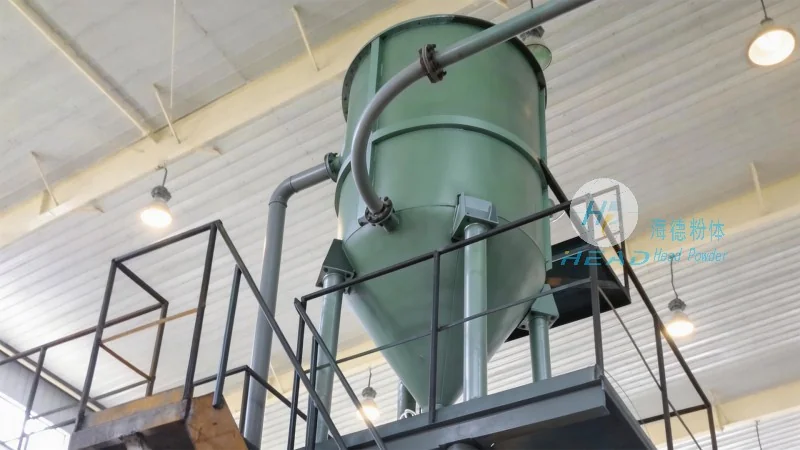
Maintenance and Operational Considerations
To ensure the reliable and efficient operation of the polyethylene pellet pneumatic conveying equipment, regular maintenance and proper operational practices are essential. The hopper and feeding mechanisms should be inspected regularly to prevent clogging or material buildup, which can affect the flow rate and air pressure. The air compressor and blower should be checked for proper lubrication and performance, as any issues can lead to reduced air flow or pressure. The conveying line should be inspected for signs of wear or damage, such as cracks or leaks, which can cause air loss and reduce conveying efficiency. The discharge unit and filters should be cleaned regularly to prevent clogging and maintain proper air flow. It is also important to monitor the air pressure and flow rate during operation, as fluctuations can indicate problems with the system. Proper training of operators on the equipment's operation and maintenance is crucial to prevent accidents and ensure optimal performance. Regular maintenance schedules, including component replacement and system checks, should be followed to extend the equipment's lifespan and minimize downtime.
Conclusion
Polyethylene pellet pneumatic conveying equipment is a highly effective and efficient solution for handling polyethylene pellets in various industrial applications. The system's clean, dust-free, and flexible operation makes it an ideal choice for industries where product purity and safety are paramount. With proper design, maintenance, and operational practices, this equipment can significantly improve production efficiency, reduce costs, and enhance overall operational performance. HeadPowder, with its expertise in engineering and manufacturing, provides reliable and customized pneumatic conveying solutions tailored to the specific needs of its clients, ensuring optimal performance and long-term value.