

Introduction to Corn Kernels Pneumatic Conveying Equipment: Structure and Working Principle
For agricultural processing industries, efficient and reliable material handling is crucial for optimizing production lines and ensuring product quality. Among various conveying methods, pneumatic conveying systems have become a preferred choice for transporting bulk materials like corn kernels due to their flexibility, cleanliness, and ability to handle sensitive products without damage. This article provides an overview of corn kernels pneumatic conveying equipment, focusing on its structural design and operational principles, with insights from Shandong HeadPowder Engineering Co., Ltd., a leading manufacturer based in China.
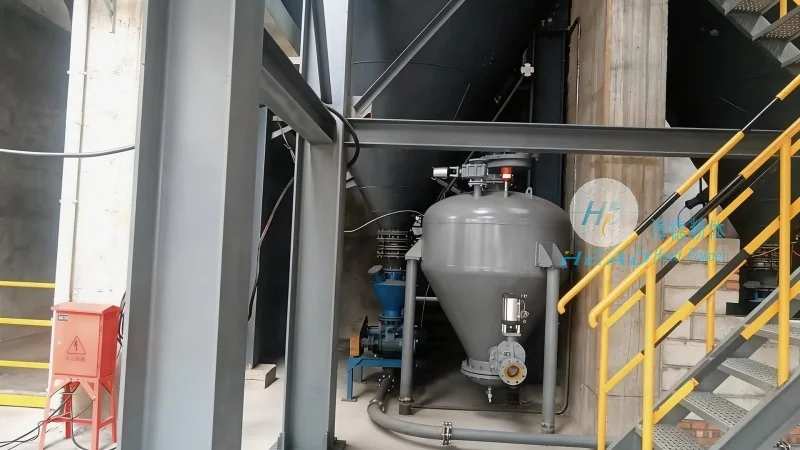
HeadPowder, as the company's brand, specializes in the design and manufacturing of advanced pneumatic conveying solutions tailored for diverse industrial applications. The equipment is engineered to meet the specific demands of corn processing facilities, ensuring smooth and efficient material transport from storage to processing units. By leveraging air as the primary conveying medium, these systems offer a hygienic and dust-free environment, which is essential for maintaining the quality of corn kernels during handling.
The core components of a corn kernels pneumatic conveying system typically include a hopper for material storage, a rotary valve or feeder to control the flow rate, a conveying pipeline, a dust collector to capture airborne particles, and a receiver for the discharged material. Each component plays a critical role in the overall functionality of the system. The hopper is designed with a sloped bottom to facilitate uniform material discharge, preventing blockages and ensuring consistent flow. The rotary valve, often equipped with adjustable speed controls, regulates the amount of corn kernels fed into the pipeline, allowing precise control over the conveying rate. The conveying pipeline, usually made of stainless steel or other corrosion-resistant materials, is configured with appropriate bends and fittings to minimize pressure losses and maintain efficient air flow. The dust collector, equipped with filtration systems, captures any fine particles that may be entrained in the air stream, ensuring compliance with environmental regulations and maintaining a clean working environment. The receiver, typically a storage bin or processing unit, collects the conveyed corn kernels, completing the material handling process.
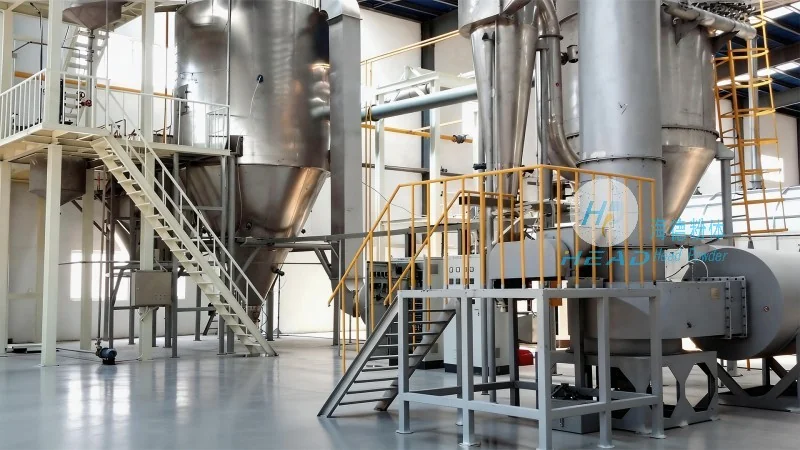
The working principle of the corn kernels pneumatic conveying equipment involves the creation of a pressure differential between the inlet and outlet of the conveying system. Air is drawn into the system by a fan or blower, and the corn kernels are introduced into the pipeline through the feeder. The air flow then carries the corn kernels along the pipeline to the receiver. The system can operate in either positive pressure (pressure conveying) or negative pressure (vacuum conveying) modes, depending on the application requirements. Positive pressure systems are commonly used for long-distance or high-capacity conveying, as they can maintain higher air pressures and handle larger volumes of material. Negative pressure systems, on the other hand, are suitable for short-distance conveying or applications where dust control is a priority, as they create a suction effect that draws material into the pipeline without generating excessive air flow.
One of the key advantages of corn kernels pneumatic conveying equipment is its ability to handle sensitive materials like corn kernels without causing breakage or contamination. The gentle handling provided by the air flow minimizes the risk of product damage, which is particularly important for high-value corn products used in food processing or animal feed. Additionally, the enclosed system design prevents dust and moisture from entering or exiting the facility, maintaining a clean and hygienic environment that is essential for food processing industries. This feature also helps in reducing product loss and improving overall operational efficiency.
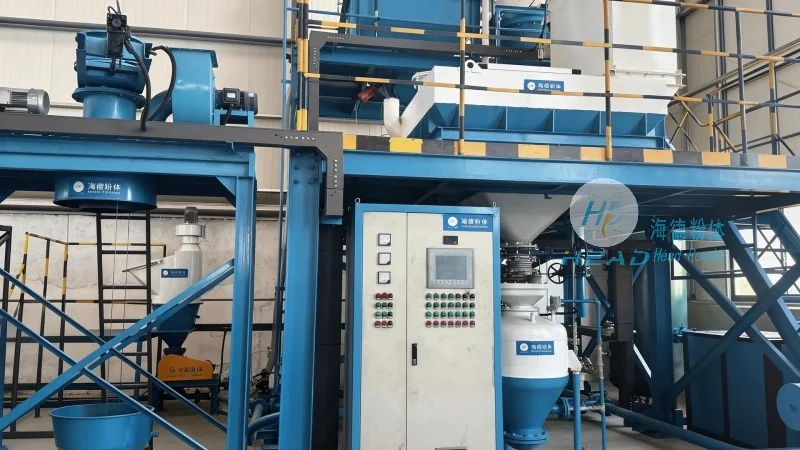
HeadPowder's expertise in designing and manufacturing corn kernels pneumatic conveying equipment ensures that their products are tailored to meet the specific needs of each client. The company's engineers work closely with customers to understand their production requirements, material characteristics, and operational constraints, and then develop customized solutions that optimize performance and cost-effectiveness. The equipment is built with high-quality materials and components, ensuring durability and long-term reliability. Regular maintenance and service support are also provided to ensure the equipment operates at peak efficiency throughout its service life.
In conclusion, corn kernels pneumatic conveying equipment offers a reliable and efficient solution for handling bulk materials in agricultural processing industries. With its advanced structural design and operational principles, this equipment ensures smooth material transport while maintaining product quality and environmental standards. As a leading manufacturer in China, Shandong HeadPowder Engineering Co., Ltd. continues to innovate and provide high-quality pneumatic conveying solutions that meet the evolving needs of the industry.