

[Pneumatic Conveying of Calcium Hydrogen Phosphate: An Introduction to Its Structural Principles and
Calcium hydrogen phosphate (Ca(H₂PO₄)₂), commonly known as dicalcium phosphate, is a widely used chemical compound in various industrial applications, including food processing, pharmaceuticals, and agriculture. The efficient and safe transportation of this material from production sites to processing facilities is crucial for maintaining operational efficiency and product quality. Pneumatic conveying systems have emerged as a preferred method for handling calcium hydrogen phosphate due to their ability to transport powders in a closed system, minimizing dust exposure and environmental contamination.
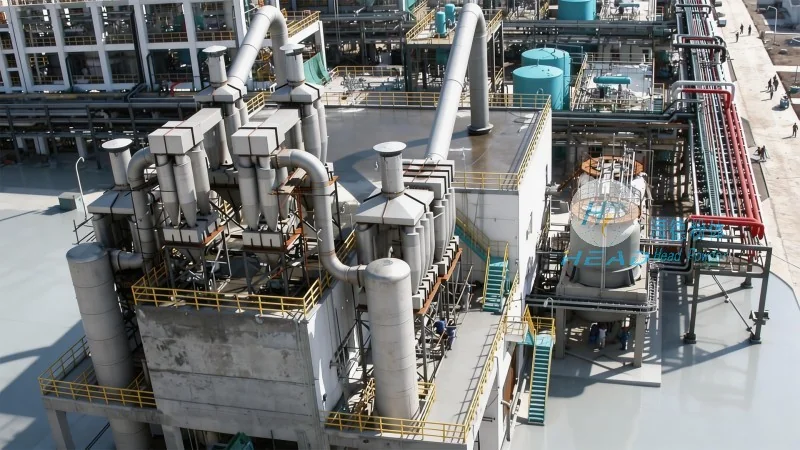
Overview of Pneumatic Conveying Systems for Calcium Hydrogen Phosphate
Pneumatic conveying systems utilize air or other gases to transport bulk materials like calcium hydrogen phosphate through a network of pipes. These systems are designed to handle fine powders, which are prone to caking and segregation if not managed properly. The primary advantage of pneumatic conveying is its ability to transport materials without direct contact with mechanical components, reducing the risk of product contamination and equipment wear. For calcium hydrogen phosphate, which is often used in food and pharmaceutical applications where purity is paramount, this feature is particularly important.
Structural Components of Pneumatic Conveying Systems
The core components of a pneumatic conveying system for calcium hydrogen phosphate include the material feed hopper, air supply system, conveying pipes, and discharge equipment. The feed hopper is designed to store and meter the material into the system, ensuring a consistent flow rate. It typically features a hopper with a conical bottom and a rotary valve or feeder to control the material discharge. The air supply system consists of a blower or compressor that generates the necessary air pressure to move the material through the pipes. The conveying pipes are made of materials resistant to chemical corrosion, such as stainless steel or polyethylene, to prevent degradation from the acidic nature of calcium hydrogen phosphate.
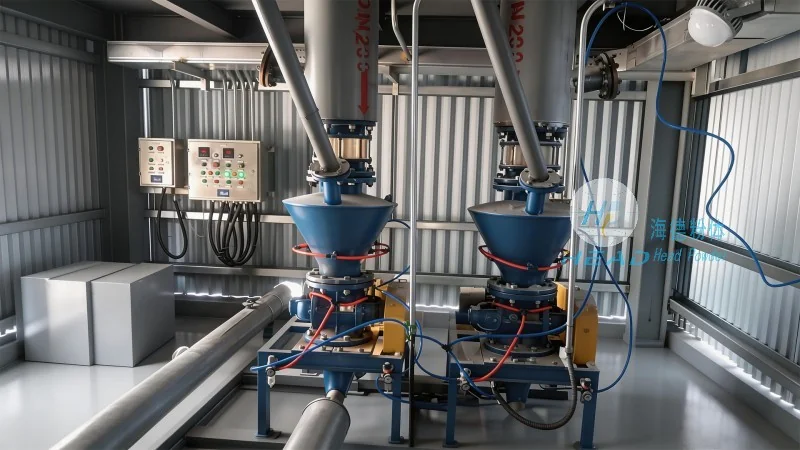
Working Principle of Pneumatic Conveying
The operation of a pneumatic conveying system for calcium hydrogen phosphate involves several key steps. Initially, the material is fed from the hopper into the conveying line. Simultaneously, the air supply system injects high-pressure air into the line, creating a flow that lifts and propels the powder particles. The air and material mixture travels through the pipes to the discharge point, where the material is separated from the air using a cyclone or filter system. The separated material is then collected in a receiving hopper, while the air is either recirculated or vented to the atmosphere. This process ensures that the calcium hydrogen phosphate is transported efficiently and with minimal loss or contamination.
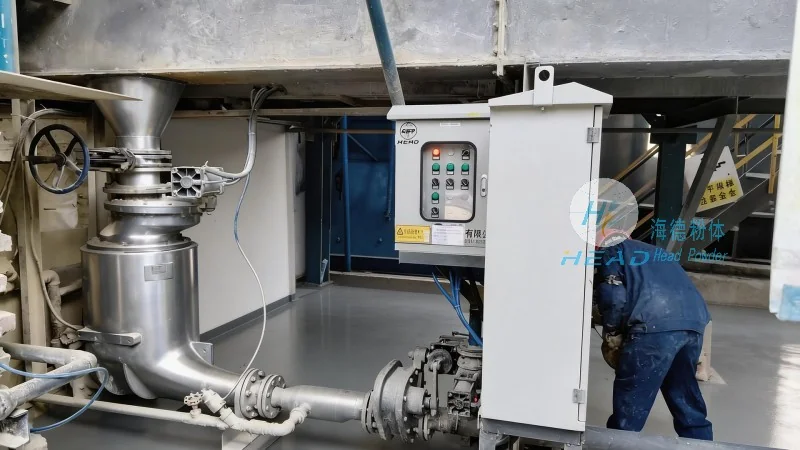
Advantages of Pneumatic Conveying for Calcium Hydrogen Phosphate
Implementing pneumatic conveying for calcium hydrogen phosphate offers several benefits. Firstly, it provides a dust-free environment, which is critical for maintaining product purity and compliance with regulatory standards. Secondly, the closed system reduces the risk of material exposure to moisture or contaminants, preserving the quality of the product. Thirdly, the system can be designed to handle varying flow rates, making it adaptable to different production volumes. Additionally, pneumatic conveying systems are relatively compact and can be integrated into existing facilities, minimizing the need for extensive infrastructure changes.
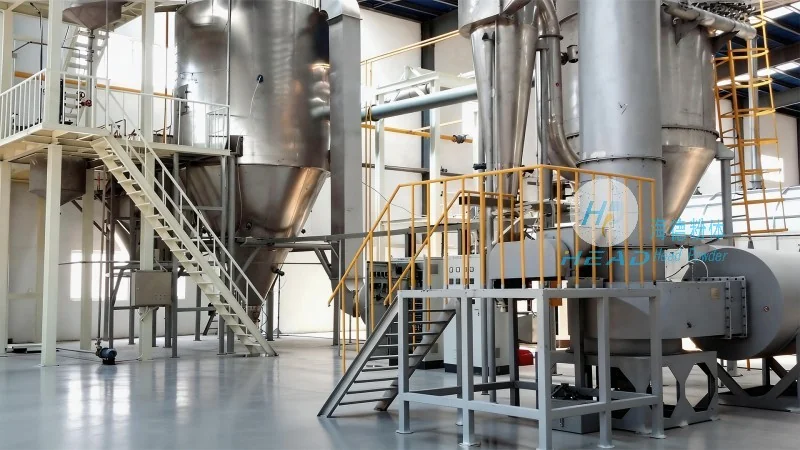
Applications and Considerations in Industrial Use
In industrial settings, the choice of pneumatic conveying system for calcium hydrogen phosphate depends on factors such as the material's properties, required flow rate, and distance to be covered. For short distances and low flow rates, a low-pressure system may be sufficient, while high-pressure systems are used for longer distances or higher flow rates. The system design also considers the potential for material buildup or blockages, which can be mitigated through proper pipe sizing, air flow control, and regular maintenance. Companies like Shandong HeadPowder Engineering Co., Ltd., based in China, specialize in designing and manufacturing customized pneumatic conveying solutions tailored to the specific needs of calcium hydrogen phosphate applications.
Conclusion
Pneumatic conveying represents an effective and efficient method for transporting calcium hydrogen phosphate, combining structural integrity with operational reliability. By understanding the working principles and structural components of these systems, industries can optimize their material handling processes, ensuring product quality and operational efficiency. As a leading provider in the field, Shandong HeadPowder Engineering Co., Ltd. continues to advance the technology and application of pneumatic conveying systems for calcium hydrogen phosphate, supporting the needs of various industries with reliable and innovative solutions.