

Operation Process and Working Principle of Pneumatic Conveying Machine for Dry Limestone Material
HeadPowder, a leading manufacturer based in Shandong, China, specializes in the design and production of high-efficiency pneumatic conveying systems tailored for handling dry limestone materials. This article provides a detailed overview of the operational process and underlying principles of such machines, highlighting their efficiency, reliability, and suitability for industrial applications.
Introduction to Pneumatic Conveying for Dry Limestone
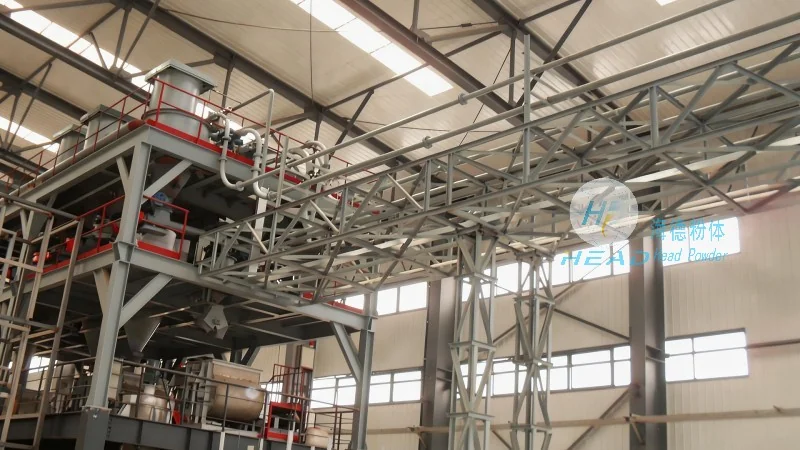
Pneumatic conveying machines are essential equipment in many industrial sectors, particularly for transporting dry bulk materials like limestone. These systems utilize air or gas to move materials from one location to another, offering a dust-free, low-maintenance solution compared to traditional methods such as belt conveyors or bucket elevators. The dry limestone pneumatic conveying machine from HeadPowder is engineered to handle the unique properties of limestone, including its particle size, density, and moisture content, ensuring optimal performance in various processing environments.
Key Components of the Pneumatic Conveying System
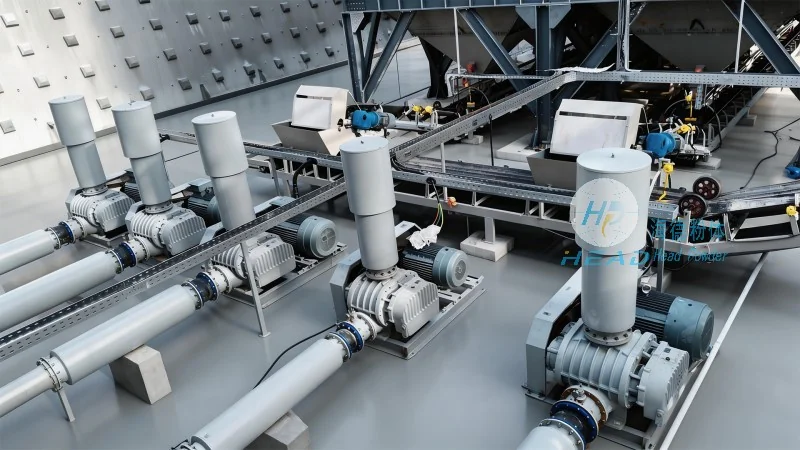
The pneumatic conveying machine for dry limestone consists of several critical components that work in tandem to achieve efficient material transport. These include the hopper for material storage, the air compressor or blower to generate the necessary airflow, the conveying pipeline, and the discharge unit. Each component is designed to handle the specific characteristics of limestone, ensuring smooth and continuous operation.
Working Principle of the Pneumatic Conveying Machine
The operation of the dry limestone pneumatic conveying machine is based on the principle of pneumatic transport, where material is suspended in a stream of air and carried through the pipeline. The process begins with the material being fed into the hopper, where it is then drawn into the conveying line by the air flow generated by the blower. The air velocity is carefully controlled to ensure that the limestone particles are fully suspended without causing excessive wear on the system components. The conveying line may include bends, expansions, or reductions, which are designed to maintain the material's suspension and prevent blockages. The material is then discharged at the receiving end, where it is collected in a storage bin or directly fed into the next processing stage.
Operation Process: Step-by-Step Guide
The operational process of the dry limestone pneumatic conveying machine involves several key steps, each crucial for maintaining efficiency and preventing system failures. The first step is the preparation phase, where the limestone is loaded into the hopper and the system is checked for proper air pressure and flow. The second step is the start-up, where the blower is activated and the material is gradually introduced into the conveying line. The third step is the continuous operation, where the system runs at a steady rate, transporting limestone from the source to the destination. The fourth step is the shutdown, where the blower is turned off and the system is emptied to prevent material buildup. Throughout the process, monitoring of air pressure, flow rate, and material level is essential to ensure optimal performance and prevent issues such as blockages or air leaks.
Advantages of Using a Pneumatic Conveying Machine for Dry Limestone
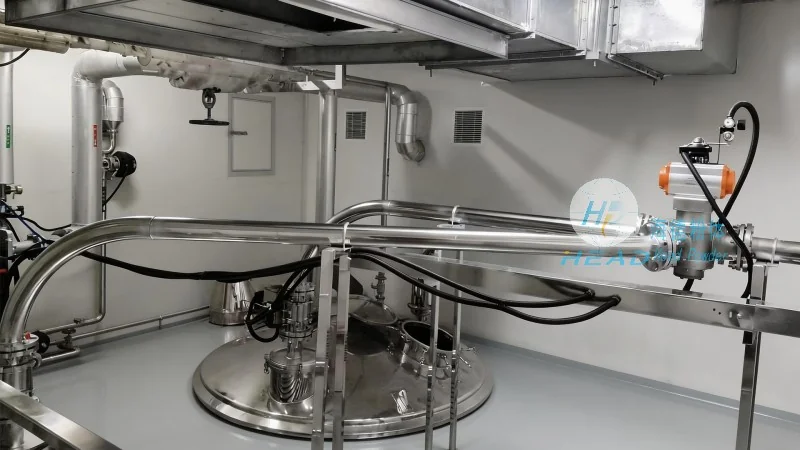
There are several advantages to using a pneumatic conveying machine for dry limestone, including improved safety, reduced maintenance costs, and increased efficiency. Unlike traditional methods, pneumatic conveying eliminates the need for physical contact between the material and the conveyor, reducing the risk of dust exposure and material contamination. The system also requires less maintenance, as there are no moving parts in direct contact with the limestone, which can cause wear and tear. Additionally, the pneumatic conveying machine can transport limestone over longer distances and at higher speeds, reducing processing time and increasing overall productivity.
Applications and Industries
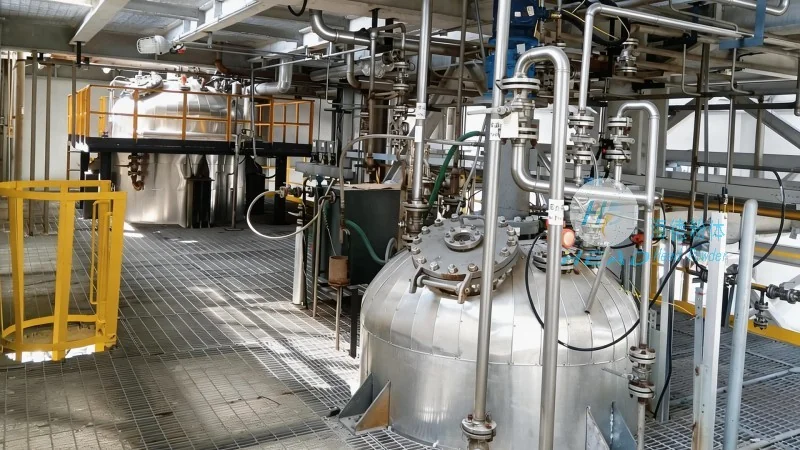
The dry limestone pneumatic conveying machine from HeadPowder is suitable for a wide range of applications and industries, including cement production, mining, and construction. In cement plants, the machine is used to transport limestone from storage silos to the grinding and mixing stages, where it is used as a raw material. In mining operations, the machine is used to transport limestone from the mine to processing facilities, where it is crushed and processed into various products. In construction, the machine is used to transport limestone for use in concrete production and other building materials.
Conclusion and Company Information
HeadPowder, with its headquarters in Shandong, China, is a trusted provider of high-quality pneumatic conveying systems for dry limestone materials. The company's machines are designed to meet the specific needs of industrial applications, offering efficiency, reliability, and durability. By understanding the operation process and working principles of the pneumatic conveying machine, users can optimize their material handling processes and improve overall productivity. HeadPowder continues to innovate and develop new technologies to enhance the performance of its pneumatic conveying systems, ensuring that customers receive the best possible solution for their material transport needs.