

Operation Process and Working Principle of Desulfurization Gypsum Material Pneumatic Conveying
Desulfurization gypsum, a byproduct of flue gas desulfurization in power plants and industrial facilities, requires efficient handling and transportation for recycling and reuse. Pneumatic conveying systems offer a reliable solution for moving this material, ensuring safe and effective operation. This article explores the operation process and working principles of pneumatic conveying for desulfurization gypsum, highlighting key components, operational steps, and the benefits of such systems.
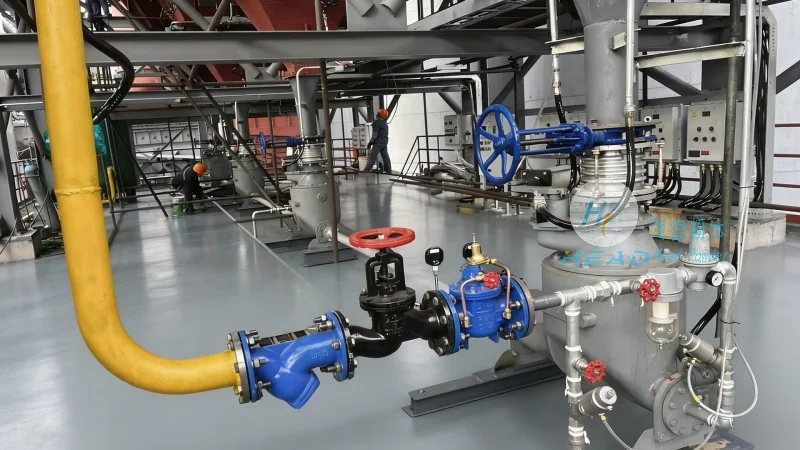
Understanding Desulfurization Gypsum and Its Handling Needs
Desulfurization gypsum, also known as FGD gypsum, is a fine powder produced during the removal of sulfur dioxide from flue gases. It is typically used in construction materials, soil amendment, and other industrial applications. Due to its fine particle size and potential dust issues, traditional bulk handling methods may not be suitable. Pneumatic conveying systems provide an effective way to transport this material over long distances with minimal loss and contamination.
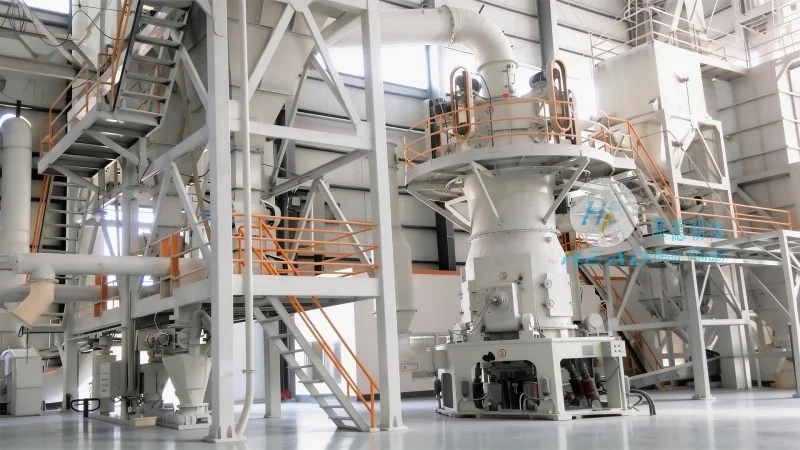
The Working Principle of Pneumatic Conveying Systems
Pneumatic conveying systems use air or gas to transport bulk materials through a pipeline. The process involves several key components, including a material feeder, a conveyor line, a separator, and a dust collector. The material is fed into the system, where it is mixed with air under pressure. The air flow carries the gypsum particles through the pipeline to the destination, such as a storage silo or processing plant. The separator then separates the material from the air, allowing the air to be recirculated or discharged, while the gypsum is collected for further use.
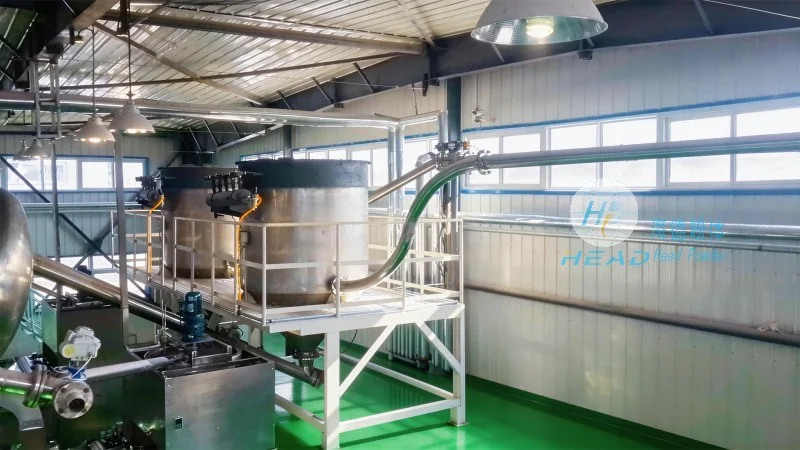
Operation Process of Desulfurization Gypsum Pneumatic Conveying
The operation process of a pneumatic conveying system for desulfurization gypsum typically involves the following steps:
- Material Preparation: The desulfurization gypsum is collected from the desulfurization unit and stored in a hopper. The material is then fed into the system using a rotary valve or screw feeder, ensuring a consistent flow rate.
- Air Supply and Compression: Compressed air is supplied to the system, creating the necessary pressure to move the material through the pipeline. The air pressure is carefully controlled to prevent clogging and ensure efficient transport.
- Pipeline Transport: The gypsum particles are carried by the air flow through the pipeline. The pipeline design, including bends and fittings, is optimized to minimize pressure loss and maintain consistent air velocity.
- Separation and Collection: At the receiving end, a separator (such as a cyclone or bag filter) separates the gypsum from the air. The air is then filtered and recirculated, while the gypsum is collected in a storage bin or conveyed to the next processing stage.
Key Components and Their Functions
Several components are critical to the efficient operation of a pneumatic conveying system for desulfurization gypsum:
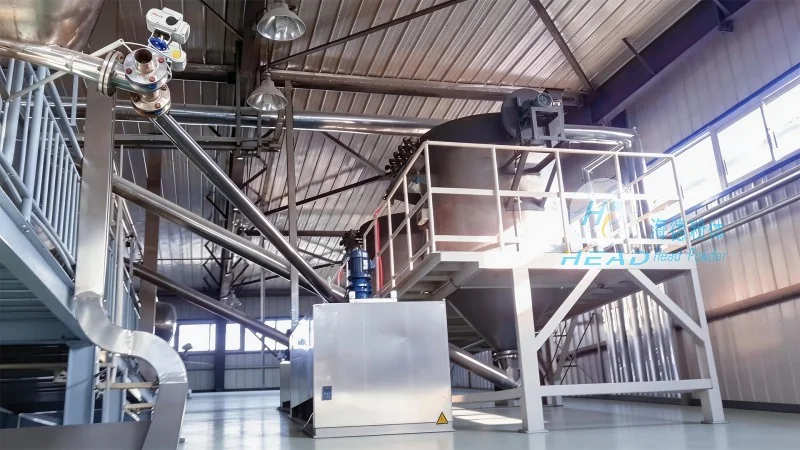
- Material Feeder: Ensures a uniform and controlled feed of gypsum into the system, preventing blockages and maintaining consistent flow.
- Compressor and Air Dryer: Provides the necessary compressed air, with the dryer removing moisture to prevent material clumping and system corrosion.
- Pipeline System: The main transport path, typically made of stainless steel or other corrosion-resistant materials, to handle the gypsum's chemical properties.
- Separator and Dust Collector: Removes gypsum particles from the air stream, ensuring clean air recirculation and preventing dust emissions.
- Control System: Monitors and regulates the entire process, including air pressure, flow rate, and material levels, to maintain optimal operation.
Benefits of Pneumatic Conveying for Desulfurization Gypsum
Implementing a pneumatic conveying system for desulfurization gypsum offers several advantages: