

Operation Process and Working Principle of Air-Driven Transport of Sodium Hydroxide Material
HeadPowder, a leading engineering company based in Shandong, China, specializes in the design, manufacturing, and implementation of advanced air-driven transport systems for handling sodium hydroxide materials. This article provides a comprehensive overview of the operational process and underlying principles of such systems, highlighting the technical aspects and practical applications that make them essential in industrial settings.
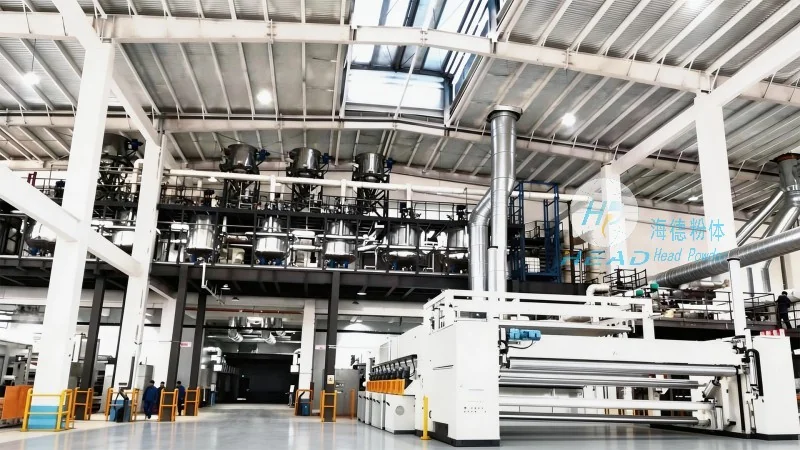
Introduction to Air-Driven Transport Systems for Sodium Hydroxide
HeadPowder Engineering Co., Ltd., headquartered in Shandong, China, has established itself as a trusted provider of specialized engineering solutions for material handling. Among their offerings, air-driven transport systems for sodium hydroxide are particularly significant due to the unique properties of this chemical, which require efficient and safe transportation methods. The following sections delve into the operational workflow and technical mechanisms that govern these systems, offering insights into their functionality and benefits.
Key Components and System Architecture
The air-driven transport system for sodium hydroxide typically consists of several critical components that work in tandem to ensure reliable material transfer. These include a material feeding mechanism, a pneumatic conveying pipeline, a control unit, and a discharge system. The feeding unit is designed to introduce the sodium hydroxide material into the system, often using a hopper or a rotary valve to regulate the flow rate. The pipeline, usually made of corrosion-resistant materials such as stainless steel or polyethylene, is equipped with pressure regulators and flow meters to maintain optimal operational conditions. The control unit monitors and adjusts the air pressure and flow rate, ensuring consistent performance and preventing system failures. Finally, the discharge system collects the transported material at the destination point, completing the transport cycle.
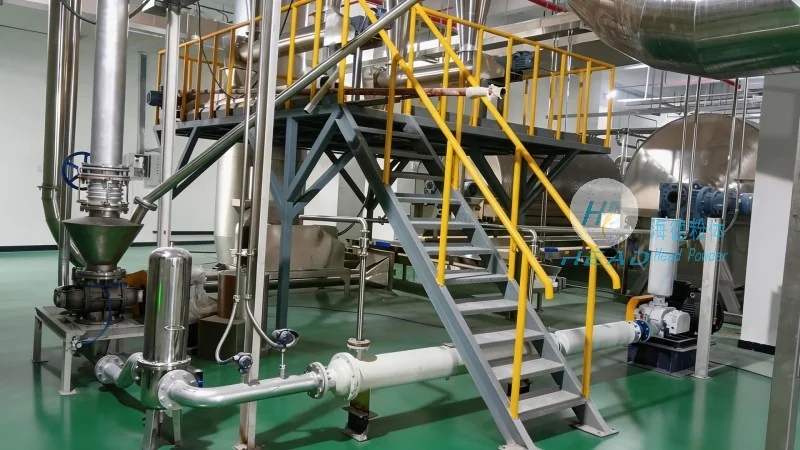
Operation Process: Step-by-Step Workflow
The operation of an air-driven transport system for sodium hydroxide involves a series of sequential steps that ensure efficient and safe material handling. The process begins with the loading of the sodium hydroxide material into the feeding hopper. Once the hopper is filled, the rotary valve or feeder starts to release the material into the conveying pipeline. Simultaneously, the control unit activates the air compressor, which generates the necessary air pressure to propel the material through the pipeline. The air and material mixture travels through the pipeline at a controlled velocity, with the air pressure maintaining the material in a suspended state. As the mixture reaches the discharge point, the air is separated from the material, and the sodium hydroxide is collected in the receiving container. The system then returns to the initial state, ready for the next cycle of material transport.
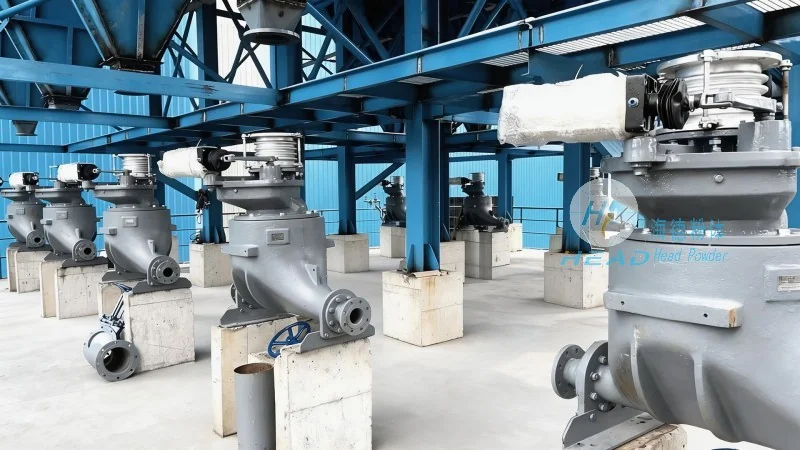
Working Principle: The Physics Behind Air-Driven Transport
The working principle of air-driven transport systems for sodium hydroxide is rooted in fluid dynamics and the principles of pneumatic conveying. The system relies on the generation of high-pressure air to create a flow that can carry the solid material particles through the pipeline. The key to efficient transport lies in maintaining the material in a suspended state, which is achieved by balancing the air velocity and pressure with the gravitational forces acting on the particles. The air pressure is typically maintained at a level that is sufficient to overcome the resistance of the pipeline and the weight of the material, while the velocity is adjusted to prevent particle deposition or blockages. This balance ensures that the material is transported smoothly and without damage, preserving its quality and integrity throughout the process.
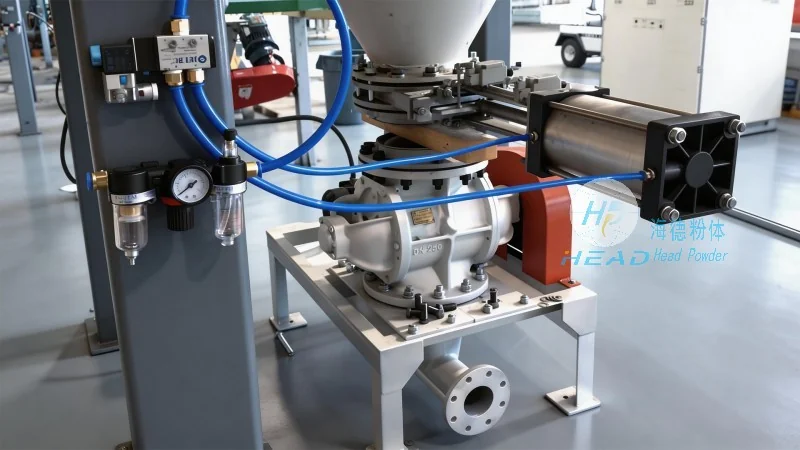
Advantages and Applications of Air-Driven Transport for Sodium Hydroxide
HeadPowder's air-driven transport systems for sodium hydroxide offer several advantages over traditional material handling methods. These include enhanced safety, as the system operates in a closed pipeline, minimizing exposure to the chemical and reducing the risk of spills or leaks. Additionally, the system provides high efficiency in terms of material throughput, with the ability to transport large quantities of sodium hydroxide over long distances with minimal downtime. The flexibility of the system allows for easy integration into existing industrial processes, and the modular design enables customization to meet specific operational requirements. These benefits make air-driven transport systems ideal for applications in chemical manufacturing, where the handling of sodium hydroxide is critical for production processes.
Conclusion and Company Expertise
HeadPowder Engineering Co., Ltd., based in Shandong, China, continues to be a leader in providing advanced air-driven transport solutions for sodium hydroxide materials. By leveraging their expertise in engineering and material handling, the company ensures that their systems are designed to meet the highest standards of performance, safety, and reliability. The operational process and working principles outlined in this article demonstrate the sophistication and effectiveness of these systems, which are essential for modern industrial applications. With a strong commitment to quality and customer satisfaction, HeadPowder remains dedicated to delivering innovative solutions that enhance the efficiency and safety of material transport in various industries.