

Operation Process and Working Principle of Sawdust Powder Pneumatic Conveying Machine
HeadPowder, a leading manufacturer based in Shandong, China, specializes in the design, production, and supply of advanced pneumatic conveying systems tailored for various industrial applications. Our company, Shandong HeadPowder Engineering Co., Ltd., has been committed to delivering high-efficiency and reliable solutions for material handling, particularly in the processing of sawdust and other fine powders. This article provides a detailed exploration of the operation process and working principle of our sawdust powder pneumatic conveying machine, highlighting its key components, operational workflow, and the technical mechanisms that enable efficient material transport.
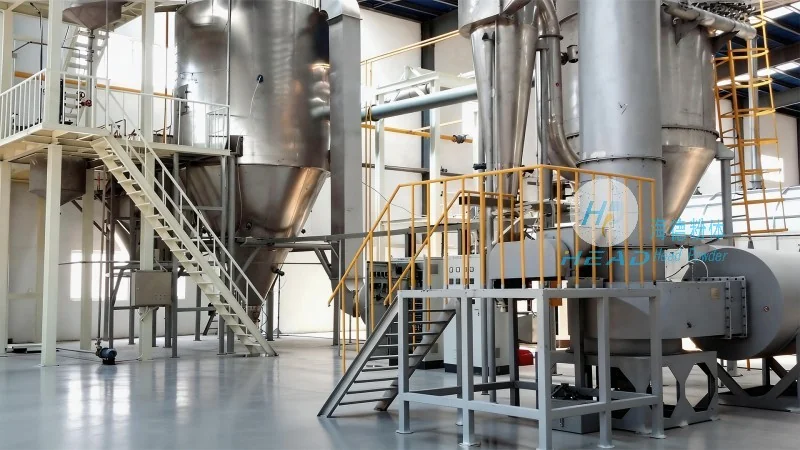
Introduction to Sawdust Powder Pneumatic Conveying Machine
The sawdust powder pneumatic conveying machine is an essential equipment in the wood processing and biomass energy industries. It is engineered to transport sawdust, wood chips, and other fine powders from a storage hopper or processing unit to a destination such as a storage silo, combustion chamber, or processing line. The machine operates by utilizing air pressure to move the material through a pipeline system, eliminating the need for mechanical components like belts or buckets that are often prone to wear and maintenance issues. This pneumatic approach offers advantages such as low maintenance costs, minimal product contamination, and the ability to handle materials with high moisture content or abrasive properties.
Key Components of the Pneumatic Conveying System
The sawdust powder pneumatic conveying machine consists of several critical components that work in tandem to ensure smooth and efficient operation. These components include the material hopper, air compressor, conveying pipeline, air lock or rotary valve, and the destination silo or processing unit. The material hopper is designed to store the sawdust, providing a consistent feed to the system. It is equipped with a feeding mechanism, such as a screw feeder or a rotary valve, that controls the flow of material into the pipeline. The air compressor generates the necessary air pressure to propel the material through the pipeline. The conveying pipeline is typically made of stainless steel or other corrosion-resistant materials to withstand the abrasive nature of sawdust and prevent blockages. The air lock or rotary valve at the discharge end prevents backflow of air and ensures a controlled release of material into the destination container. The destination silo or processing unit receives the conveyed sawdust, completing the material transport process.
Operation Process of the Sawdust Powder Pneumatic Conveying Machine
The operation of the sawdust powder pneumatic conveying machine follows a systematic workflow that ensures efficient material handling. The process begins with the loading of sawdust into the material hopper. The feeding mechanism then regulates the flow of sawdust into the conveying pipeline. Simultaneously, the air compressor starts and generates the required air pressure. The air and sawdust mixture is then propelled through the pipeline by the air pressure, moving the material towards the destination silo or processing unit. At the discharge end, the air lock or rotary valve controls the release of sawdust into the destination container, preventing any air leakage or material spillage. The system operates continuously as long as the material hopper is filled and the air compressor is running, ensuring a steady supply of sawdust to the processing line or storage facility. The entire process is automated, with minimal human intervention required, reducing labor costs and enhancing operational efficiency.
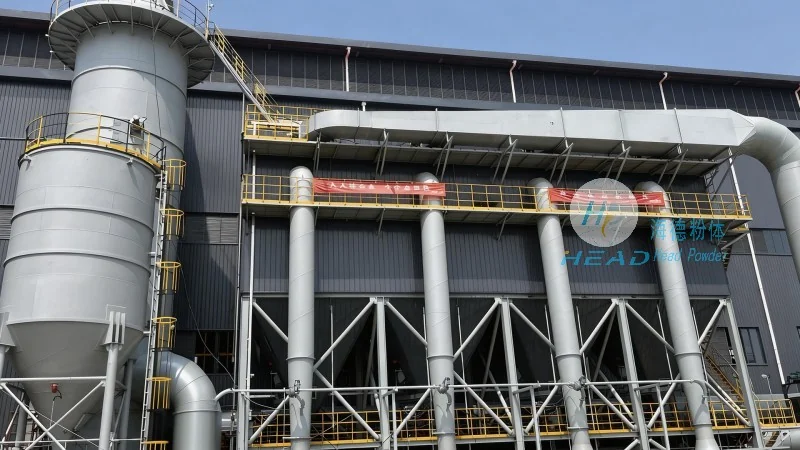
Working Principle of the Pneumatic Conveying Mechanism
The working principle of the sawdust powder pneumatic conveying machine is based on the fundamental concept of pneumatic transport, where air is used as the medium to move solid particles. The system operates on the principle of creating a pressure differential between the material hopper and the destination silo. The air compressor increases the air pressure in the pipeline, creating a high-pressure zone that forces the sawdust particles to move along with the air stream. The air velocity within the pipeline is maintained at a level sufficient to keep the sawdust particles suspended and prevent them from settling or clogging the pipeline. The conveying efficiency is influenced by several factors, including the air pressure, air velocity, material density, and particle size. Higher air pressure and velocity generally result in more efficient transport, but excessive pressure can lead to increased energy consumption and potential damage to the pipeline. The system is designed to optimize these parameters to achieve the best possible conveying performance for sawdust and other fine powders.
Advantages of Using a Sawdust Powder Pneumatic Conveying Machine
Implementing a sawdust powder pneumatic conveying machine offers numerous advantages over traditional mechanical conveying methods. One of the primary benefits is the reduction in maintenance costs, as there are no moving parts in direct contact with the material, minimizing wear and tear. The system also prevents product contamination, as the material is not exposed to external elements or mechanical components that could introduce impurities. Additionally, the pneumatic conveying process is more flexible, allowing for the transport of materials over longer distances and to multiple destinations without the need for additional equipment. The system is also capable of handling materials with high moisture content or abrasive properties, which are difficult to transport using conventional methods. Furthermore, the automated operation of the machine reduces labor requirements and enhances safety in the workplace, as there are fewer human operators involved in the material handling process.
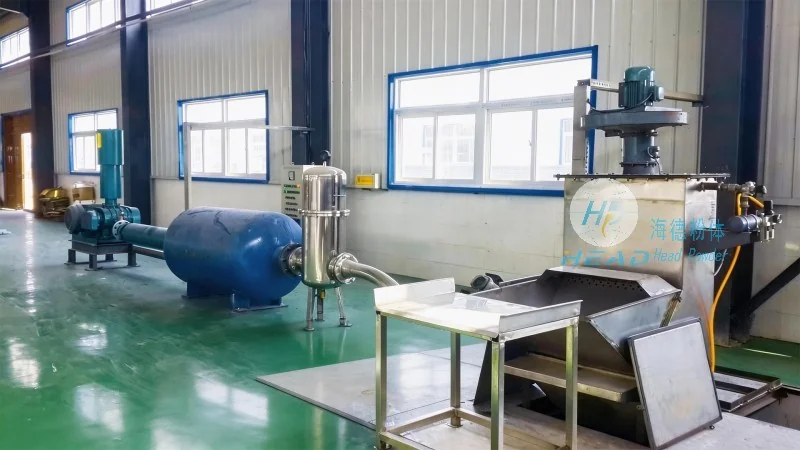
Applications and Industries
The sawdust powder pneumatic conveying machine is widely used in various industries that rely on the processing and handling of sawdust and other fine powders. These industries include wood processing, biomass energy production, animal feed manufacturing, and pharmaceuticals. In the wood processing industry, the machine is used to transport sawdust from the sawmill to the storage silo or combustion chamber for energy generation. In biomass energy production, the machine is crucial for delivering sawdust to the boiler or gasifier for efficient energy conversion. In animal feed manufacturing, the machine helps in transporting sawdust as a raw material for feed production. In the pharmaceutical industry, the machine is used to convey fine powders for processing and packaging. The versatility of the sawdust powder pneumatic conveying machine makes it an essential equipment in these industries, ensuring efficient and reliable material handling.
Maintenance and Troubleshooting
To ensure the long-term performance and reliability of the sawdust powder pneumatic conveying machine, regular maintenance is essential. The maintenance tasks include checking the air compressor for proper operation, inspecting the conveying pipeline for any blockages or leaks, and cleaning the material hopper and feeding mechanism to prevent material buildup. The air lock or rotary valve should be checked for proper sealing and operation to prevent air leakage or material spillage. Any signs of wear or damage to the components should be addressed promptly to avoid system downtime. In case of system failure, troubleshooting steps should be taken to identify the root cause of the problem. Common issues include air pressure drop, material clogging, or valve malfunction. By addressing these issues promptly, the system can be restored to optimal performance, minimizing downtime and ensuring continuous operation.
Conclusion
The sawdust powder pneumatic conveying machine is a highly efficient and reliable equipment for transporting sawdust and other fine powders in various industrial applications. With its advanced design and automated operation, the machine offers numerous advantages over traditional mechanical conveying methods, including low maintenance costs, minimal product contamination, and high flexibility. The working principle of the pneumatic conveying mechanism ensures efficient material transport by utilizing air pressure to move the material through the pipeline. The system is widely used in industries such as wood processing, biomass energy production, and animal feed manufacturing, where efficient material handling is critical. By understanding the operation process and working principle of the sawdust powder pneumatic conveying machine, users can optimize its performance and ensure its long-term reliability. HeadPowder, as a leading manufacturer based in Shandong, China, continues to provide high-quality and reliable pneumatic conveying systems that meet the diverse needs of industrial applications.