

Operation Process and Working Principle of Fiber Powder Pneumatic Conveying Machine
For industries dealing with fiber powders, efficient and reliable material handling is crucial. The fiber powder pneumatic conveying machine, a specialized equipment from Shandong HeadPowder Engineering Co., Ltd., addresses these needs by providing a seamless solution for transporting fiber powders. This article delves into the operation process and working principle of such a machine, highlighting its key components and the step-by-step procedures involved in its operation.
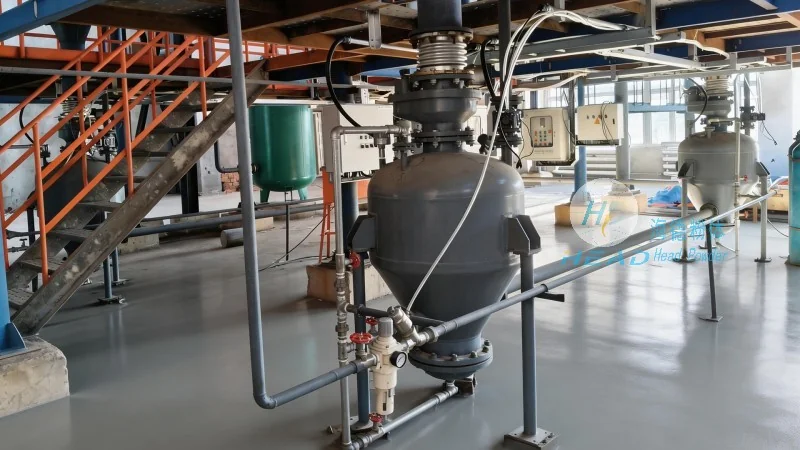
Key Components of the Fiber Powder Pneumatic Conveying System
The fiber powder pneumatic conveying machine consists of several essential components that work in harmony to ensure effective material transport. These components include the hopper, which serves as the storage and feeding unit; the conveyor line, which is the main channel for material movement; the air compressor or blower, which generates the necessary air pressure; and the control system, which regulates the flow and pressure. Each component plays a vital role in the overall functionality of the system, ensuring that fiber powders are conveyed safely and efficiently.
Working Principle of the Pneumatic Conveying Process
The working principle of the fiber powder pneumatic conveying machine is based on the use of air to move the material. When the machine is activated, the air compressor or blower creates a pressure differential between the inlet and outlet of the conveyor line. This pressure difference causes the fiber powders to be drawn into the conveyor line and transported to the discharge point. The air flow is carefully controlled to maintain a consistent velocity, preventing material degradation and ensuring that the fiber powders are not damaged during the conveying process. The system also incorporates features such as air filtration and separation to maintain the quality of the fiber powders and prevent clogging.
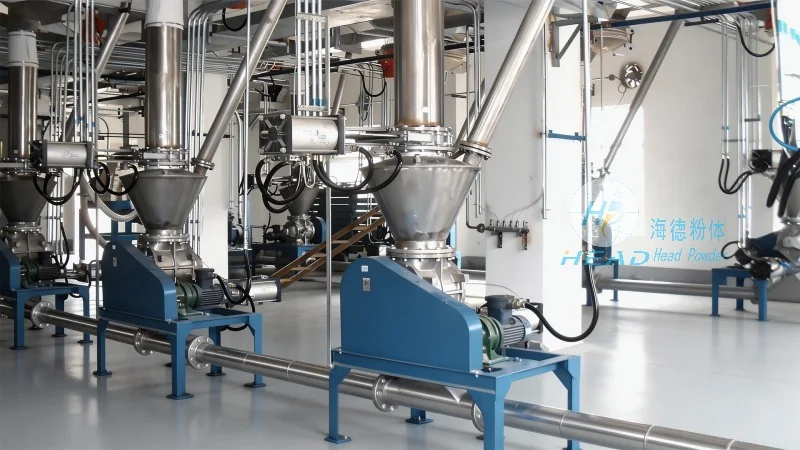
Operation Process: Step-by-Step Guide
The operation process of the fiber powder pneumatic conveying machine involves several steps that ensure smooth and efficient material handling. First, the fiber powders are loaded into the hopper. The hopper is designed to provide a uniform feed to the conveyor line, preventing blockages and ensuring consistent material flow. Next, the air compressor or blower is started, and the air pressure is adjusted to the appropriate level. The control system then monitors the pressure and flow rate, ensuring that the fiber powders are conveyed at the desired speed. As the material moves through the conveyor line, it is transported to the discharge point, where it is collected in a container or directly to the next processing stage. The system also includes safety features such as pressure relief valves and emergency stop buttons to prevent accidents and ensure operator safety.
Advantages of Using Fiber Powder Pneumatic Conveying Machines
There are several advantages to using fiber powder pneumatic conveying machines for material handling. One of the key benefits is the ability to transport fiber powders over long distances without the need for intermediate storage or handling. This reduces the risk of material contamination and improves overall efficiency. Additionally, the system is compact and can be easily integrated into existing production lines, making it a cost-effective solution for many industries. The use of air as the conveying medium also reduces the risk of material degradation and prevents dust accumulation, which is a common issue with traditional material handling methods.
Applications in Various Industries
Fiber powder pneumatic conveying machines are widely used in various industries that deal with fiber powders. These include the paper industry, where fiber powders are used as raw materials for paper production; the textile industry, where fiber powders are used in the manufacturing of textiles; and the chemical industry, where fiber powders are used as additives in various chemical products. The machine's ability to handle different types of fiber powders and its flexibility in terms of conveying distance and speed make it a versatile solution for many applications.
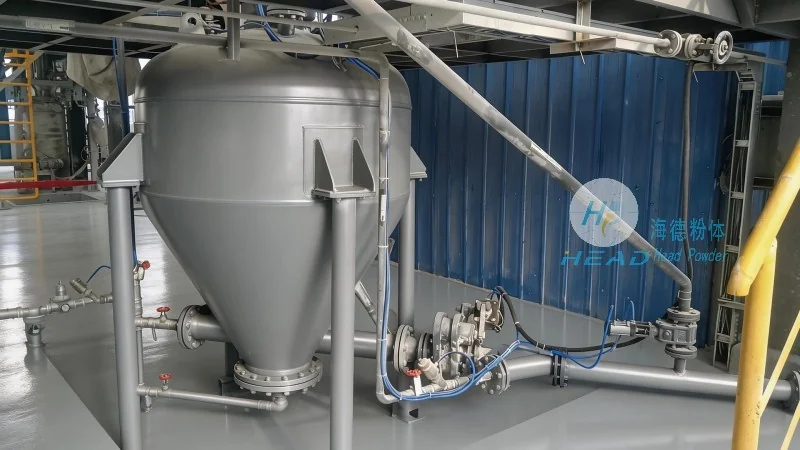
Maintenance and Troubleshooting
To ensure the long-term performance and reliability of the fiber powder pneumatic conveying machine, regular maintenance is essential. This includes cleaning the hopper and conveyor line to prevent clogging, checking the air compressor or blower for proper operation, and inspecting the control system for any issues. If problems arise, such as reduced conveying efficiency or increased air pressure, the system should be inspected for potential causes, such as clogged filters or worn-out parts. Proper maintenance and troubleshooting can help to minimize downtime and ensure that the machine operates at optimal performance.
Conclusion
The fiber powder pneumatic conveying machine from Shandong HeadPowder Engineering Co., Ltd. is a reliable and efficient solution for handling fiber powders. Its operation process and working principle are designed to ensure that the material is transported safely and effectively, while its key components and features provide flexibility and adaptability to various industrial applications. With proper maintenance and operation, this machine can provide long-term benefits to industries dealing with fiber powders, improving overall productivity and reducing material handling costs.