

Operation Process and Working Principle of Inorganic Salt Crystal Material Handling System Equipment
Shandong HeadPowder Engineering Co., Ltd., a leading manufacturer in the field of material handling solutions, specializes in the design, production, and installation of advanced equipment for transporting inorganic salt crystals. The company, commonly known as HeadPowder, is headquartered in Shandong, China, and has established a strong reputation for delivering high-quality, efficient, and reliable systems tailored to the specific needs of various industrial applications.
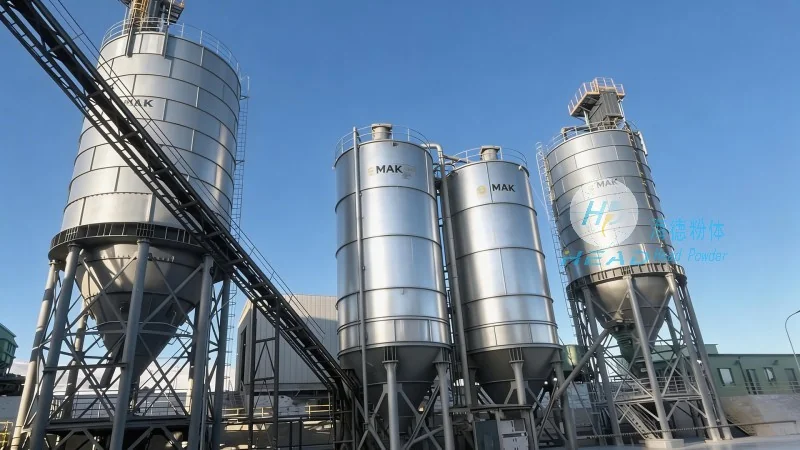
Overview of Inorganic Salt Crystal Material Handling Systems
The inorganic salt crystal material handling system is a sophisticated piece of industrial equipment engineered to efficiently transport and process crystalline materials such as sodium chloride, potassium chloride, and other similar salts. These systems are crucial in industries like chemical manufacturing, food processing, and pharmaceuticals, where the precise handling of crystalline materials is essential for maintaining product quality and operational efficiency.
Key Components and Their Functions
The system typically comprises several key components, each playing a vital role in the overall operation. The primary components include a hopper for material storage, a conveyor system for material transport, a feeding mechanism to regulate material flow, and a control panel for system management. The hopper is designed to hold a large volume of inorganic salt crystals, ensuring a steady supply to the conveyor. The conveyor, often equipped with specialized belts or rollers, moves the crystals from the hopper to the processing or packaging area. The feeding mechanism, such as a screw feeder or a vibrating feeder, controls the rate of material discharge, preventing overloading and ensuring consistent flow. The control panel allows operators to monitor and adjust system parameters, such as speed and flow rate, to optimize performance and maintain product quality.
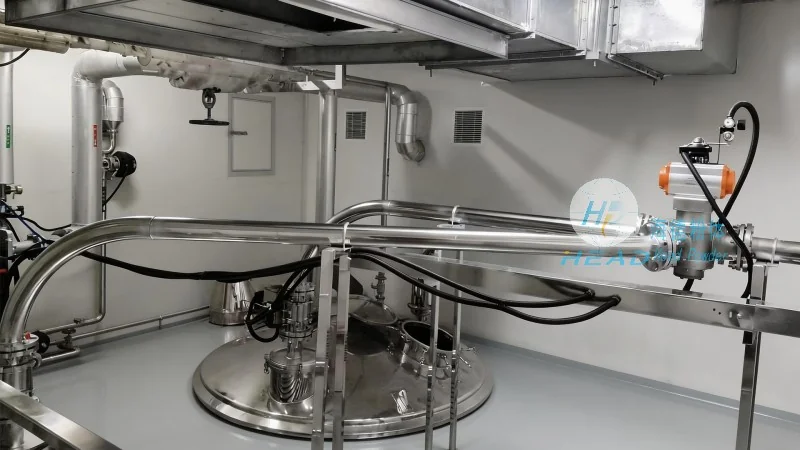
Operation Process of the Material Handling System
The operation of the inorganic salt crystal material handling system follows a systematic process that ensures smooth and efficient material transport. The process begins with the loading of inorganic salt crystals into the hopper. The material is then discharged from the hopper into the conveyor system via the feeding mechanism. The conveyor transports the crystals to the desired location, such as a storage silo or a processing unit. The control panel continuously monitors the system's performance, adjusting the feeding rate and conveyor speed as needed to maintain a consistent flow. The system is designed to handle varying material loads and flow rates, adapting to the specific requirements of the industrial application. This automated process minimizes human intervention, reduces labor costs, and enhances operational safety.
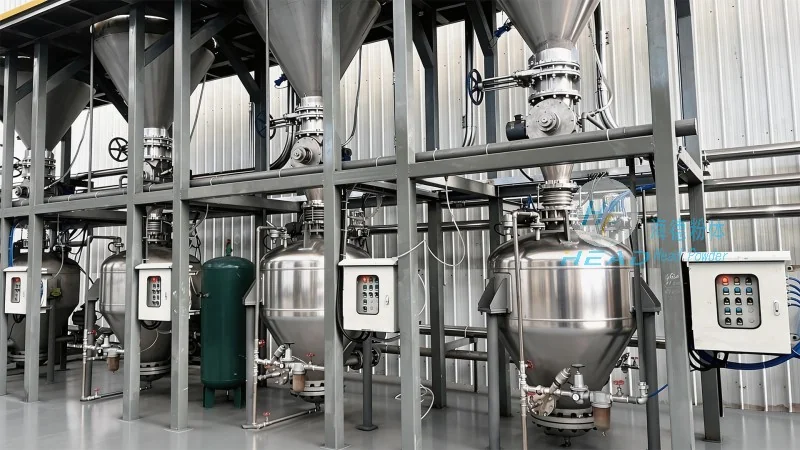
Working Principle of the System
The working principle of the inorganic salt crystal material handling system is based on mechanical and hydraulic principles to ensure efficient material transport. The hopper provides a stable storage environment for the crystals, preventing caking and ensuring uniform material distribution. The conveyor system utilizes friction or gravity to move the crystals along the transport path. The feeding mechanism, often a screw or vibrating feeder, uses rotational or vibrational motion to control the material flow rate. The control panel integrates sensors and actuators to monitor and adjust system parameters in real-time. This closed-loop control system ensures that the material is transported at the optimal speed and flow rate, minimizing energy consumption and maximizing efficiency. The system is also equipped with safety features, such as overload protection and emergency stop buttons, to prevent accidents and ensure operator safety.
Benefits and Applications
The inorganic salt crystal material handling system offers numerous benefits to industrial operations. The system enhances productivity by reducing material handling time and increasing throughput. It improves product quality by maintaining consistent material flow and preventing contamination. The automated control system reduces human error and labor costs, while enhancing operational safety. The system is widely used in various industries, including chemical manufacturing, where it is used to transport sodium chloride for water treatment and food processing. In the pharmaceutical industry, the system is used to handle potassium chloride for medication production. The system's adaptability allows it to be customized for different material types and processing requirements, making it a versatile solution for various industrial applications.