

Operation Process and Working Principle of Fly Ash Particle Material Handling System Equipment
Shandong HeadPowder Engineering Co., Ltd. specializes in the design, manufacturing, and installation of advanced material handling systems tailored for industrial applications. One of their key products is the fly ash particle material handling system, which is engineered to efficiently transport and manage fly ash—a byproduct of coal combustion—throughout industrial facilities. This system is crucial for optimizing material flow, reducing operational costs, and ensuring compliance with environmental regulations. The following sections will detail the operational process and working principles of this equipment, highlighting its key components and functional mechanisms.
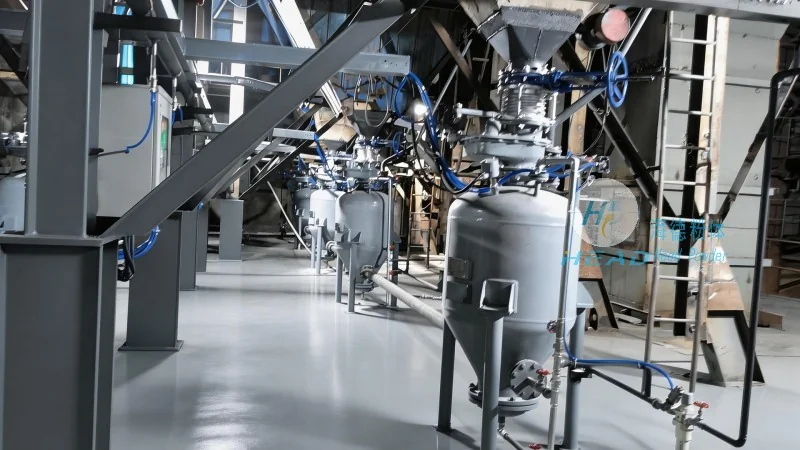
Key Components of the Fly Ash Particle Material Handling System
The fly ash particle material handling system comprises several critical components that work in tandem to ensure smooth and reliable material transport. These components include: the hopper for material storage, the feeder to control the flow rate, the conveyor system (such as belt conveyors or screw conveyors) for transporting the material, the control panel for monitoring and adjusting operations, and the dust collection system to maintain air quality. Each component is designed to handle the specific characteristics of fly ash, including its fine particle size, abrasive nature, and potential moisture content. The hopper is typically made of high-strength materials like stainless steel or wear-resistant steel to withstand the abrasive effects of the material. The feeder, often a rotary valve or a vibratory feeder, regulates the flow of fly ash from the hopper to the conveyor, preventing blockages and ensuring consistent material delivery. The conveyor system is chosen based on the specific requirements of the application, with belt conveyors being common for long-distance transport and screw conveyors for vertical or horizontal transport in confined spaces. The control panel integrates sensors and controls to monitor parameters such as flow rate, pressure, and temperature, allowing operators to adjust the system in real-time for optimal performance. The dust collection system, equipped with filters and fans, captures airborne particles and returns them to the conveyor system, reducing emissions and maintaining a safe working environment.
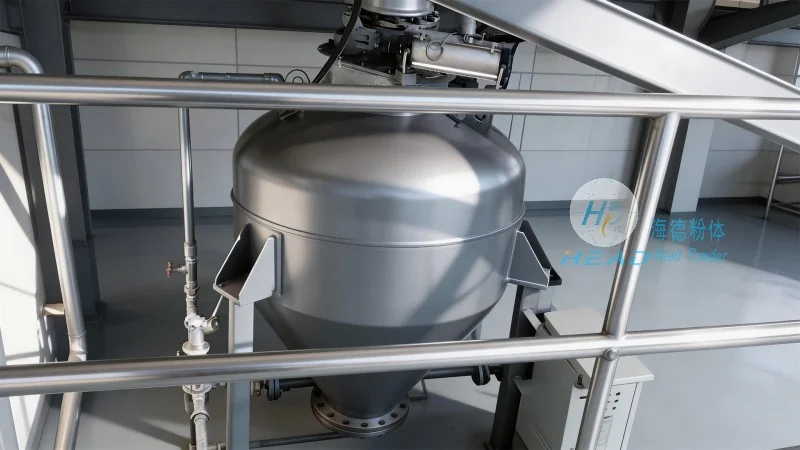
Operation Process of the Fly Ash Particle Material Handling System
The operation of the fly ash particle material handling system follows a systematic process that ensures efficient material transport from the storage hopper to the discharge point. The process begins with the loading of fly ash into the hopper. The hopper is filled to a certain level, and the material is stored until it is ready for transport. Once the material is to be moved, the feeder is activated to control the flow rate. The feeder regulates the amount of fly ash that enters the conveyor system, preventing overloading and ensuring a steady flow. The conveyor system then transports the fly ash from the hopper to the discharge point, which could be a storage silo, a processing unit, or a disposal site. The control panel monitors the entire process, adjusting the feeder speed and conveyor speed as needed to maintain the desired flow rate. If any issues arise, such as a blockage in the conveyor or a change in material characteristics, the control panel triggers alarms and adjusts the system parameters to resolve the issue. The dust collection system continuously operates during the transport process, capturing any airborne particles and returning them to the conveyor system to prevent loss and maintain air quality. The entire operation is automated to a large extent, reducing the need for manual intervention and minimizing the risk of human error. This automated process ensures consistent and reliable performance, even under varying material conditions.
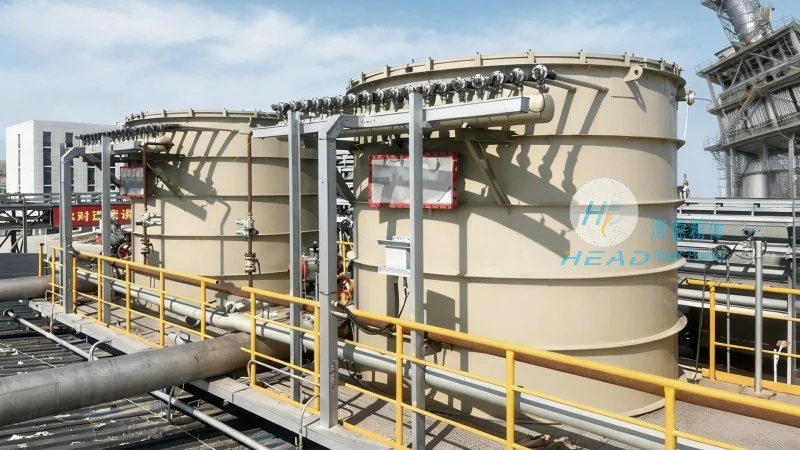
Working Principle of the Fly Ash Particle Material Handling System
The working principle of the fly ash particle material handling system is based on the principles of material flow and mechanical transport. The system operates by converting the potential energy of the stored fly ash into kinetic energy through the feeder and conveyor system. The feeder controls the flow rate by adjusting the speed at which material is released from the hopper. The conveyor system then uses this kinetic energy to transport the material to the discharge point. The key to the system's efficiency lies in the coordination between the feeder and the conveyor. The feeder must provide a consistent flow rate to prevent the conveyor from being overloaded or underloaded. If the feeder provides too much material, the conveyor may become blocked, leading to system downtime. Conversely, if the feeder provides too little material, the conveyor may operate inefficiently, wasting energy. The control panel plays a critical role in maintaining this balance by continuously monitoring the system parameters and adjusting the feeder speed as needed. The dust collection system works in conjunction with the conveyor system to capture any airborne particles, ensuring that the material is not lost during transport and that the working environment remains safe. The system also incorporates safety features such as emergency stop buttons and overload protection to prevent accidents and ensure the safety of operators. Overall, the working principle of the fly ash particle material handling system is a combination of mechanical and control systems that work together to efficiently transport fly ash while maintaining safety and environmental compliance.
Benefits and Applications of the Fly Ash Particle Material Handling System
The fly ash particle material handling system offers several benefits that make it an ideal solution for industrial applications. One of the primary benefits is its ability to efficiently transport fly ash, which is a fine and abrasive material that is difficult to handle using traditional methods. The system's design, with its wear-resistant components and automated controls, reduces maintenance costs and increases the system's lifespan. Another benefit is its ability to maintain air quality by capturing airborne particles, which is crucial for meeting environmental regulations. The system is also flexible and can be customized to meet the specific requirements of different applications, such as long-distance transport or vertical transport in confined spaces. The fly ash particle material handling system is widely used in power plants, cement factories, and other industrial facilities that generate fly ash as a byproduct. In power plants, the system is used to transport fly ash from the boiler to the storage silo or to the disposal site. In cement factories, the system is used to transport fly ash to the mixing plant for use as a raw material. The system's efficiency and reliability make it a critical component of these facilities, ensuring that material flow is optimized and operational costs are minimized.
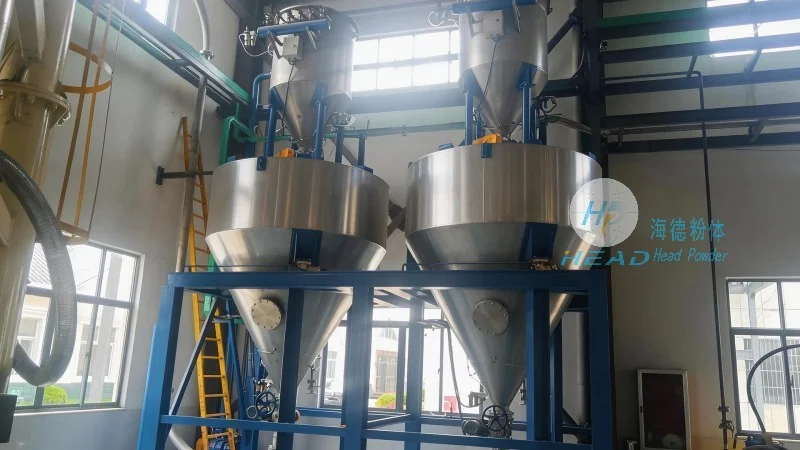
Conclusion
Shandong HeadPowder Engineering Co., Ltd.'s fly ash particle material handling system is a sophisticated and reliable solution for transporting and managing fly ash in industrial applications. The system's design, with its key components and automated controls, ensures efficient material transport while maintaining safety and environmental compliance. The operation process and working principles of the system are carefully engineered to handle the specific characteristics of fly ash, including its fine particle size and abrasive nature. The system's benefits, such as reduced maintenance costs, improved air quality, and flexibility, make it an ideal choice for power plants, cement factories, and other industrial facilities. By understanding the operational process and working principles of this equipment, users can better appreciate its role in optimizing material flow and reducing operational costs in industrial settings.