

Operation Process and Working Principle of Aluminum Battery Material Handling System Equipment
Shandong HeadPowder Engineering Co., Ltd., located in Shandong, China, specializes in the design, manufacturing, and supply of advanced material handling systems tailored for aluminum battery production lines. The aluminum battery material handling system equipment is a critical component in modern battery manufacturing, ensuring efficient and reliable transport of raw materials and finished products throughout the production process.
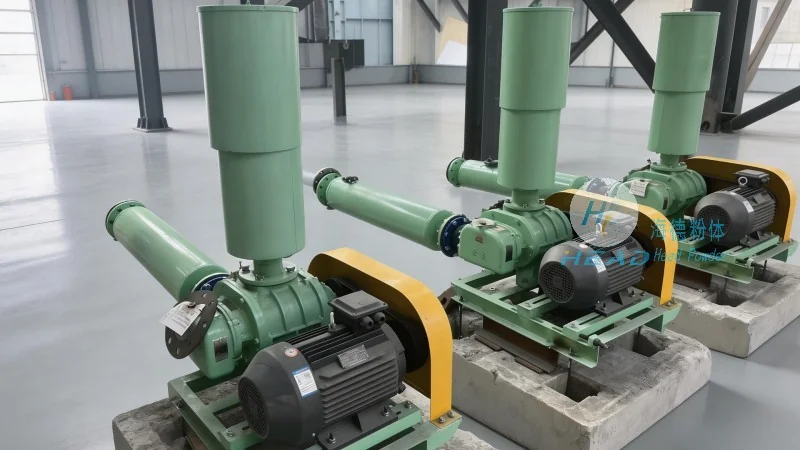
Key Components and Structure of the Material Handling System
The system typically consists of several key components, including conveyor belts, hoists, storage silos, and automated control units. Each component is engineered to work in harmony, facilitating seamless material flow from raw material intake to final product dispatch. The conveyor belts are designed with high-strength materials to withstand the weight and abrasion of aluminum battery components, while the hoists provide vertical movement for materials between different production levels. Storage silos are strategically placed to buffer material supply, ensuring continuous operation even during production peaks.
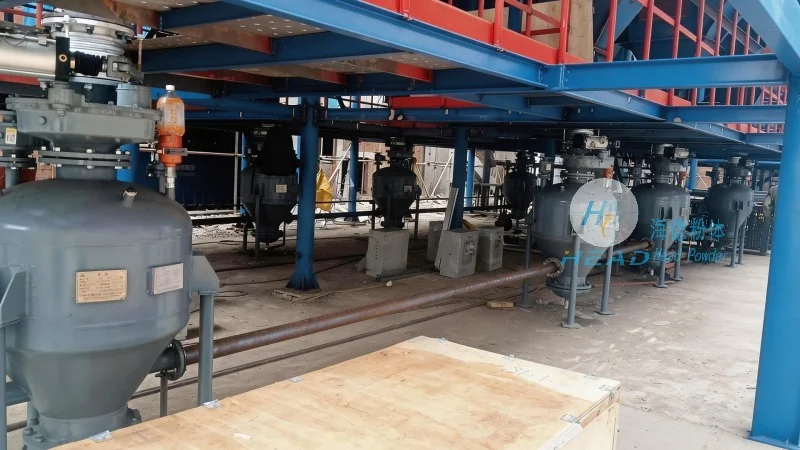
Operation Process of the Material Handling System
The operation process of the aluminum battery material handling system begins with the intake of raw materials, such as aluminum powder, electrolyte solutions, and battery casings. These materials are first loaded into the storage silos via bulk handling equipment. The system then uses automated control systems to regulate the flow of materials from the silos to the production lines. Conveyor belts transport materials to the battery assembly stations, where they are processed into battery cells. After assembly, the finished battery cells are moved to the packaging and shipping areas through the same conveyor system. The entire process is monitored by a central control panel, which adjusts the speed and direction of the conveyor belts based on real-time production demands. This ensures optimal efficiency and minimizes downtime.
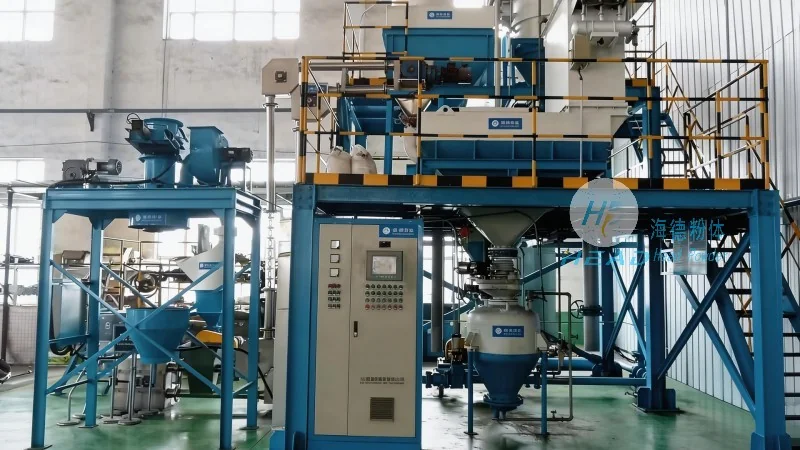
Working Principle of the Material Handling System
The working principle of the aluminum battery material handling system is based on a combination of mechanical and electrical control systems. The mechanical components, such as conveyor belts and hoists, are driven by electric motors that convert electrical energy into mechanical motion. The control units use sensors and feedback mechanisms to detect the position and status of materials, ensuring precise and safe operation. For example, the conveyor belts are equipped with photoelectric sensors that detect the presence of materials, preventing the belts from running empty or overloading. The hoists use limit switches to control the vertical movement, ensuring that materials are lifted to the correct height and position. The central control system integrates all these components, using a programmable logic controller (PLC) to coordinate the entire operation. This allows for flexible adjustments to the production schedule, such as increasing the speed of the conveyor belts during high-demand periods or reducing the speed during maintenance.
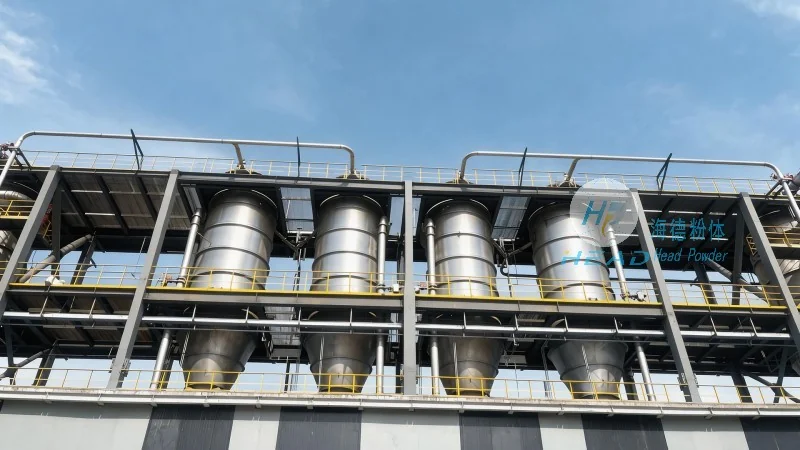
Advantages and Applications of the Material Handling System
The aluminum battery material handling system offers several advantages over traditional manual handling methods. Firstly, it significantly improves production efficiency by reducing the time and labor required for material transport. The automated system can operate 24/7, ensuring continuous production without breaks. Secondly, it enhances safety by minimizing the risk of human error and accidents. The system is designed with safety features such as emergency stop buttons and overload protection, which prevent damage to equipment and injury to workers. Thirdly, it improves product quality by ensuring consistent and precise material handling. The system can maintain uniform material flow, reducing the risk of contamination or damage to the battery components. The aluminum battery material handling system is widely used in various industries, including automotive, electronics, and renewable energy. It is particularly suitable for large-scale battery manufacturing plants that require high production capacity and consistent quality. The system can be customized to meet the specific needs of different production lines, such as different battery sizes or production capacities.