

Operation Process and Working Principle of Graphene Material Handling System Equipment
The graphene material handling system equipment is a specialized piece of machinery designed to efficiently and safely transport graphene materials through various processing stages. As a critical component in the production and application of graphene-based products, this system ensures the consistent quality and purity of graphene during handling. The equipment is engineered to handle the unique properties of graphene, such as its high surface area and delicate structure, minimizing contamination and damage. By integrating advanced technology and precision engineering, the system supports industries like electronics, energy storage, and materials science in achieving reliable graphene processing.
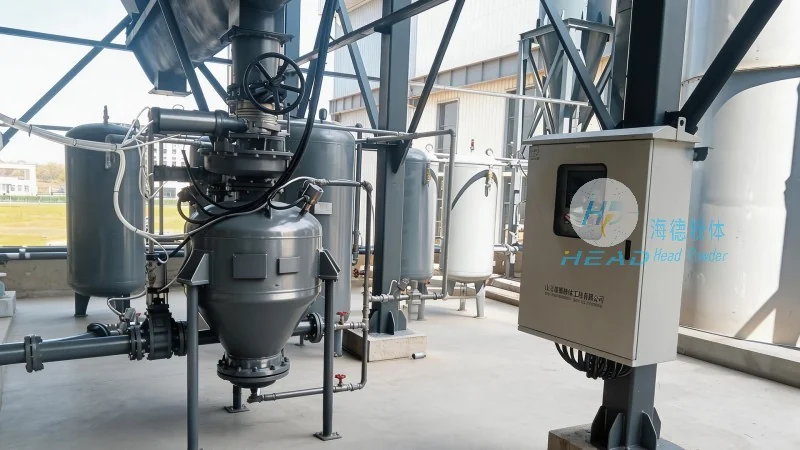
Key Components and Their Roles
The graphene material handling system typically consists of several key components, each playing a vital role in the overall operation. The primary components include an inlet hopper for material loading, a conveyor system (often using flexible or low-friction belts to prevent material degradation), a control panel with sensors and actuators, and an outlet mechanism for material discharge. Additionally, the system may incorporate dust collection and filtration systems to maintain a clean environment, as well as temperature and humidity control units to preserve the material's properties. Each component is carefully selected and calibrated to work in harmony, ensuring smooth and efficient material flow.
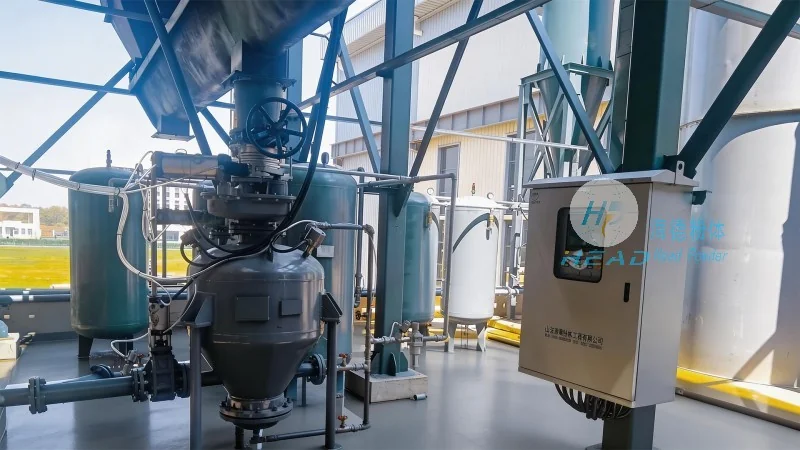
Operation Process: Step-by-Step Workflow
The operation of the graphene material handling system follows a systematic workflow to ensure optimal performance. The process begins with the loading of raw graphene material into the inlet hopper. The material is then fed into the conveyor system, where it is transported to the processing or storage area. During transit, the system may include intermediate processing steps such as sieving or mixing, depending on the application requirements. The control panel monitors the entire process, adjusting the speed and direction of the conveyor as needed to maintain consistent material flow. Once the material reaches the outlet, it is discharged into the next stage of production or storage. The system also includes safety features, such as emergency stop buttons and overload protection, to prevent accidents and equipment damage.
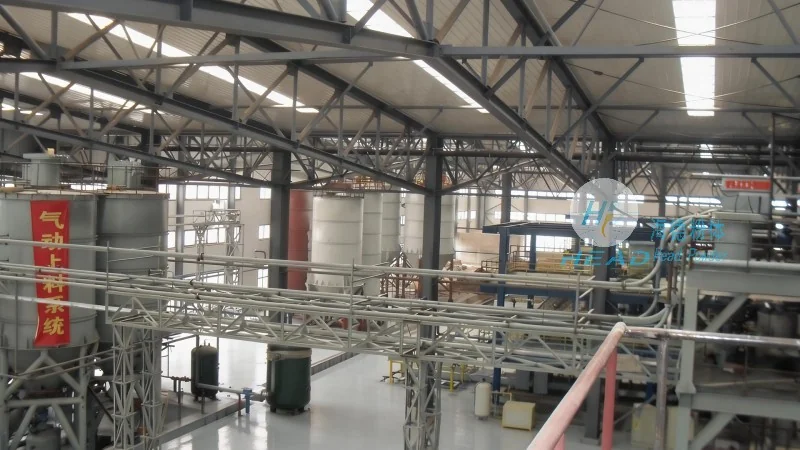
Working Principle: How the System Functions
The working principle of the graphene material handling system is based on mechanical and electronic integration. The mechanical part involves the movement of the conveyor and other components to transport the material. The electronic part includes sensors that detect the material level, position, and flow rate, while the control unit processes this data to adjust the system's operation. For example, a level sensor in the hopper sends signals to the control panel, which then regulates the feeding rate to prevent overfilling or underfilling. The system may also use feedback loops to maintain consistent material velocity, ensuring that the material is handled without excessive stress or friction. This combination of mechanical and electronic components allows the system to operate with high precision and reliability, even when handling delicate materials like graphene.
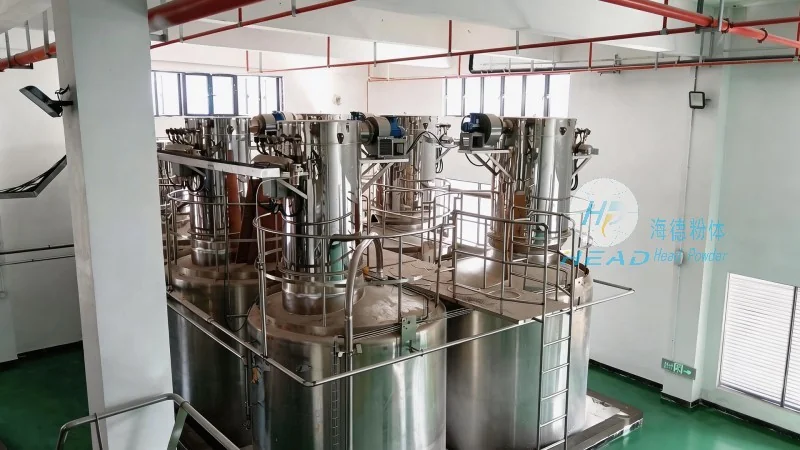
Company Profile: Shandong HeadPowder Engineering Co., Ltd.
Headpowder, the manufacturer of this advanced graphene material handling system, is a leading company in the field of powder and material processing equipment. Based in Shandong, China, Headpowder specializes in designing and manufacturing systems tailored to the unique needs of graphene and other high-value materials. The company's expertise lies in integrating cutting-edge technology with practical engineering solutions to deliver efficient, reliable, and cost-effective equipment. With a strong commitment to quality and customer satisfaction, Headpowder has established itself as a trusted partner for industries requiring precise material handling solutions. The company's products are widely used in research and production facilities worldwide, contributing to the advancement of graphene technology and its applications.