

Operation Process and Working Principle of Fiber Material Handling Equipment
Fiber material handling equipment is essential for the efficient and safe transportation of fibrous materials in industrial settings. These systems are designed to manage materials such as wood chips, pulp, and other fibrous substances, ensuring smooth material flow from intake to processing or storage. The proper operation of this equipment is critical for maintaining productivity and minimizing operational risks.
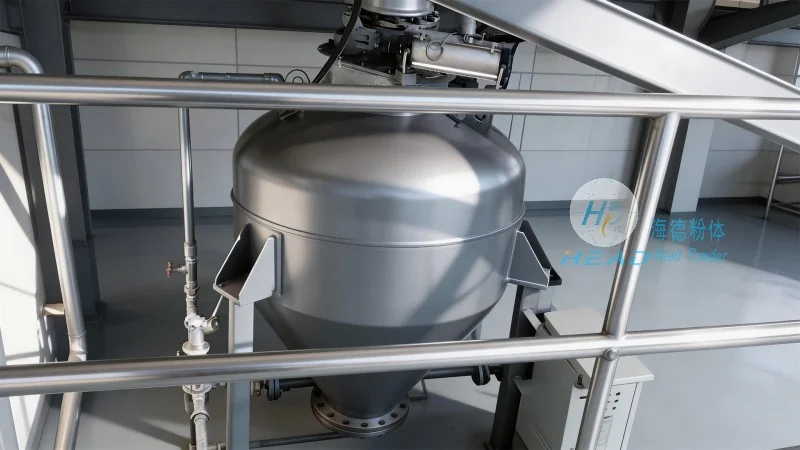
Introduction to Fiber Material Handling Equipment
Fiber material handling equipment encompasses a range of machinery and systems engineered to handle, transport, and process fibrous materials. Commonly used in industries like paper manufacturing, woodworking, and agricultural processing, these systems typically include conveyors, elevators, and storage units. The equipment is customized to accommodate the specific characteristics of the fibrous material, such as density, moisture content, and particle size, ensuring optimal performance.
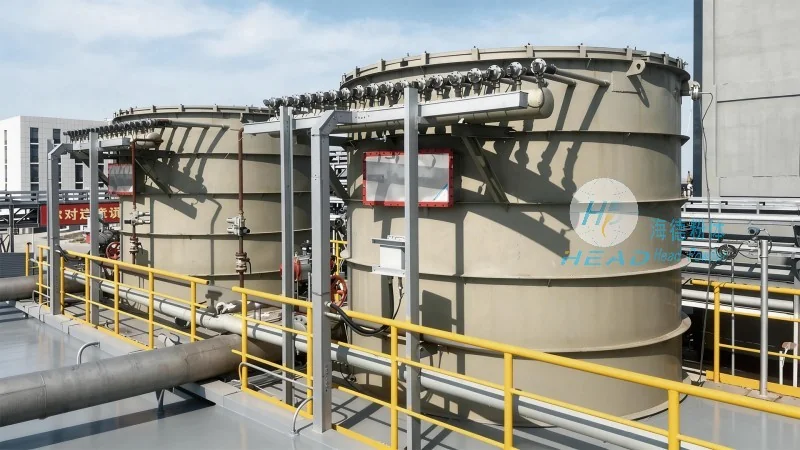
The Operational Process of Fiber Material Handling Equipment
The operation of fiber material handling equipment follows a systematic workflow. The process begins with the intake of raw fibrous material, which is fed into the system via a hopper or feeder. The material is then conveyed through a series of components, such as belt or screw conveyors, to the processing area. During this stage, the equipment may perform tasks like sorting, cleaning, or conditioning the material to prepare it for further processing. The material is subsequently transported to storage or processing units, where it is either stored for later use or transferred to the next stage of production. A control system monitors the flow and condition of the material, ensuring smooth operation and safety.
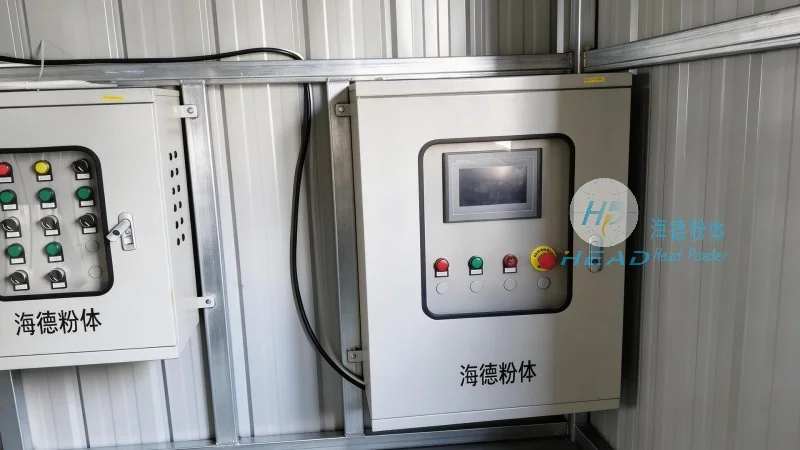
Working Principle of Fiber Material Handling Equipment
The working principle of fiber material handling equipment relies on mechanical and hydraulic systems to facilitate material movement. Key components include drive mechanisms (motors and gears) that provide power, and conveyor systems (belt or chain-driven) that use friction and gravity to transport material along a path. In some cases, screw conveyors or augers are employed to move material vertically or horizontally. Control systems regulate speed and direction, optimizing efficiency and reducing energy loss. The design is tailored to minimize friction and maximize throughput, ensuring reliable performance.
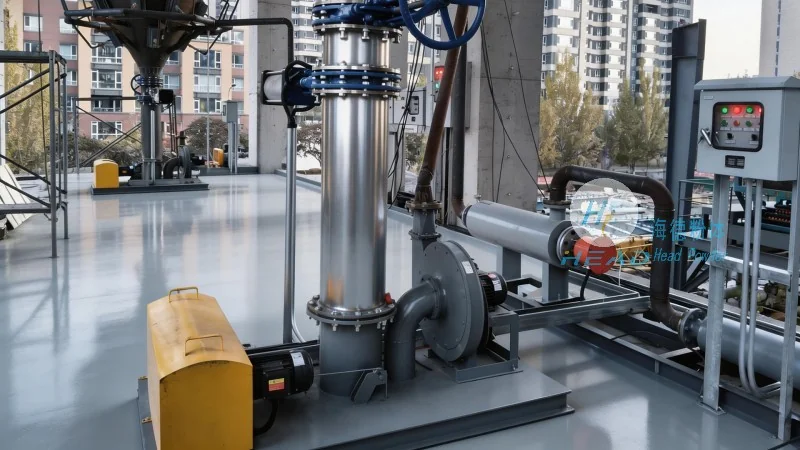
Company Profile: Shandong HeadPowder Engineering Co., Ltd.
HeadPowder, a leading provider of industrial solutions, specializes in the design and manufacturing of fiber material handling equipment. Headquartered in Shandong province, China, the company delivers high-quality, durable equipment tailored to client needs. With a focus on innovation and quality, HeadPowder’s products are recognized for their efficiency and adaptability across various applications. The company’s team collaborates closely with clients to understand specific requirements and provide customized solutions, ensuring operational success and client satisfaction.