

Operation Process and Working Principle of Ore Sand Powder Conveying System Equipment
Shandong HeadPowder Engineering Co., Ltd. specializes in the design, manufacturing, and supply of advanced ore sand powder conveying systems. These systems are engineered to efficiently transport bulk materials such as ore sand, powders, and granules over long distances with minimal energy consumption and high reliability. The equipment is widely used in mining, construction, and industrial processing applications where consistent and safe material handling is critical.
Key Components and Their Functions
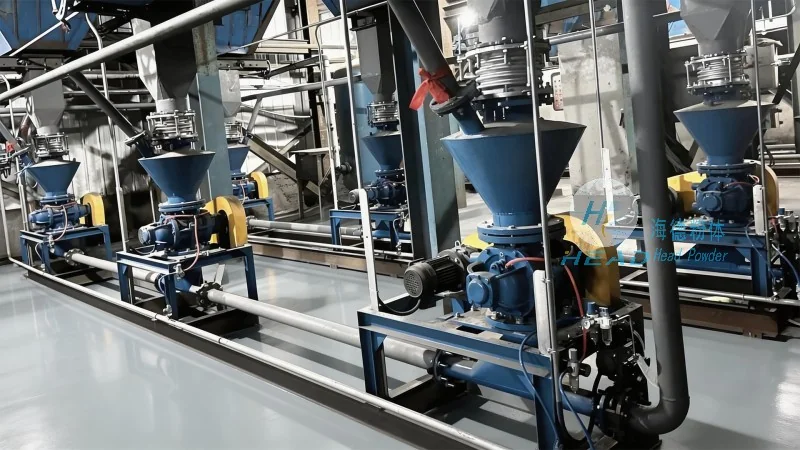
The ore sand powder conveying system typically consists of several core components that work in tandem to ensure smooth operation. The primary components include the material hopper, feeding mechanism, conveyor pipeline, drive system, and control unit. Each component plays a vital role in the overall performance of the system.
The material hopper is designed to store and feed the ore sand into the system. It is equipped with a level indicator and a discharge valve to regulate the flow of material. The feeding mechanism, often a screw feeder or a rotary valve, ensures a consistent and controlled feed rate into the conveyor pipeline. The conveyor pipeline, usually made of flexible or rigid hoses, transports the material from the hopper to the discharge point. The drive system, which may include a motor and a gearbox, provides the necessary power to move the material through the pipeline. The control unit monitors and adjusts the system parameters, such as speed and pressure, to maintain optimal performance.
Operation Process of the Conveying System
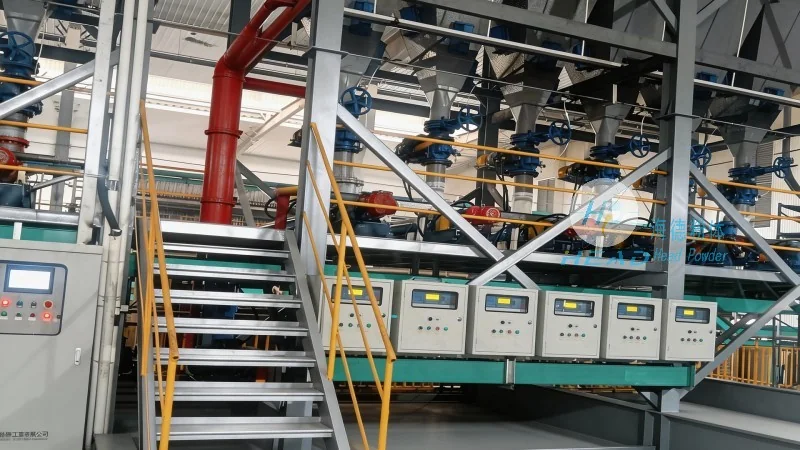
The operation of the ore sand powder conveying system begins with the loading of ore sand into the material hopper. The hopper level sensor detects the material level and signals the feeding mechanism to start. The screw feeder or rotary valve then delivers the ore sand into the conveyor pipeline at a controlled rate. The drive system activates, causing the material to move through the pipeline due to the internal pressure and the design of the pipeline. The material is transported to the discharge point, where it is collected in a storage bin or directly to the processing equipment. The control unit continuously monitors the system's performance, adjusting the feed rate or drive speed as needed to maintain a stable flow.
Working Principle of the System
The working principle of the ore sand powder conveying system is based on the principle of pneumatic or mechanical conveying. In pneumatic systems, compressed air is used to create a flow of air and material through the pipeline. The material is suspended in the air stream and transported to the discharge point. In mechanical systems, a rotating screw or other mechanism moves the material along the pipeline. Both systems rely on the consistent application of force and pressure to ensure efficient material transport.
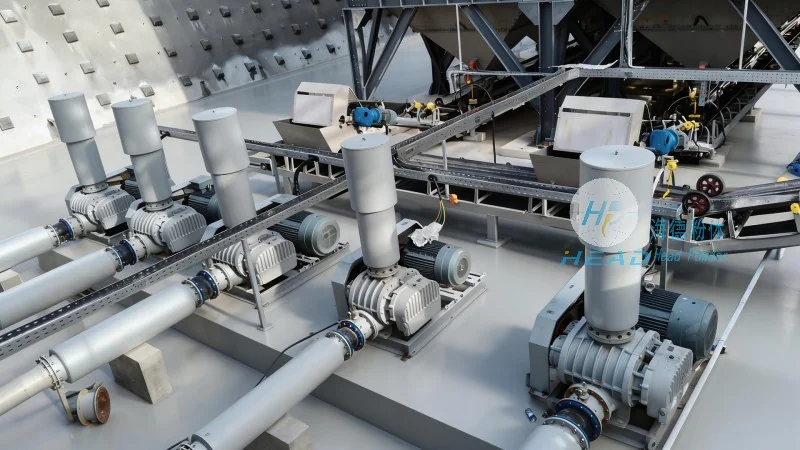
The system's design incorporates features to minimize material degradation and maintain product quality. For example, the pipeline is often made of corrosion-resistant materials to prevent contamination of the ore sand. The feeding mechanism is designed to prevent blockages and ensure a smooth flow. The control unit uses sensors to detect any abnormalities, such as blockages or pressure changes, and triggers an alarm or automatic shutdown to prevent damage to the equipment.
Advantages of the Ore Sand Powder Conveying System
Shandong HeadPowder Engineering Co., Ltd.'s ore sand powder conveying systems offer several advantages over traditional material handling methods. These include high efficiency, low energy consumption, and minimal labor requirements. The systems are also designed for easy maintenance and can be customized to meet specific application requirements. The use of advanced materials and design ensures long service life and reliable performance.