

Operation Process and Working Principle of Sodium Chloride Powder Conveying System Equipment
For industrial applications involving the handling and transportation of sodium chloride powder, the efficiency and reliability of the conveying system are critical. This article provides an in-depth look at the operation process and working principles of a specialized sodium chloride powder conveying system, designed and manufactured by Shandong HeadPowder Engineering Co., Ltd., a leading company in powder handling technology based in China.
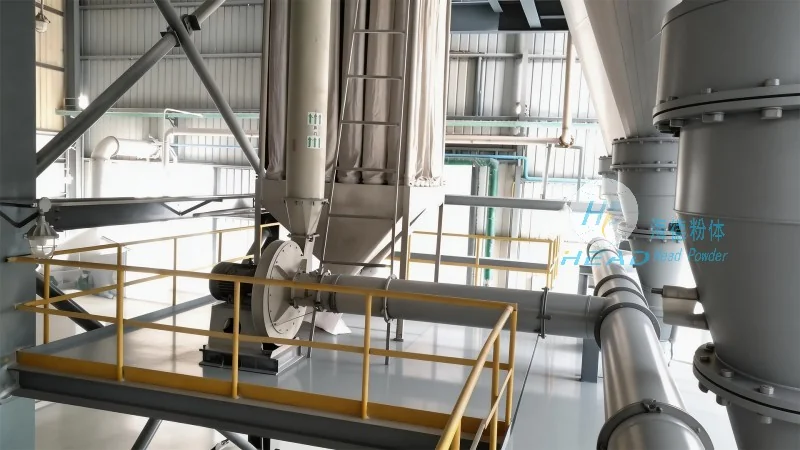
System Overview and Core Components
The sodium chloride powder conveying system is engineered to handle bulk sodium chloride efficiently, ensuring minimal product loss and consistent flow rates. The system typically comprises several key components, including a hopper for material storage, a feeding mechanism to control the flow of powder into the conveyor, a conveying unit (such as a screw conveyor or pneumatic system) to transport the material, and a discharge mechanism to deliver the powder to the target location. Each component is designed to work in harmony, optimizing the overall performance of the system.
Operation Process: Step-by-Step Execution
The operation of the sodium chloride powder conveying system follows a systematic sequence to ensure smooth and continuous material transport. The process begins with the loading of sodium chloride into the hopper. The feeding mechanism then regulates the flow of powder from the hopper into the conveying unit. As the powder moves through the conveyor, it is propelled toward the discharge point. The discharge mechanism then releases the powder into the receiving container or processing line. This sequential operation ensures that the system operates without interruptions, maintaining a steady flow of sodium chloride throughout the process.
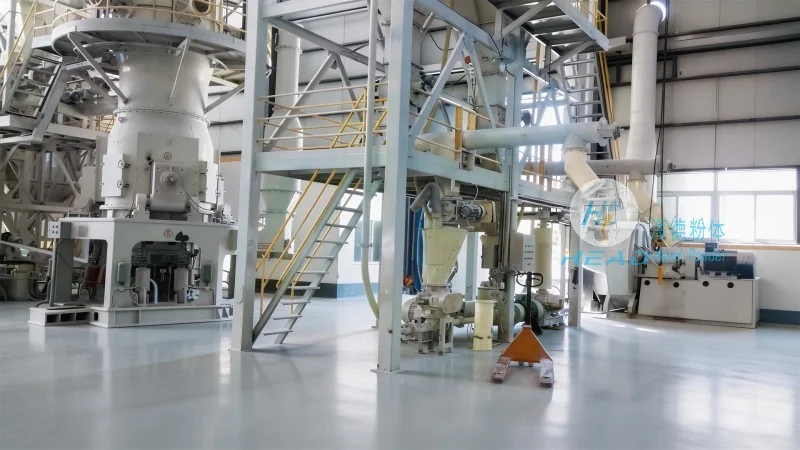
Working Principle: Mechanisms Behind the System
The working principle of the sodium chloride powder conveying system is based on mechanical or pneumatic forces, depending on the specific design. For mechanical systems, such as screw conveyors, the principle involves the rotation of a screw within a tube, which pushes the powder forward due to friction and the design of the screw threads. The screw's rotation creates a pressure gradient that moves the material along the conveyor. For pneumatic systems, the principle relies on the use of compressed air to create a flow of air that carries the powder particles through a pipeline. The air velocity and pressure are carefully controlled to ensure the powder is transported without degradation or segregation.

Key Advantages and Applications
The sodium chloride powder conveying system offers several advantages, including high efficiency, low maintenance requirements, and the ability to handle large volumes of material. These systems are widely used in various industries, including chemical manufacturing, food processing, and pharmaceuticals, where the consistent and safe transport of sodium chloride is essential. The system's design allows for customization to meet specific operational needs, such as varying flow rates or handling different particle sizes.
Maintenance and Operational Considerations
To ensure the long-term performance and reliability of the sodium chloride powder conveying system, regular maintenance is essential. This includes checking the condition of the conveyor components, ensuring proper lubrication of moving parts, and monitoring the flow rate and pressure within the system. Additionally, operators should be trained to recognize signs of system wear or malfunction, such as increased noise or reduced flow, and take appropriate corrective actions. Proper maintenance not only extends the lifespan of the equipment but also ensures consistent performance and safety in the handling of sodium chloride.