

Operation Process and Working Principle of Ammonia Fertilizer Powder Conveying System Equipment
Ammonia fertilizer, as a crucial nitrogen source in modern agriculture, requires efficient and reliable powder conveying systems to ensure safe and effective transportation. The equipment developed by Shandong HeadPowder Engineering Co., Ltd. (referred to as HeadPowder) is designed to meet the stringent demands of ammonia fertilizer handling, offering a robust solution for industries involved in fertilizer production and distribution. This article delves into the operation process and working principle of the ammonia fertilizer powder conveying system, highlighting the key components, operational steps, and technical advancements that enable seamless material transfer.
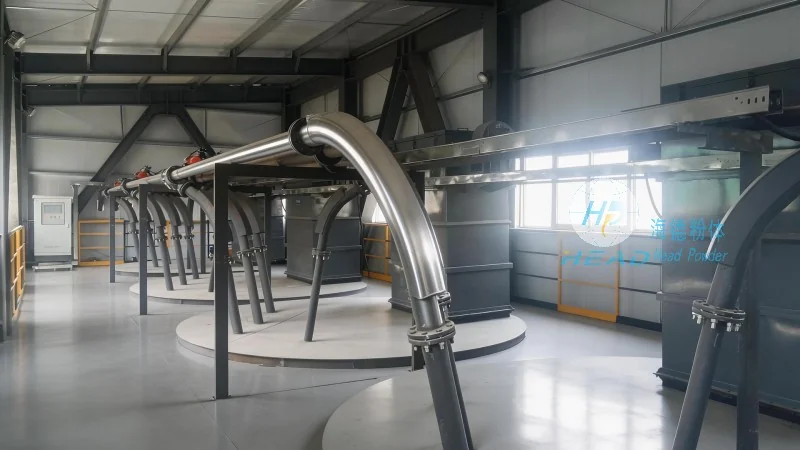
Company Overview: Shandong HeadPowder Engineering Co., Ltd.
HeadPowder, headquartered in Shandong, China, is a leading manufacturer specializing in engineering solutions for powder handling and conveying systems. With years of experience in the industry, the company has established itself as a trusted partner for clients seeking high-performance equipment tailored to their specific needs. The company's commitment to quality, innovation, and customer satisfaction is reflected in its state-of-the-art products and comprehensive technical support. By leveraging advanced manufacturing techniques and rigorous quality control measures, HeadPowder ensures that its ammonia fertilizer powder conveying systems deliver optimal performance and durability.
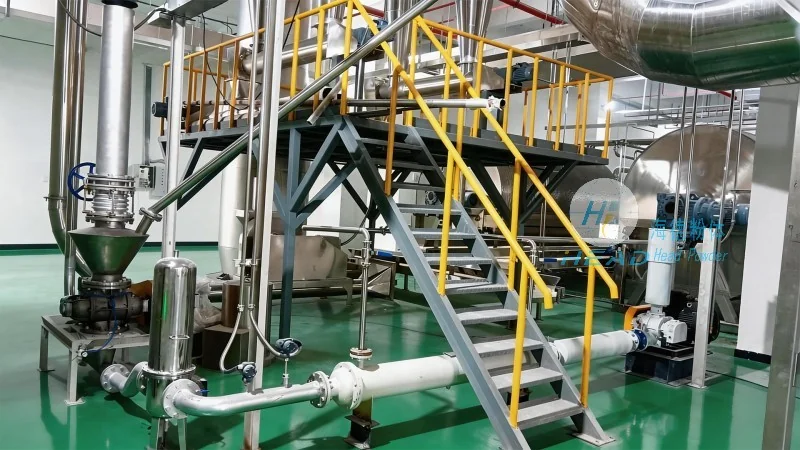
Key Components of the Ammonia Fertilizer Powder Conveying System
The ammonia fertilizer powder conveying system consists of several critical components that work in tandem to facilitate efficient material transfer. The primary components include a hopper for material storage, a feeder to control the flow rate, a conveying mechanism (such as a screw conveyor or pneumatic system), and a discharge unit for delivering the fertilizer to the next stage of processing or packaging. Each component is designed to withstand the corrosive and abrasive nature of ammonia fertilizer, ensuring long-term reliability and minimal maintenance. The hopper is typically made of corrosion-resistant materials like stainless steel or lined with protective coatings to prevent material degradation and equipment damage. The feeder regulates the flow of powder, preventing overloading or underflow, which could lead to system inefficiencies or safety hazards. The conveying mechanism, whether mechanical or pneumatic, is engineered to handle the specific characteristics of ammonia fertilizer, such as its fine particle size and potential for caking or agglomeration.
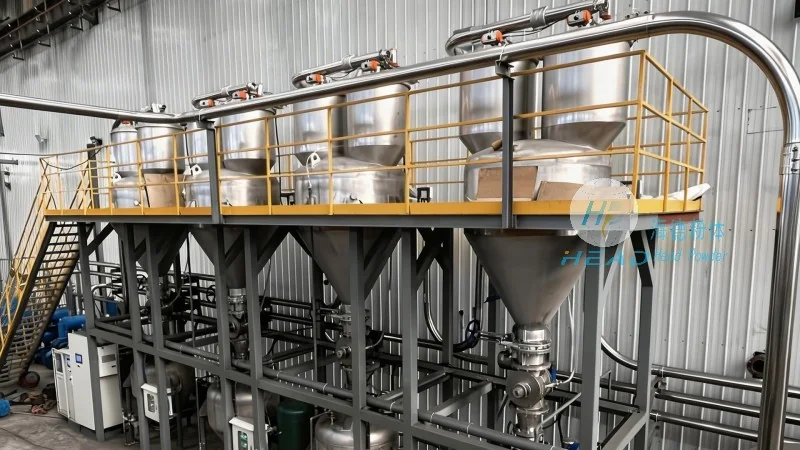
Working Principle of the Ammonia Fertilizer Powder Conveying System
The working principle of the ammonia fertilizer powder conveying system is based on the controlled movement of powder from the storage hopper to the discharge point. The process begins with the material being loaded into the hopper, where it is held in place by gravity. The feeder then regulates the flow of powder into the conveying mechanism. For mechanical conveyors, such as screw conveyors, the rotating screw pushes the powder forward through the conveyor tube. The speed and pitch of the screw are adjusted to control the flow rate and prevent material blockages. In pneumatic conveying systems, the powder is transported using compressed air, which creates a flow of air and powder mixture through the pipeline. The air pressure and flow rate are carefully managed to ensure efficient and safe transport, minimizing the risk of dust emissions and material loss. The discharge unit at the end of the system collects the conveyed powder and directs it to the next processing stage, such as packaging or blending. The entire system operates under controlled conditions, with sensors and control panels monitoring parameters like pressure, flow rate, and temperature to maintain optimal performance and safety.
Operation Process of the Ammonia Fertilizer Powder Conveying System
The operation process of the ammonia fertilizer powder conveying system involves several sequential steps to ensure smooth and continuous material transfer. The first step is the preparation phase, where the system is checked for proper functioning, including inspecting the hopper, feeder, and conveying mechanism for any signs of wear or damage. The hopper is then filled with ammonia fertilizer, and the feeder is adjusted to the desired flow rate based on the production requirements. The system is then started, with the conveying mechanism activating to begin the transfer process. During operation, the system is monitored continuously, with control panels providing real-time data on flow rates, pressure, and temperature. Any adjustments to the flow rate or air pressure are made as needed to maintain optimal performance. The system continues to operate until the hopper is emptied or the production demand changes, at which point the feeder is adjusted or the system is stopped for maintenance. The discharge unit collects the conveyed powder and prepares it for the next stage of processing, ensuring a seamless transition between different production stages. The entire operation process is designed to be efficient, reliable, and safe, minimizing downtime and maximizing productivity.
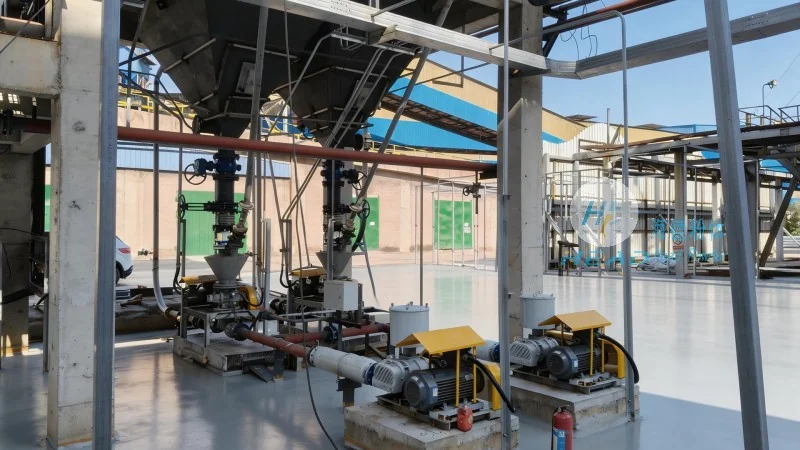
Technical Advancements and Safety Features
HeadPowder's ammonia fertilizer powder conveying systems incorporate several technical advancements and safety features to enhance performance and protect personnel and equipment. One key advancement is the use of corrosion-resistant materials, such as stainless steel and special coatings, to withstand the harsh environment of ammonia fertilizer. This ensures the longevity of the equipment and reduces maintenance costs. Another advancement is the integration of advanced control systems, which allow for precise regulation of flow rates, pressure, and temperature. These systems use sensors and feedback mechanisms to adjust the operation in real-time, preventing overloading or underflow and ensuring consistent performance. Safety features include dust suppression systems, which minimize the release of fine particles into the air, and emergency stop mechanisms that can quickly shut down the system in case of an anomaly. Additionally, the systems are designed with access panels and safety guards to prevent accidental contact with moving parts, ensuring a safe working environment. These technical advancements and safety features make HeadPowder's ammonia fertilizer powder conveying systems a reliable and efficient solution for industries requiring high-performance powder handling equipment.