

Operation Process and Working Principle of Gray Calcium Powder Conveying System Equipment
Gray calcium powder conveying system equipment is a specialized industrial solution designed to handle the efficient and reliable transportation of gray calcium powder, a key raw material in various manufacturing processes. As a leading provider in the field, Shandong HeadPowder Engineering Co., Ltd. specializes in developing and manufacturing such systems that ensure optimal performance, safety, and durability. This article delves into the operational process and working principles of these systems, highlighting their critical role in modern industrial applications.
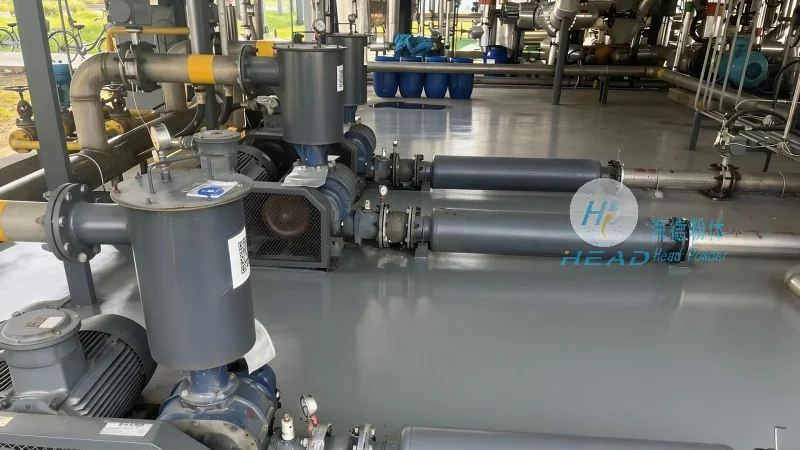
Key Components of the Conveying System
The gray calcium powder conveying system typically consists of several core components that work in tandem to achieve seamless material handling. These include feed hoppers, conveyor belts or pipes, pneumatic or mechanical conveying mechanisms, control panels, and dust collection systems. Each component plays a vital role in the overall functionality of the system. The feed hopper is responsible for storing and feeding the gray calcium powder into the system, ensuring a consistent supply. The conveyor mechanism, whether pneumatic (using air pressure) or mechanical (using belts or screws), transports the powder from the hopper to the desired destination. Control panels allow operators to monitor and adjust the system's parameters, such as flow rate and pressure, to maintain optimal performance. Dust collection systems are essential for maintaining a clean and safe working environment by capturing and filtering airborne particles.
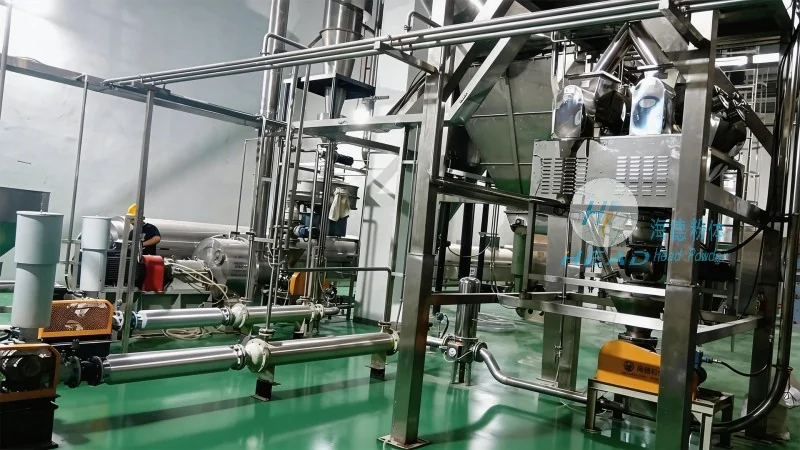
Operation Process: Step-by-Step Overview
The operation of the gray calcium powder conveying system follows a systematic process that ensures efficient material movement. The process begins with the loading of gray calcium powder into the feed hopper. The hopper is designed to hold a sufficient quantity of material to maintain continuous operation, minimizing downtime. Once the powder is loaded, the system's control panel is activated, initiating the conveyor mechanism. In a pneumatic system, compressed air is used to create a flow that carries the powder through the conveying pipes. The air pressure and velocity are carefully controlled to prevent material degradation or blockages. Mechanical systems, such as screw conveyors, use rotating screws to push the powder forward, providing a more direct and reliable transport method. The powder then reaches the discharge point, where it is collected in a storage tank or directly fed into the next production stage. Throughout the process, sensors and monitoring devices track key parameters, such as pressure, flow rate, and temperature, to detect any anomalies and trigger appropriate adjustments.
Working Principle: How the System Transfers Material
The working principle of the gray calcium powder conveying system is based on the principles of fluidization and pneumatic transport. In pneumatic systems, the gray calcium powder is suspended in a stream of air, creating a fluidized state that allows it to be moved through the system with minimal friction. The air pressure is maintained at a level sufficient to overcome the gravitational force and any resistance from the system's components. This method is particularly effective for handling fine powders like gray calcium, as it prevents caking and ensures uniform flow. Mechanical systems, on the other hand, rely on the mechanical action of rotating components to move the powder. Screw conveyors, for example, use a helical screw to push the powder forward, similar to how a screw moves through a substance. This method is often preferred for bulkier or more cohesive materials, as it provides better control over the material's movement and reduces the risk of blockages. Both systems are designed to maintain the integrity of the gray calcium powder, ensuring that it remains in a consistent state throughout the conveying process.
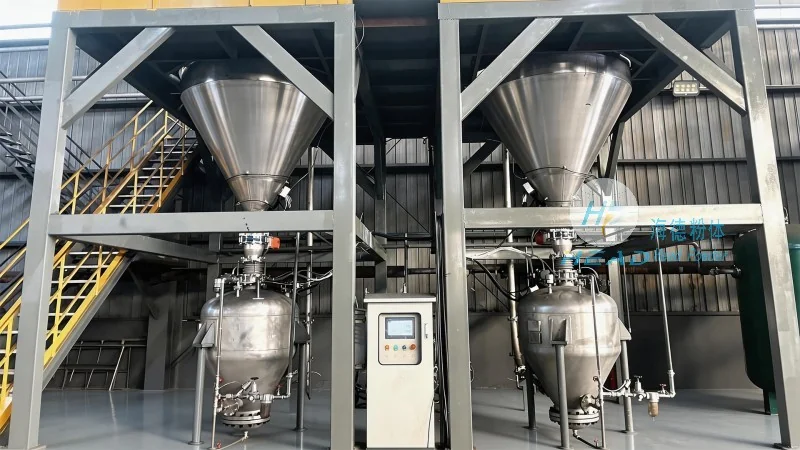
Advantages and Applications
Gray calcium powder conveying systems offer several advantages that make them indispensable in industrial settings. These systems are highly efficient, capable of transporting large quantities of material over long distances with minimal energy consumption. They are also highly flexible, as they can be adapted to various production requirements, including changes in material flow rates or destination points. The systems are designed to be safe and reliable, with features such as dust collection and emergency stop mechanisms that protect both the material and the operators. The applications of these systems are widespread, including in the manufacturing of building materials, plastics, and chemicals, where gray calcium powder is used as a filler or additive. By ensuring consistent and efficient material handling, these systems contribute to improved productivity and reduced operational costs for manufacturers.