

Operation Process and Working Principle of Soybean Meal Powder Conveying System Equipment
Shandong HeadPowder Engineering Co., Ltd., a professional manufacturer based in Shandong, China, specializes in the design, development, and production of advanced powder conveying systems tailored for industries such as feed processing, food, and chemical manufacturing. The company's core product, the soybean meal powder conveying system, is engineered to handle the unique challenges of transporting bulk soybean meal efficiently and reliably. This article provides a detailed overview of the operational process and working principles of this equipment, highlighting its key components, operational workflow, and technical advantages.
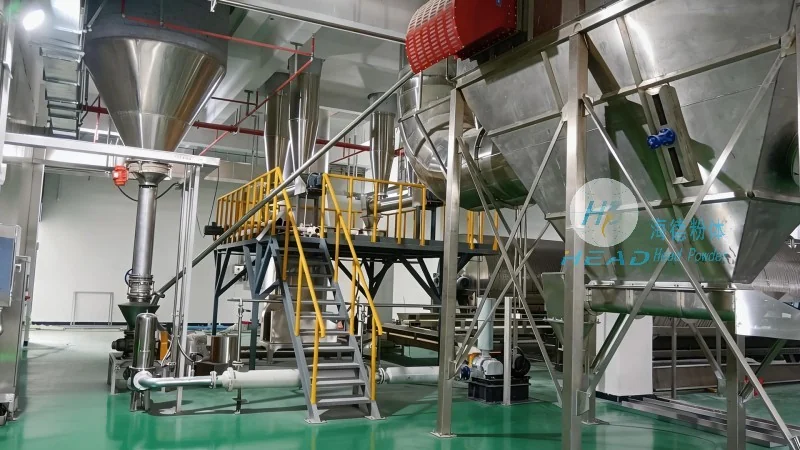
Company Profile and Product Overview
HeadPowder, as the company's official designation, operates from its headquarters in Shandong, China. The soybean meal powder conveying system is a critical piece of machinery for facilities that process soybeans into meal, a key ingredient in animal feed and other industrial applications. The system is designed to ensure seamless material handling, minimizing downtime and maximizing productivity in production lines. By integrating advanced engineering and robust construction, the system meets the stringent requirements of modern industrial operations, offering durability and efficiency.
Key Components of the Soybean Meal Powder Conveying System
The soybean meal powder conveying system consists of several interconnected components that work in harmony to transport bulk material. The primary components include a hopper for material storage, a conveyor mechanism (such as a screw conveyor or pneumatic conveyor), a control panel for system management, and a discharge outlet for material delivery. Each component is engineered to handle the specific properties of soybean meal, including its particle size, moisture content, and flow characteristics. The hopper is typically equipped with a feeding device to regulate the flow of material into the conveyor, ensuring consistent and controlled feeding. The conveyor itself is designed to minimize material degradation and prevent blockages, which are common issues in powder handling systems. The control panel allows operators to monitor and adjust the system's parameters, such as speed and pressure, to optimize performance and prevent operational issues.
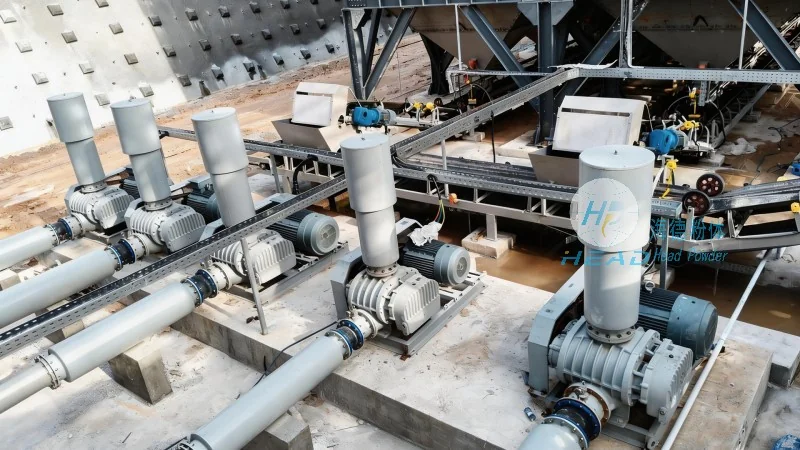
Operational Process of the Soybean Meal Powder Conveying System
The operation of the soybean meal powder conveying system follows a systematic workflow that ensures efficient material transport from the storage hopper to the discharge point. The process begins with the loading of soybean meal into the hopper. The feeding device then regulates the flow of material into the conveyor, preventing overloading and ensuring a steady supply. The conveyor mechanism then transports the material through the system, using either mechanical or pneumatic force to move the powder. The control panel monitors the system's performance, adjusting parameters as needed to maintain optimal operation. As the material reaches the discharge outlet, it is delivered to the next stage of the production process, such as mixing or packaging. The entire process is designed to be continuous and automated, reducing the need for manual intervention and minimizing the risk of material loss or contamination.
Working Principle of the Soybean Meal Powder Conveying System
The working principle of the soybean meal powder conveying system is based on the principles of fluidization and mechanical transport. In pneumatic conveying systems, for example, air is used to create a fluidized bed of material, allowing it to be transported through a pipeline. The system uses a combination of pressure and vacuum to move the material, ensuring efficient and reliable transport. The screw conveyor mechanism, on the other hand, uses rotating screws to push the material forward, providing a positive displacement method that is suitable for handling dry and free-flowing powders like soybean meal. The control system plays a crucial role in maintaining the system's stability, by monitoring pressure, flow rate, and temperature, and adjusting the system's parameters to prevent blockages or other operational issues. The system's design also incorporates features to prevent material buildup and ensure consistent performance, such as cleaning mechanisms and material flow indicators.
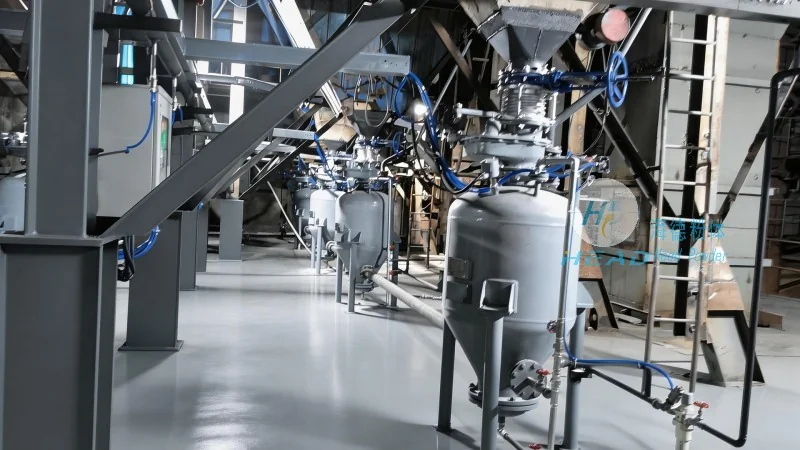
Technical Advantages and Applications
The soybean meal powder conveying system offered by HeadPowder Engineering Co., Ltd. offers several technical advantages that make it an ideal solution for industrial applications. The system's robust construction ensures long-term durability, even in harsh operating conditions. The advanced control system provides precise monitoring and adjustment capabilities, enhancing operational efficiency and reducing downtime. The system's design also minimizes material degradation, preserving the quality of soybean meal during transport. These advantages make the system suitable for a wide range of applications, including feed manufacturing, food processing, and chemical production. The system's flexibility allows it to be integrated into existing production lines, or as a standalone unit for new installations, providing a scalable solution for various production needs.
Conclusion
In conclusion, the soybean meal powder conveying system is a sophisticated piece of equipment designed to handle the unique challenges of transporting bulk soybean meal. The system's operational process and working principles are engineered to ensure efficient, reliable, and safe material handling. With its robust construction, advanced control system, and technical advantages, the system provides a superior solution for industries that require high-performance powder conveying equipment. HeadPowder Engineering Co., Ltd. continues to innovate and improve its products, ensuring that customers receive the best possible solution for their material handling needs.